
The most common redcat gen 8 problems involve steering servo failure, stripped portal gear teeth, and binding in the drivetrain. These issues often arise from the added stress of oversized tires or high-torque demands on the plastic internals of the portal axles. If your truck is under warranty, contact the manufacturer directly to request replacement parts for damaged components.
Causes of common Redcat Gen 8 problems
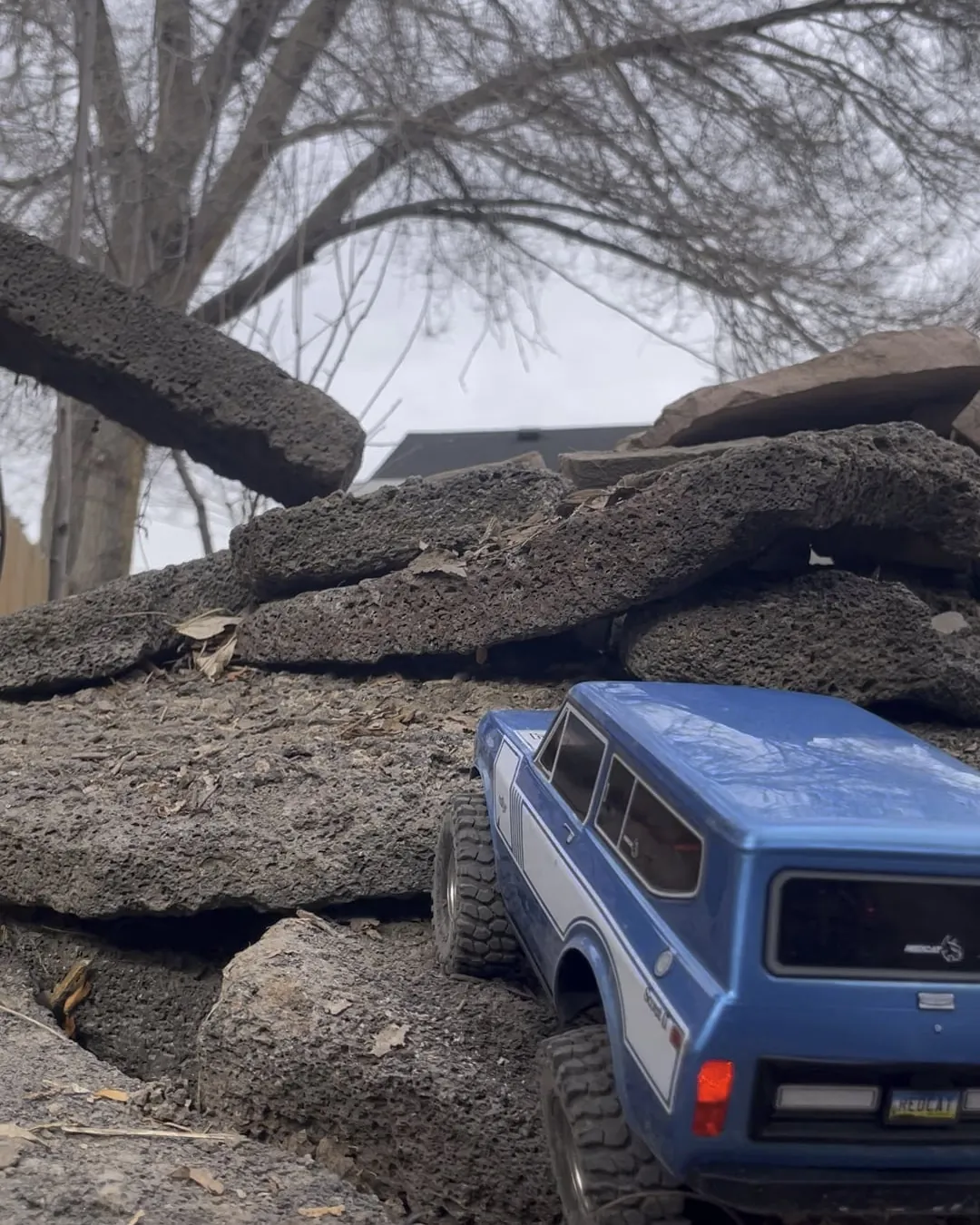
Most technical issues with this crawler stem from the high-torque demands placed on its drivetrain components during heavy crawling. When you push the vehicle over large rocks or steep inclines, the plastic gears inside the portal housings face significant resistance. If the wheels become wedged between obstacles while you continue to apply throttle, the torque has nowhere to go but into the gear teeth, which can lead to stripping or complete failure.
Another frequent cause is the stock steering servo. Many users find the factory-installed servo lacks the necessary strength to turn the wheels effectively when the truck is weighed down or stuck in deep mud. This forces the servo motor to work harder than it was designed to, leading to internal heat buildup and eventual burnout. You can find the Redcat Racing official support resources for troubleshooting specific component failures and verifying warranty coverage for your specific model year.
Finally, binding in the drivetrain often occurs if the link geometry isn’t adjusted correctly. If the suspension links are too tight or misaligned, the drive shafts may operate at extreme angles, causing friction that slows the motor and wears down the plastic drive cups. Regularly checking your suspension for binding ensures the motor doesn’t overheat while trying to move the wheels.
Replace the steering servo
If you notice the front wheels struggling to turn under load, upgrading your steering servo is the most effective fix. The stock servo is often the first part to struggle, especially if you have installed heavier brass wheel weights or larger tires. For reliable performance, look for a high-torque, waterproof metal-gear servo with at least 25kg of torque.
Before installing a new servo, ensure your radio transmitter settings are correct. Check the steering end-points on your controller; if they’re set too high, the servo will push against the steering knuckles even when the wheels are fully turned. This constant pressure burns out the internal motor in minutes. You should adjust the end-points until the wheels reach their maximum turn without the servo buzzing or straining.
Listen for a high-pitched whine when the wheels hit their limit. If you hear it, dial back the end-point percentage on your transmitter by five percent increments until the noise disappears. Ignoring this buzzing sound causes the internal gears to strip or the motor to overheat, effectively killing a new unit in a single afternoon.
If you aren’t comfortable soldering or modifying the chassis tray, ask a local hobby shop technician to assist with the installation. Using a BEC is often required when upgrading to a high-power servo to provide enough voltage to the receiver. Without a stable power supply, the steering may stutter or cause the entire truck to brown out when you try to turn. A dedicated 6V or 7.4V BEC ensures the servo receives the consistent amperage needed for full-lock maneuvers.
Upgrade to metal portal gears
The plastic portal gears are a known weak point when running the truck on high-grip surfaces or with high-traction tires. Replacing these with hardened steel gear sets provides a permanent solution to the risk of stripping teeth during intense crawling sessions. This fix is essential for anyone who frequently drives on rocky terrain where the wheels are likely to get jammed.
When you open the portal housings to swap the gears, inspect the bearings for any signs of grit or rust. Cleaning and re-greasing these bearings with marine-grade waterproof grease will prevent the new metal gears from wearing down prematurely. If you see any metal shavings inside the housing, ensure you clean the entire area thoroughly before installing the new parts.
Metal gears are much heavier and harder than the stock plastic ones, which means they don’t have a “fail-safe” break point. If the drivetrain jams, the force might now transfer to the axle shafts or the transmission gears. If you’re a beginner, perform this upgrade only after you have become familiar with the truck’s limits, as it shifts the mechanical stress to more expensive internal components.
If you hear a grinding noise immediately after installation, stop the motor. You likely have a tight mesh caused by debris trapped behind the gear. Back the screws out slightly to check for smooth rotation. If the gears still bind, disassemble the housing to verify that the shims are seated perfectly flat. A slight misalignment here will destroy your new steel set in under ten minutes of runtime.
Align the suspension links
Binding in the drivetrain is often caused by incorrect suspension geometry, which puts unnecessary strain on the drive shafts. To fix this, place the truck on a flat surface and check that the axle housings are centered and parallel to the chassis. If one side of the axle is pulled forward or backward, the drive shafts will bind at the joints, causing the motor to draw extra current.
Adjust the suspension links by loosening the set screws and rotating the collars. You want the axle to sit at a neutral angle where the drive shafts spin freely without wobbling or hitting the sides of the transmission output cups. If you have installed lift kits or different shocks, you must re-center the axles, as these changes often pull the driveline out of alignment.
Use a digital caliper to measure the distance between the chassis rail and the axle housing on both sides. If the variance exceeds two millimeters, the axle is skewed. A skewed axle forces the universal joint to operate at an extreme angle, which accelerates wear on the pins.
This fix is best for those who notice the truck pulsing or slowing down at specific points in the suspension travel. If the drive shafts still show signs of wear after alignment, they may have been bent by previous impacts.
In that case, replacing the drive shafts with steel telescoping versions will solve the issue, as they’re less prone to bending than the stock plastic or light-alloy shafts. If you feel resistance while rotating the wheels by hand, the links remain too tight or misaligned.
Avoiding common maintenance mistakes
Over-tightening wheel nuts causes the wheel bearings to bind and overheat, which slows down the motor.
Using non-waterproof grease in the portal axles washes away during water crossings, leaving the gears unprotected against rust. If you frequently drive through mud or streams, switch to a marine-grade lithium grease. Standard automotive grease emulsifies when wet, turning into a gritty paste that accelerates wear.
Ignoring a “clicking” sound from the transmission leads to a total gear failure, which costs more to repair than a single gear. That noise is your early warning for a chipped tooth. Replace the damaged gear immediately to save the entire internal assembly.
Pushing the truck to full throttle when it’s stuck in a crevice strips the gear teeth instantly. If the wheels stop spinning, stop the motor. Apply steady, pulsing power instead.
Maintaining your crawler’s health
To keep your truck running smoothly, follow the table below to adjust your maintenance routine based on your driving habits.
| If you’re doing this | Do this instead | Why |
|---|---|---|
| Driving in deep mud | Clean and dry after every run | Moisture causes internal corrosion |
| Installing larger tires | Upgrade to metal portal gears | Stock gears can’t handle the load |
| Hearing a buzzing sound | Lower your steering end-points | The servo is straining against the frame |
| Driving on jagged rocks | Check link alignment weekly | Misalignment causes drivetrain binding |
Most enthusiasts make the mistake of ignoring minor drivetrain friction until a motor burns out. If your truck feels sluggish on flat ground, check your gear mesh immediately. A gap as thin as a sheet of paper is ideal; any tighter, and you’ll strip your spur gear within minutes.
If you submerge your electronics, don’t wait for them to dry naturally. Use a can of compressed air to force water out of the receiver box and motor housing. Trapped moisture inside a sealed enclosure creates a greenhouse effect that destroys circuit boards. If your steering feels inconsistent, check your servo horn screw first. If it’s loose, the spline will round out, costing you a full replacement part.
Frequently asked questions
How long does a stock servo usually last?
The stock servo typically lasts 3 to 6 months of moderate use. This estimate assumes a mix of trail driving and crawling, though frequent water exposure or pushing against rocks can cause the internal gears to fail much sooner. You can identify failure if the steering feels lazy, jitters without input, or makes a loud buzzing sound on flat surfaces.
Is it safe to drive the truck in water?
It’s safe to drive in shallow water only if you perform maintenance immediately afterward to prevent rust. The electronics are advertised as water-resistant, but the metal bearings inside the portals and transmission will corrode if left wet. After every water run, use a compressed air can to blow out the housings and apply a light coating of waterproof silicone-based grease to the moving parts to displace moisture.
How do I know if my portal gears are stripped?
You’ll know the gears are stripped if the motor spins freely but the wheels don’t turn, or if you hear a loud clicking sound coming from the axle housing. If you notice this, stop driving immediately to prevent the broken plastic teeth from damaging the other internal parts. Open the portal housing to inspect the teeth; if any are missing or flattened, you must replace the entire gear set.
Why does my motor get hot during crawling?
The motor gets hot because it’s working harder than it should to overcome friction or excessive resistance in the drivetrain. This usually happens if your suspension links are misaligned or if your gear mesh is too tight. Check that the wheels spin easily by hand when the truck is off; if you feel significant resistance, you must realign the links or loosen the gear mesh to prevent permanent motor damage.
How often should I grease the drivetrain?
You should grease the internal gears every 10 to 15 hours of run time to ensure they remain lubricated and protected. If you drive in dusty or sandy conditions, perform this check more often, as grit can enter the housing and act like sandpaper on the gears. Use a marine-grade grease that’s safe for plastic, as some petroleum-based lubricants can cause plastic parts to swell or become brittle over time.
Conclusion
Keeping your crawler in top shape doesn’t have to be a headache. Once you’ve swapped out those worn-out plastic gears for metal upgrades, you’ll find the truck handles much better on the trail. Don’t hesitate to join a local hobby group online; you’ll find plenty of friendly advice there for your next build.