
The most common reason for redcat racing troubleshooting is a low or poorly connected battery, which prevents your vehicle from responding to the transmitter. When your RC car stops moving or becomes unresponsive, you should first check the battery charge level and ensure the connectors are pushed together completely. Most power issues stem from a loose connection between the battery pack and the electronic speed controller (ESC) that occurs during high-speed driving.
Troubleshooting common Redcat Racing performance issues
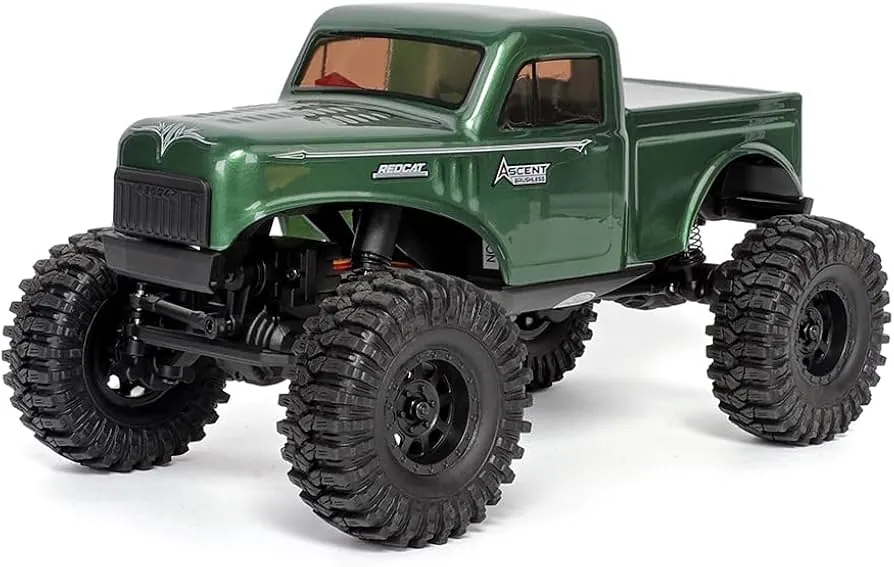
When your car doesn’t behave as expected, the problem is usually electrical or related to signal interference. You should look for basic signs of failure, such as blinking lights on the ESC or a sudden lack of steering response. If the wheels turn but the car doesn’t move, the issue likely sits in the drivetrain or the motor assembly.
A frequent cause of erratic driving is signal interference between your transmitter and the receiver. If you operate your car near other remote-controlled models, they might be on the same frequency, causing your vehicle to twitch or ignore your inputs. You can often fix this by rebinding the transmitter to the receiver according to the manual provided with your specific model.
If the car twitches only when you’re at a distance, you’re likely facing a voltage drop. Check your battery’s voltage under load rather than at rest. A battery that shows a low reading while sitting may plummet significantly when you hit the throttle, causing the receiver to reset. If your lights flicker during acceleration, replace the battery pack immediately.
Another common issue is a stripped spur gear or a loose pinion gear. If you hear a loud grinding noise when you pull the throttle, but the car barely moves, the gears are likely not meshing correctly.
You should inspect the gear cover for debris, as small rocks or dirt can jam the gears and prevent the motor from spinning the wheels. If the gear teeth show sharp, pointed edges rather than flat tops, the gears are worn and must be replaced.
Resetting your electronic speed controller
If your vehicle jerks forward or fails to reach top speed, your electronic speed controller might require a calibration reset. This process ensures the receiver knows the exact neutral, full-throttle, and full-brake positions of your transmitter trigger. If you have recently changed your transmitter settings or swapped the battery type, the ESC may have lost its programmed parameters.
To perform a calibration, turn on your transmitter and set the throttle trim to neutral. Hold the set button on your ESC while turning the power on, then release the button once the status light begins to flash.
Follow the light patterns to set the throttle endpoint by pulling the trigger fully, then pushing it to the full brake position. If the light blinks in a pattern that indicates an error, turn the unit off and wait thirty seconds before trying again.
This fix is intended for users who are comfortable adjusting electronic settings. If you notice smoke or a burning smell coming from the ESC, stop immediately and don’t attempt further calibration, as this indicates a hardware failure. If your model remains unresponsive after a successful calibration, the internal circuit board may have reached its end of life. In these cases, you should reach out to an authorized hobby shop technician for professional testing.
Inspecting the steering and drivetrain
When your car refuses to turn or steers only in one direction, the issue is typically a damaged servo or a loose steering link. You should lift the car off the ground and manually move the wheels to feel for resistance. If the wheels feel stiff or don’t move freely, remove any hair or grass wrapped around the axles, as this creates excessive drag on the motor.
The steering servo is a delicate component that can strip its internal gears during a hard crash. If you hear a buzzing sound from the servo but the wheels don’t move, the internal gears have likely failed. You can test this by disconnecting the steering link from the servo horn and operating the steering. If the horn moves freely but the wheels stay stuck, the problem is in your steering linkage or the front C-hubs rather than the electronics.
If you find that the steering is loose or sloppy, check the ball joints and pivot points for wear. Over time, these plastic parts wear down and create “play” in the steering, making it difficult to drive in a straight line. Replacing these small plastic ends is a simple way to restore precise handling. If you aren’t confident in your ability to reassemble the steering geometry, consult your user manual for a diagram of the factory setup.
Improving motor and battery performance
When your car runs for only a few minutes before slowing down, your battery is likely failing to hold a charge or the motor is overheating. You should check the temperature of the motor by touching the metal casing briefly after a short run. If the motor is too hot to touch, you’re likely over-gearing the car or driving in grass that’s too tall, which puts too much stress on the system.
If the battery feels hot or appears swollen, disconnect it immediately and place it in a fire-safe container away from flammable materials. Never attempt to charge a damaged battery, as this poses a significant fire risk. You should also ensure that your battery charger is set to the correct chemistry, such as LiPo or NiMH, to avoid damaging the cells.
If your vehicle uses LiPo batteries, never discharge them below the manufacturer’s recommended minimum threshold per cell. Dropping below this threshold permanently damages the internal chemistry, causing the pack to lose capacity or fail entirely. Use a low-voltage alarm to monitor your levels during operation.
For better performance, keep your battery connections clean and free of oxidation. You can use a small amount of contact cleaner on the plugs to ensure a solid electrical flow. If your motor has a brush-type design, check the brushes for wear.
If they’re significantly shorter than when they were new, they won’t make proper contact. Replacing worn brushes or upgrading to a brushless motor system often provides a significant boost in both speed and reliability. If you notice a stuttering acceleration, check the pinion gear mesh to ensure it isn’t too tight, which drains power rapidly.
Avoiding common troubleshooting mistakes
Forcing the gears only guarantees a total drivetrain failure. If you hear grinding, stop immediately and check the mesh between the pinion and spur gear. A gap the width of a standard piece of notebook paper is the ideal clearance; anything tighter creates friction that shaves off plastic teeth in seconds.
When the motor or ESC feels hot to the touch, you have already pushed the system beyond its thermal limit. Let the unit cool for twenty minutes before resuming.
If you’re unsure about your battery chemistry, check the label for the specific cell count and type. Using a charger set to LiPo for a NiMH pack will cause the battery to swell and potentially vent toxic gas. Always match the chemistry setting on your charger to the battery’s core composition.
Maintaining your vehicle for consistent performance
Consistent maintenance prevents the majority of common RC failures. You should clean your vehicle after every outdoor session to prevent grit from entering the transmission. Use a soft brush or compressed air to clear debris from the drivetrain, as even small particles act like sandpaper on your gears.
If you drive through tall grass, switch to flat, clean surfaces. Grass adds significant drag that forces the motor to draw extra current, leading to permanent thermal damage.
Check your chassis for loose screws before every battery pack. If a screw backs out once, apply a single drop of medium-strength thread-locking fluid. Don’t use permanent formulas, or you’ll strip the plastic housing during future repairs.
Always disconnect your battery immediately after use. Leaving it plugged in triggers a slow, parasitic drain that can drop individual cell voltages below the critical threshold for recovery. Finally, store your vehicle in a climate-controlled room.
Frequently asked questions
How long should a battery last in my rc car?
A standard battery typically lasts between 10 and 20 minutes of continuous driving, depending on the battery capacity and your throttle usage. If your run time is significantly lower, check for binding in the drivetrain or a motor that’s struggling against too much friction. You can verify the health of your battery by using a dedicated battery checker to measure the voltage of each cell.
Why is my car steering only one way?
Your car is likely suffering from a stripped servo gear or a disconnected steering linkage. Test this by removing the steering link from the servo and turning your transmitter; if the servo horn moves in both directions, the issue is in your wheels or linkage. If the servo only moves one way or makes a grinding noise, the internal gears are damaged and the unit needs a replacement.
Is it safe to drive my rc car in the rain?
No, it isn’t safe to drive your vehicle in wet conditions unless the manual explicitly states the electronics are waterproof. Water can enter the receiver or the ESC and cause a short circuit, which may lead to permanent electronic failure. If your car gets wet, dry it thoroughly with a cloth and let it sit in a warm, dry area for 24 hours before attempting to use it again.
How do I fix a grinding noise?
You should immediately stop the vehicle and check the gear mesh between the pinion and spur gear. A grinding noise usually means the gears are either too far apart or have been damaged by small debris caught between the teeth. Remove the gear cover, clear away any dirt, and adjust the motor mount until the gears mesh smoothly without being too tight.
What happens if I use the wrong battery type?
Using the wrong battery chemistry, such as charging a LiPo battery with a NiMH setting, can cause the battery to become unstable. This often results in the battery failing to charge fully or, in severe cases, reaching dangerous temperatures that can cause a fire. Always verify that your charger settings match the specific battery pack you’re using before you start the charging process.
Can I upgrade my motor to go faster?
Yes, you can upgrade your motor, but you must ensure your ESC and battery can handle the increased power requirements. If you install a more powerful motor without upgrading the speed controller, the controller may overheat and shut down to protect itself. Check the specifications for your specific vehicle to see what motor sizes and power ratings are compatible with your current chassis and gear ratio.
Conclusion
If your vehicle still won’t cooperate after these checks, don’t get discouraged. You shouldn’t hesitate to reach out to the manufacturer’s support team or visit a local hobby shop for expert advice. They’ve likely seen these quirks before and can help you get back to the track in no time.