

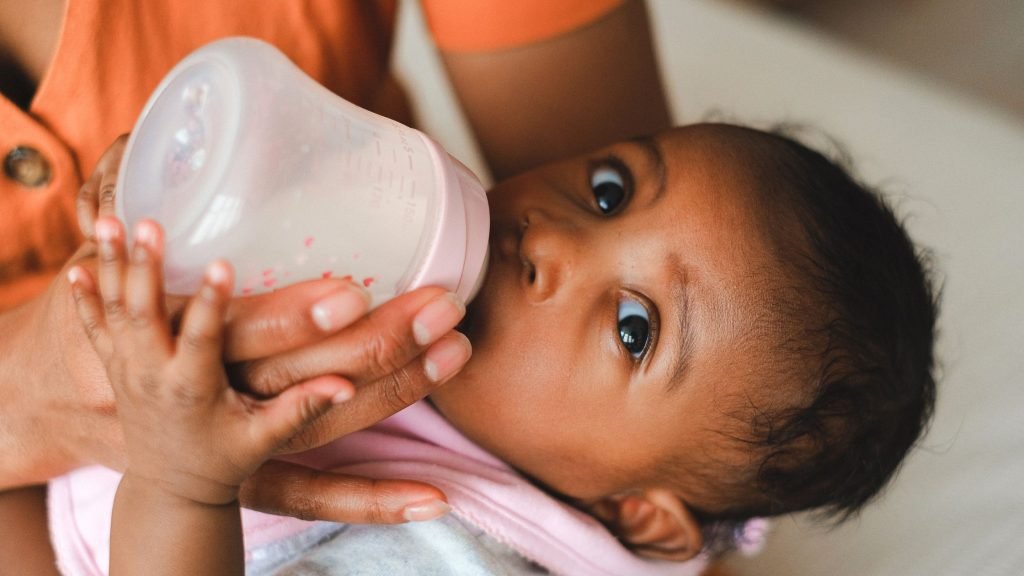
The question of “can you feed baby in car seat” is a common dilemma for parents navigating life on the go. While the convenience might seem appealing, safety experts strongly advise against feeding infants in their car seats, especially while the vehicle is in motion or for extended periods. The primary concerns revolve around choking hazards, proper swallowing mechanics, and potential risks to a baby’s developing posture.
Understanding these risks is crucial for making informed decisions that prioritize your child’s safety and well-being during travel. This comprehensive guide will explore the implications of feeding in a car seat, outline safer alternatives, and provide practical tips for stress-free feeding on the road.
Is It Safe to Feed Your Baby in a Car Seat?
Many parents ponder the question, can you feed baby in car seat? This is not merely a matter of convenience; safety is paramount when it comes to feeding while traveling. Feeding a baby in a car seat poses potential risks and challenges that every caregiver should understand. Babies, especially newborns, are particularly vulnerable to choking or developing misalignment in their posture due to the car seat’s reclined design, which can hinder their ability to swallow effectively.
A car seat is designed primarily for crash protection, not for feeding or prolonged upright support. When a baby is reclined in a car seat, their head can fall forward, compressing their airway. This position, often referred to as “positional asphyxia,” significantly increases the risk of choking and aspiration, where food or liquid enters the lungs. It’s essential for caregivers to be informed about the implications of feeding in this position, as it can compromise a baby’s respiratory function and overall safety.
Understanding the Risks of Feeding in a Car Seat
The unique design of a car seat, while excellent for safety during impact, is not conducive to healthy feeding. Several critical risks emerge when feeding a baby in this constrained environment:
- Choking and Aspiration Hazards: The semi-reclined angle of a car seat can cause a baby’s head to tilt forward, constricting their airway. This makes it difficult for them to swallow properly and clear their throat if they gag or choke. Milk, formula, or even saliva can be aspirated into the lungs, leading to serious respiratory issues like pneumonia. Babies have an immature swallowing reflex, making them more susceptible to these hazards.
- Positional Asphyxia: This severe risk occurs when a baby’s head slumps forward, cutting off their airflow. While often associated with sleep in car seats, it can also happen during feeding, especially if the baby is drowsy or not properly positioned. Their underdeveloped neck muscles struggle to maintain an open airway against gravity.
- Postural and Developmental Concerns: Extended periods in a car seat, particularly during feeding, can affect a baby’s developing spine and neck. The lack of proper ergonomic support can lead to poor posture, discomfort, and potentially impact muscle development. Babies need to be able to move freely and adjust their position during feeding, which is restricted in a car seat.
- Digestion Issues: Feeding in a reclined position can exacerbate issues like reflux or spit-up. Gravity plays a crucial role in digestion, and an upright position helps keep stomach contents down, reducing discomfort and potential complications.
- Limited Supervision and Distraction: If the vehicle is in motion, the driver’s attention is divided, making it challenging to closely monitor a baby for signs of choking or distress. Even when stopped, the car seat’s design can obscure a clear view of the baby’s face, delaying a parent’s response to an emergency.
Legal & Safety Guidelines
When considering whether you can feed baby in a car seat, it’s crucial to factor in legal guidelines and safety recommendations from organizations like the American Academy of Pediatrics (AAP) and car seat manufacturers. While feeding a baby in their car seat may not be explicitly illegal in many places, it can raise significant concerns regarding child safety that align with broader child restraint laws.
American Academy of Pediatrics (AAP) Recommendations
The AAP strongly advises against prolonged periods in car seats, especially for infants, due to the risk of positional asphyxia and SIDS (Sudden Infant Death Syndrome). While their guidelines primarily focus on sleep, the same principles apply to feeding: a baby’s airway can become compromised in a semi-reclined position. The AAP emphasizes that car seats are for transport, not for sleeping, playing, or feeding outside of supervised travel. They advocate for infants to be placed on a firm, flat surface for sleep and to be held in an upright, supported position for feeding.
State-Specific Laws and General Safety Principles
Laws vary by state, but many jurisdictions emphasize that a child should never be left unattended in a car seat, whether the vehicle is in motion or parked. While no explicit law typically prohibits “feeding” in a car seat, the act of feeding can conflict with general child safety requirements, particularly if it leads to an unsafe situation. For instance, if a baby chokes while a parent is driving, it can be considered a lapse in proper supervision and child safety.
Many safety experts advocate for specific guidelines, suggesting that infants should always be in an appropriate, upright position while eating. Accidents or sudden stops during travel can pose severe risks if a baby is not secured correctly or is engaged in an activity like feeding that requires a clear airway and proper posture.
To further illustrate how feeding a baby in a car seat can conflict with safety requirements, check the following table:
| State | Law Regarding Feeding in Car Seat |
|---|---|
| California | No explicit law against feeding, but car seat laws must be followed. This implies that any activity compromising the car seat’s primary safety function, such as positioning that leads to choking, could be scrutinized under general child endangerment statutes. |
| New York | Requires babies under 2 to be in a car seat; feeding can increase distraction. The potential for the driver to be distracted by a feeding baby, or for the baby to be improperly positioned, aligns with broader safety concerns about attentive driving and child welfare. |
| Texas | Feeding in a car seat is not illegal but can raise safety concerns. This highlights the consensus among safety professionals that while specific legislation may be absent, the inherent risks outweigh any perceived convenience. |
Consulting local regulations will help clarify what is permissible and may help avoid potentially dangerous situations. Each region might have specific parameters regarding child safety in vehicles, and the safest approach is always to remove the baby from the car seat for feeding.
Optimal Feeding Environments: Alternatives to the Car Seat
If you are considering the question, can you feed baby in car seat, you may also want to think about alternatives for feeding your baby while on the go. Several safe locations can provide comfortable environments for your infant to eat without the added complications of a moving vehicle or the inherent risks of a car seat.
Planning Ahead for Feeds
The best way to manage feeding while traveling is to plan proactively. Before embarking on a journey, consider your baby’s feeding schedule and map out potential stops. This foresight can significantly reduce stress and ensure your baby gets fed safely and comfortably.
- Feed Before Departure: If possible, feed your baby right before you leave home. A full tummy can buy you valuable travel time before the next feeding is needed.
- Pack Essentials: Always have pre-measured formula, sterilized bottles, or expressed breast milk in a cooler. Don’t forget burp cloths, wipes, and a change of clothes for inevitable spills.
- Strategic Stop Planning: Use navigation apps to identify rest stops, gas stations, or family-friendly establishments along your route. Factor in extra time for these stops – rushing can make feeding more stressful for both parent and baby.
Designated Rest Areas
Many highways have designated rest areas where parents can stop safely to feed their babies. These facilities often offer more than just parking:
- Amenities: Look for rest areas with family restrooms or dedicated nursing stations, which provide a clean, private, and comfortable space for feeding and changing.
- Safety: Rest areas are typically well-lit and monitored, offering a secure environment to take a break from driving and attend to your baby’s needs without rushing.
Safe Parking Lots
When a rest area isn’t available, a safe parking lot can serve as an adequate alternative:
- Choose Wisely: Find a safe parking lot away from heavy traffic, such as those at grocery stores, shopping centers, or even quiet side streets. Prioritize well-lit areas during evening hours.
- Comfort: Once parked, you can recline your own seat, open the car door for fresh air, and take your baby out of their car seat to hold them in a proper feeding position.
Indoor Locations
Look for family-friendly restaurants, cafes, or public spaces with adequate facilities to accommodate breastfeeding or bottle-feeding:
- Restaurants: Many establishments are welcoming to families and can offer a quiet booth or table where you can comfortably feed your baby. Don’t hesitate to ask staff for a suitable spot.
- On-the-Go Stations: Some malls, airports, and larger public venues have dedicated nursing stations or family lounges specifically designed for feeding infants. These often include comfortable chairs, changing tables, and privacy.
By using these alternatives, you can ensure your baby is safe and comfortable during feeding times without compromising safety measures required while traveling. Taking a few extra minutes to stop will make a world of difference for your baby’s well-being and your peace of mind.
Ensuring Comfort and Proper Positioning
Another vital aspect to consider when pondering the question of can you feed baby in car seat is the comfort of the feeding position. Comfort plays an essential role in how well and how much a baby will eat. A baby who is uncomfortable may refuse to eat or become irritable, worsening the feeding experience for both the caregiver and the infant. When a baby is fed in a car seat, they may not receive the physical support they need during this essential time, leading to a less effective and potentially distressing feeding session.
Understanding Baby’s Cues
Recognizing your baby’s cues is paramount to a successful feeding. Beyond fussiness, babies communicate their hunger and discomfort in various ways:
- Hunger Cues: Rooting (turning head toward touch), sucking motions, bringing hands to mouth, lip smacking, fussiness, and finally, crying (a late sign of hunger).
- Discomfort Cues During Feeding: Fussiness, pushing the bottle or breast away, arching their back, squirming, crying, or turning their head away. These signs indicate that the position might be uncomfortable, they are having trouble swallowing, or they are experiencing reflux.
If you observe these signs, it’s crucial to stop feeding and assess the situation. Often, simply repositioning the baby or taking them out of the car seat can resolve the issue.
Ideal Feeding Posture
The optimal feeding position ensures both comfort and safety. When feeding, whether breastfeeding or bottle-feeding, ensure your baby’s head is slightly elevated above their stomach. This helps with digestion and prevents milk from flowing too quickly, reducing the risk of choking and spit-up. Their neck and back should be well-supported, allowing their head to be in a neutral position, not slumped forward or hyperextended.
- Head Above Stomach: This position uses gravity to aid digestion and prevent reflux.
- Supported Neck and Back: Hold your baby close, supporting their head, neck, and spine. For bottle-feeding, ensure the bottle is held horizontally enough to fill the nipple with milk, preventing excessive air intake.
- Eye Contact and Bonding: An upright, held position allows for precious eye contact and skin-to-skin contact, fostering a stronger bond between parent and child. This interaction is a vital part of the feeding experience, contributing to emotional development.
Impact on Digestion
Proper feeding posture directly impacts a baby’s digestive health. Feeding while reclined or in an unsupported position can lead to:
- Increased Reflux and Spit-up: When a baby is not upright, it’s easier for stomach contents to come back up, causing discomfort and potential aspiration.
- Excessive Gas: Poor positioning can lead to increased air swallowing, resulting in gas and discomfort. Upright feeding and frequent burping are key to minimizing this.
Adopting a supportive position during feeding can lead to better bonding, more effective feeding, and overall healthier eating habits for your baby. Taking the time to feed your baby properly, outside of the car seat, is an investment in their comfort, health, and development.
Practical Tips for Feeding While Traveling
Traveling with a baby requires extra planning, especially when it comes to feeding. Here are practical tips to ensure smooth and safe feeding experiences during your journeys, always prioritizing your baby’s well-being over convenience.
Pre-Trip Preparation
The key to successful travel feeding is thorough preparation:
- Feed Before You Go: Always try to feed your baby right before you leave. A full stomach can extend the time until the next feeding, giving you a head start.
- Pack Smart:
- Formula/Breast Milk: Bring pre-measured formula in a dispenser, or pre-pumped and chilled breast milk in a cooler bag with ice packs. Pack more than you think you’ll need.
- Bottles & Water: Sterilized bottles and purified water (if mixing formula) are essential.
- Solids (for older babies): If your baby is on solids, pack easy-to-eat, non-perishable purees or soft finger foods, but remember to feed these only when safely out of the car seat.
- Cleaning Supplies: Don’t forget burp cloths, wet wipes, bibs, and a small bag for soiled items.
- Check Car Seat Manual: Review your car seat manual for any specific warnings or recommendations regarding feeding. Most manufacturers advise against it.
Strategic Stop Planning
Integrate feeding stops into your travel itinerary:
- Map Your Route: Identify suitable stopping points like rest areas, large gas stations, or family-friendly restaurants.
- Factor in Time: Allow ample time for feeding, burping, changing diapers, and stretching. Rushing can lead to stress and a less effective feed.
- Frequent Breaks: For infants, aim for stops every 2-3 hours to allow for feeding, diaper changes, and a break from the car seat.
Creating a Calm Environment (When Stopped)
Once you’ve stopped, make the feeding experience as pleasant as possible:
- Remove from Car Seat: Always take your baby out of the car seat for feeding. Hold them close in an upright, supported position.
- Find a Quiet Spot: If possible, find a relatively quiet and comfortable spot, whether it’s a dedicated nursing room, a quiet corner of a restaurant, or simply a parked car with the engine off.
- Bonding Time: Use this time for eye contact, gentle words, and skin-to-skin contact if breastfeeding. It’s a moment to reconnect and reassure your baby.
Feeding Techniques (When Out of Car Seat)
- Pace Feeding: For bottle-fed babies, use pace feeding techniques to mimic breastfeeding, allowing the baby to control the flow and take breaks, reducing air intake.
- Proper Latch/Position: Ensure a good latch for breastfeeding or proper bottle angle to minimize air swallowing.
- Frequent Burping: Burp your baby regularly during and after feeds to release trapped air and prevent discomfort.
Safety First
- Never Feed Solids in a Moving Car: This is extremely dangerous due to the high choking risk. Solids should only be offered when your baby is securely seated in a high chair or on your lap, fully supervised, and completely out of the car seat.
- Stay Vigilant: Always supervise your baby closely during feeding, watching for signs of discomfort or choking.
- Know Infant CPR/Choking First Aid: It’s highly recommended for all parents and caregivers to be trained in infant CPR and choking first aid.
By implementing these practical tips, you can ensure that feeding your baby while traveling is a safe, comfortable, and positive experience for everyone involved.
Frequently Asked Questions
Is it ever okay to give a bottle to a baby in a car seat?
It is generally not recommended to give a bottle to a baby in a car seat, especially while the car is moving. The semi-reclined position increases the risk of choking and aspiration, as it can be difficult for the baby to swallow effectively. It’s best to stop, remove the baby, and feed them in a safe, upright position.
What are the main risks of feeding a baby in a car seat?
The primary risks include choking and aspiration (food/liquid entering the lungs) due to compromised airways in a reclined position, positional asphyxia, potential for poor posture development, and digestive issues like increased reflux. It also makes close supervision difficult for the driver.
How can I tell if my baby is uncomfortable while feeding?
Signs of discomfort include fussiness, arching their back, pushing the bottle or breast away, turning their head away, squirming, or crying. These cues often indicate that their position is not ideal, or they are experiencing digestive discomfort.
What are the best alternatives for feeding my baby during a long trip?
The best alternatives involve stopping the vehicle. You can feed your baby at designated rest areas with family facilities, in a safe and quiet parking lot, or at family-friendly restaurants and public spaces with nursing stations. Always remove your baby from the car seat for feeding.
Does feeding position affect a baby’s digestion?
Yes, feeding position significantly affects a baby’s digestion. An upright position helps gravity keep stomach contents down, reducing reflux and spit-up. A reclined position can lead to more air swallowing, causing gas and discomfort, and potentially exacerbate digestive issues.
Conclusion
While the idea of feeding your baby in a car seat might seem convenient during travel, the risks associated with choking, aspiration, and compromised posture far outweigh any perceived benefits. Prioritizing your baby’s safety and comfort means making strategic stops to feed them outside of their car seat, in a supported, upright position. By planning ahead, utilizing safe alternative feeding locations, and understanding your baby’s cues, you can ensure that feeding on the go remains a positive and secure experience. Always remember that a car seat is for transport, and a proper feeding environment is crucial for your baby’s health and well-being.