

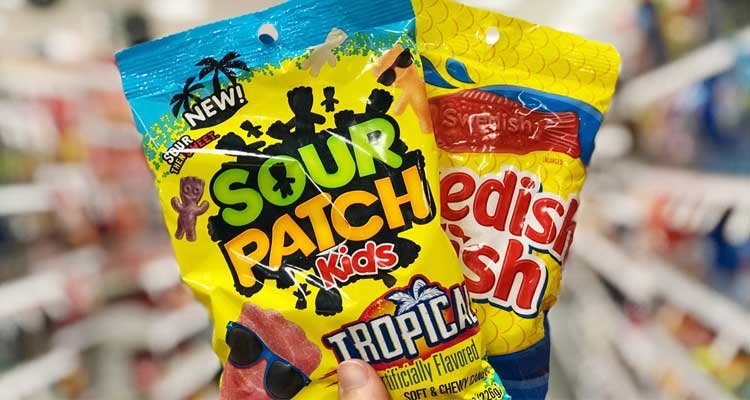
For many, Sour Patch Kids are a beloved sweet and sour treat, providing a delightful burst of flavor. If you’re navigating a gluten-free diet, a crucial question arises: are Sour Patch Kids gluten free? The good news is that original Sour Patch Kids varieties are generally considered gluten-free, as their ingredient list does not contain wheat, barley, or rye. This makes them a popular choice for individuals managing a gluten-free lifestyle, including those with celiac disease or gluten sensitivity.
Navigating dietary restrictions, especially for popular snacks like Sour Patch Kids, can be tricky. Finding safe and enjoyable treats is essential for maintaining a balanced lifestyle and preventing adverse health reactions. This article will break down the ingredients, discuss the nuances of gluten-free labeling, and help you make informed choices about these iconic sour candies, ensuring your treat time is worry-free and delicious.
Understanding Gluten and Gluten-Free Diets
Gluten is a complex of proteins, primarily gliadin and glutenin, found naturally in grains such as wheat, barley, and rye. It acts as a binder, giving elasticity to dough and a chewy texture to baked goods. While harmless for most, for individuals with celiac disease, gluten triggers an autoimmune response that damages the small intestine, impairing nutrient absorption. Others experience non-celiac gluten sensitivity, leading to symptoms like bloating, fatigue, and digestive issues without intestinal damage.
Adhering to a strict gluten-free diet is the only effective treatment for celiac disease and often provides relief for those with gluten sensitivity. This means avoiding all foods containing wheat, barley, and rye, which can be challenging as gluten is hidden in many processed foods, sauces, and even some medications. Understanding ingredients and labeling is paramount for safe consumption.
Sour Patch Kids Ingredients: A Closer Look
When assessing whether a food is gluten-free, the ingredient list is your primary tool. Let’s examine the common ingredients found in original Sour Patch Kids:
- Sugar: A primary ingredient, providing sweetness. Sugar is naturally gluten-free.
- Invert Sugar: A blend of glucose and fructose, also gluten-free.
- Corn Syrup: A sweetener derived from corn, which is a gluten-free grain.
- Modified Corn Starch: Used as a thickener, derived from corn. Unless specified as “modified wheat starch” (which is rare in the US and would be clearly labeled), corn starch is gluten-free.
- Tartaric Acid: A natural organic acid, gluten-free, contributing to the sour flavor.
- Citric Acid: Another natural organic acid, gluten-free, enhancing the sour taste.
- Natural and Artificial Flavors: While sometimes a hidden source of gluten in other products, in candies like Sour Patch Kids, these are typically gluten-free. However, if you have extreme sensitivity, it’s always best to be cautious or contact the manufacturer.
- Yellow 5, Yellow 6, Red 40, Blue 1: These are artificial food colors, all considered gluten-free.
Based on this standard ingredient list, original Sour Patch Kids do not contain any gluten-containing grains. This aligns with the common understanding that they are a safe option for those avoiding gluten.
The Nuance of “Gluten-Free” Labeling
Understanding what “gluten-free” means on a label is crucial. In the United States, the Food and Drug Administration (FDA) regulates the use of the term “gluten-free” on food packaging. For a product to be labeled “gluten-free,” “no gluten,” “free of gluten,” or “without gluten,” it must meet specific criteria:
- It must inherently not contain gluten (e.g., water, fruits, vegetables).
- It must not contain an ingredient that is a gluten-containing grain (wheat, rye, barley, or a crossbreed of these).
- It must not contain an ingredient derived from a gluten-containing grain that has not been processed to remove gluten (e.g., wheat flour).
- If it contains an ingredient derived from a gluten-containing grain that has been processed to remove gluten (e.g., wheat starch), that ingredient must result in the food containing less than 20 parts per million (ppm) of gluten.
The 20 ppm threshold is widely accepted by international standards as a level that is safe for most individuals with celiac disease. However, it’s important to note that a product not explicitly labeled “gluten-free” can still be free of gluten-containing ingredients. In such cases, careful label reading is essential.
Certified Gluten-Free
Some products go a step further and obtain “Certified Gluten-Free” status from third-party organizations (like the Gluten-Free Certification Organization – GFCO). These certifications often require products to meet an even stricter standard, typically less than 10 ppm of gluten, and involve regular audits of manufacturing facilities. While Sour Patch Kids are not typically “certified gluten-free,” their consistent ingredient profile for original varieties makes them generally accepted.
Cross-Contamination: A Real Concern
Even if a product’s ingredients are inherently gluten-free, the manufacturing process can introduce gluten through cross-contamination. This occurs when gluten-free foods come into contact with gluten-containing foods or surfaces during processing, packaging, or storage. For candy manufacturers, this could mean:
- Shared Production Lines: If the same equipment is used to make both gluten-containing and gluten-free candies, residual gluten particles might transfer.
- Shared Facilities: Even with separate lines, airborne flour or dust in a facility can settle on gluten-free products.
- Shared Packaging Equipment: Packaging machinery might also be a source of contamination.
- Ingredient Sourcing: Ingredients themselves, even if naturally gluten-free, could be processed or stored in facilities that also handle gluten-containing grains.
Mondelez International, the manufacturer of Sour Patch Kids, does not explicitly label original Sour Patch Kids as “gluten-free” on their packaging, which is often a cautious approach taken by companies due to potential cross-contamination risks. However, their ingredient statements consistently show no gluten-containing components for the original varieties. For individuals with severe celiac disease, contacting the manufacturer directly for their latest cross-contamination policies can provide the most up-to-date and specific information.
For more information on celiac disease and safe gluten-free practices, you can visit the Celiac Disease Foundation.
Varieties and Flavors: Always Check the Label
While original Sour Patch Kids are generally considered gluten-free, it is absolutely critical to remember that different varieties, seasonal flavors, or limited editions might have different ingredient formulations. For example:
- Sour Patch Kids Extreme: Check ingredients for any variations.
- Sour Patch Kids Watermelon, Berries, Tropical: These often share the same base ingredients as the original, but it’s always best practice to verify.
- Sour Patch Kids with other inclusions (e.g., chocolate-covered, filled varieties): These are highly likely to contain gluten or have a higher risk of cross-contamination due to additional components.
- Sour Patch Kids products in other forms (e.g., ice cream, yogurt, cereals): These will have entirely different ingredient lists and manufacturing processes.
The Golden Rule: Always, always read the ingredient label on every package, every time, before consuming any product when you are on a gluten-free diet. Manufacturers can change formulations without notice, and a product that was safe last month might not be safe today.
For current ingredient information, you can often check the manufacturer’s official website, such as Mondelez International.
Comparing Sour Patch Kids to Other Candies
For those living gluten-free, finding safe candy options can be a quest. Here’s a quick overview of how Sour Patch Kids compare to other popular candies regarding gluten status:
- Generally Gluten-Free Candies (Always check labels!):
- Skittles (Original, Wild Berry, Tropical)
- Starburst
- M&M’s (Plain, Peanut – avoid pretzel or crispy varieties)
- Hershey’s Kisses (Plain Milk Chocolate, Hugs)
- Smarties (US version)
- Gummy Bears (most brands, but verify gelatins/starches)
- Candies That Often Contain Gluten or High Risk:
- Twizzlers (contain wheat flour)
- Kit Kat (contains wheat flour)
- Licorice (most varieties contain wheat flour)
- Maltesers (contain barley malt extract)
- Crispy/pretzel variations of many candies (e.g., Crispy M&M’s)
This comparison highlights that while many candies are naturally gluten-free, vigilance is key. The presence of wheat, barley, or rye, even in small amounts, can be detrimental to someone with celiac disease.
Tips for Gluten-Free Snacking and Parenting
Living gluten-free, especially with children, requires careful planning and communication. Here are some tips:
- Educate Yourself and Your Family: Understand what gluten is and why it’s avoided. Teach children to read labels as they get older.
- Read Labels Diligently: This cannot be stressed enough. Ingredient lists are your best friend. Look for allergens declared in bold or a “contains” statement.
- Contact Manufacturers: If you’re unsure about a product’s gluten status or cross-contamination risks, reach out to the manufacturer directly. Many have dedicated customer service lines or FAQs on their websites.
- Stick to Certified Products for High Sensitivity: For those with severe celiac disease or high sensitivity, prioritizing products with a “Certified Gluten-Free” label offers an extra layer of assurance.
- Be Wary of Bulk Bins: While tempting, bulk candy bins are high-risk environments for cross-contamination due to shared scoops and proximity to other products.
- Plan Ahead for Social Events: Pack safe snacks for parties, school events, or outings. Communicate with hosts or teachers about your child’s dietary needs.
- Focus on Naturally Gluten-Free Foods: Emphasize fruits, vegetables, lean proteins, and gluten-free grains as the foundation of your diet. Treats like Sour Patch Kids should remain occasional.
- Teach “When in Doubt, Go Without”: This simple rule can prevent accidental gluten exposure. If a child isn’t sure if something is safe, it’s better to pass on it.
For more comprehensive guidance on living with celiac disease, the National Institute of Diabetes and Digestive and Kidney Diseases (NIDDK) offers valuable resources.
Frequently Asked Questions
Are all Sour Patch Kids flavors gluten-free?
While original Sour Patch Kids are generally considered gluten-free based on their ingredients, it is crucial to check the label for all other flavors, seasonal varieties, or limited editions. Formulations can change, and some variations might contain different ingredients or be processed differently.
What is cross-contamination in candy manufacturing?
Cross-contamination occurs when gluten-free ingredients or products come into contact with gluten-containing ingredients or equipment during the manufacturing process. This can happen on shared production lines, through airborne particles, or during packaging, posing a risk for individuals with celiac disease or high gluten sensitivity.
Can someone with Celiac disease eat Sour Patch Kids?
Many individuals with celiac disease successfully consume original Sour Patch Kids because their ingredient list does not contain wheat, barley, or rye. However, due to potential cross-contamination risks and the absence of an official “gluten-free” label, those with severe sensitivity may choose to exercise extra caution or contact the manufacturer directly.
How do I identify a truly gluten-free product?
To identify a truly gluten-free product, look for a “gluten-free” claim on the packaging (indicating it meets FDA standards of less than 20 ppm gluten). For even greater assurance, seek products with a “Certified Gluten-Free” seal from a reputable third-party organization, which often implies stricter testing and manufacturing protocols.
Are there any ingredients in Sour Patch Kids that are often confused with gluten?
Modified corn starch is sometimes confused with gluten, but it is derived from corn, which is a gluten-free grain. Unless explicitly stated as “modified wheat starch” (which is rare in the US and would be clearly labeled as containing wheat), corn starch is safe for a gluten-free diet. Always read the full ingredient list to be certain.
Conclusion
For those navigating a gluten-free lifestyle, the good news is that original Sour Patch Kids are generally considered a safe and delicious treat, as their standard ingredient list is free from wheat, barley, and rye. However, vigilance remains your most powerful tool. Always read the ingredient label on every package, for every flavor, every time, to account for potential formula changes or cross-contamination risks. By staying informed and diligent, you can confidently enjoy your favorite sour candies and maintain a happy, healthy, gluten-free life.