
Introduction
In a world increasingly dominated by screens, many parents worry about their children’s physical activity levels, especially when they don’t gravitate towards traditional sports. If you’re looking for tips for raising a non athletic children, rest assured that fostering an active lifestyle is absolutely achievable, even if your child isn’t destined for the varsity team. The key is to shift focus from competitive sports to the joy of movement and overall well-being.
This article will guide you through practical strategies to encourage physical activity, build confidence, and cultivate a lifelong appreciation for health in your non-athletic child. We’ll explore various approaches, from leveraging their existing interests to creating a supportive and fun environment that makes movement an integral part of their daily life, free from pressure and comparison.
Understanding Your Child’s Unique Path
Every child is unique, and their interests and strengths will vary. It’s crucial to acknowledge and respect your child’s individuality, especially when it comes to physical activity.
Embrace Individuality Over Athletic Prowess
- Acknowledge Their Strengths: Your child might excel in academics, arts, music, or other areas. Celebrate these talents and understand that athleticism is just one facet of a well-rounded individual.
- Redefine “Active”: Physical activity doesn’t solely mean playing team sports. It encompasses a vast range of movements that contribute to health and well-being.
- Focus on Health, Not Performance: The primary goal is to ensure they are healthy, strong, and enjoy moving their bodies, rather than achieving competitive success or meeting specific athletic benchmarks.
Identify Their Interests Beyond Sports
What does your child genuinely enjoy? Understanding their existing passions can provide clues on how to integrate movement into their lives naturally.
- Connect Movement to Hobbies: If they love nature, consider hiking or geocaching. If they enjoy building, perhaps parkour or climbing could appeal. For those who love music, dance is a fantastic option.
- Observe Their Play: Pay attention to how they naturally move and what activities they gravitate towards, even if it’s just imaginative play in the backyard.
- Involve Them in the Choice: Let them have a say in what activities they try. This empowers them and increases their buy-in.
Avoid Pressure and Comparisons
Forcing a child into an activity they dislike, or comparing them to more athletic siblings or peers, can lead to resentment, anxiety, and a complete aversion to physical activity.
- No “Shoulds”: Avoid phrases like “You should be playing soccer like your cousin.” Instead, focus on finding what they enjoy.
- Celebrate Effort, Not Just Outcome: Praise their willingness to try something new or the effort they put into an activity, regardless of their skill level.
- Create a Safe Space: Ensure they feel comfortable exploring different activities without fear of judgment or failure.
Creating a Positive Environment for Movement
A supportive and encouraging home environment is fundamental in helping non-athletic children discover the joy of physical activity.
Start Early, But It’s Never Too Late
The earlier you introduce the concept of active play, the better, but it’s important to remember that it’s never too late to start. Even older children can develop new interests.
- Infancy and Toddlerhood: Encourage crawling, walking, and exploring. Provide sensory toys that promote movement, like soft balls or push-pull toys. Make movement a natural part of their day.
- Preschool Years: Introduce simple games like tag, hide-and-seek, or dancing. Offer opportunities for unstructured outdoor play.
- School Age and Beyond: If starting later, focus on gentle introductions and activities that align with their current interests. Remember, better late than never applies to developing a love for movement.
Make it Fun and Playful
The most effective way to encourage activity is to make it enjoyable. If it feels like a chore, they will resist.
- Gamify Activities: Turn walks into scavenger hunts, chores into races, or exercises into silly dances.
- Focus on Process, Not Perfection: Emphasize the fun of moving and playing, rather than mastering a skill.
- Variety is Key: Offer a range of activities to keep things fresh and prevent boredom.
Limit Screen Time, But Use It Strategically
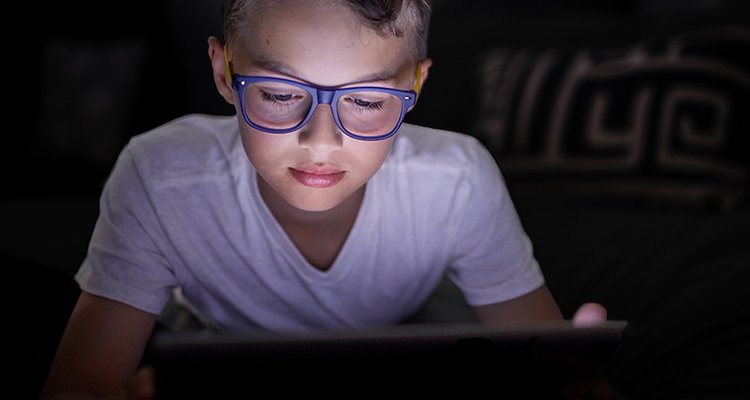
While excessive screen time can displace physical activity, technology can also be a bridge to it when used thoughtfully.
- Set Healthy Limits: Follow recommendations from organizations like the American Academy of Pediatrics (AAP) for age-appropriate screen time.
- Active Screen Time: Encourage video games that require physical movement, such as dance games (e.g., Just Dance), fitness games (e.g., Ring Fit Adventure), or virtual reality experiences that involve movement.
- Inspiration and Learning: Use screens to watch sports documentaries, nature shows that inspire outdoor exploration, or videos demonstrating fun active games.
Provide Opportunities, Not Demands
Make active choices readily available without forcing participation. The goal is to pique their interest and let them discover what they enjoy.
- Accessible Equipment: Have balls, jump ropes, bikes, scooters, and other play equipment readily available and easy to access.
- Explore Local Resources: Research local parks, community centers, swimming pools, hiking trails, and playgrounds. Suggest outings without making them mandatory.
- Rotate Options: Introduce different activities or types of equipment periodically to see what sparks their curiosity.
Exploring Diverse Avenues for Physical Activity
Many children are labeled “non-athletic” simply because they haven’t found the right type of physical activity that resonates with them. Broaden your definition of “sport.”
Beyond Traditional Team Sports
Not every child enjoys the competitive, team-oriented nature of soccer, basketball, or baseball. There are countless other ways to be active.
- Individual Sports:
- Swimming: A full-body workout, excellent for cardiovascular health, and a crucial life skill.
- Martial Arts: Teaches discipline, focus, self-defense, and builds strength and coordination (e.g., karate, taekwondo, judo).
- Gymnastics/Tumbling: Improves flexibility, strength, balance, and body awareness.
- Cycling: Great for exploring, endurance, and can be a family activity.
- Running/Track & Field: Can be individual or team-based, focusing on personal bests rather than direct competition.
- Rock Climbing/Bouldering: Builds upper body strength, problem-solving skills, and confidence.
- Adventure and Outdoor Activities:
- Hiking/Nature Walks: Explore local trails, identify plants, or go birdwatching.
- Geocaching: A real-world treasure hunt using GPS coordinates, combining technology with outdoor exploration.
- Kayaking/Canoeing: A peaceful way to explore waterways and build upper body strength.
- Gardening: Digging, planting, weeding are all physical tasks that connect children with nature.
- Creative Movement:
- Dance: From ballet to hip-hop, salsa to modern, dance is a fantastic way to express oneself, build coordination, and get a great workout.
- Yoga/Pilates: Improves flexibility, strength, balance, and promotes mindfulness.
- Parkour/Freerunning: For older children, this can be an exciting way to navigate urban environments using physical skills.
For more ideas and guidelines on physical activity for children, refer to resources like the Centers for Disease Control and Prevention (CDC).
Watch Sports Together and Discuss
Even if they don’t want to play, watching sports can spark interest. This aligns with the original content’s “Watch Sports Together” and “Round Table Meetings” suggestions.
- Tune In: Put on a variety of sports on TV or stream them. You might be surprised by what catches their eye.
- Discuss the Game: Engage them in conversations about the strategy, teamwork, or individual performances. Ask questions like, “What was your favorite play?” or “Who was the most impressive player and why?” This helps them connect with the human element of sports.
- Focus on Stories: Share inspiring stories of athletes, their dedication, and their journeys. Sometimes, the personality and narrative attract kids more than the game itself.
Indoor Challenges and Active Games
Leverage their comfort with indoor spaces by introducing active games and challenges. This builds on the “Indoor Challenges” from the original content.
- Family Game Nights: Incorporate active games like charades, Pictionary with physical actions, or “minute-to-win-it” style challenges.
- DIY Obstacle Courses: Create simple obstacle courses using household items (pillows to jump over, tunnels made from blankets, crawling under chairs).
- Active Video Games: As mentioned, games like Just Dance or Ring Fit Adventure can be great for indoor movement.
- Practice Skills: After watching a sport, try to replicate a simple move indoors. For example, if you watched soccer, try basic dribbling with a soft ball. Set up friendly challenges with rewards for participation or effort, not just winning.
Expose Them to Live Events
The energy and atmosphere of a live sporting event can be incredibly captivating, even for a non-athletic child. This ties into the original content’s “Take him to Competitions” advice.
- Local Games: Attend high school, college, or community league games. They are often affordable and provide a genuine experience.
- Professional Matches: If possible, take them to a professional game. The scale and excitement can be awe-inspiring.
- Variety of Sports: Don’t just stick to the most popular sports. Consider less common events like track and field, gymnastics meets, or even equestrian events.
- Focus on the Experience: The goal isn’t to make them want to play, but to experience the camaraderie, dedication, and excitement of sport.
Leveraging Technology Wisely
Technology, often seen as a deterrent to physical activity, can actually be a valuable tool when used strategically.
Active Video Games and Apps
As discussed, many video games now incorporate physical movement, making screen time active rather than sedentary.
- Console-Based Fitness Games: Nintendo Switch, Xbox Kinect, and PlayStation Move offer a variety of games that get kids moving.
- Augmented Reality (AR) Games: Games like Pokémon GO encourage walking and outdoor exploration.
- Fitness Apps for Kids: Look for apps that offer guided workouts, yoga for kids, or interactive challenges.
Fitness Trackers for Kids
Wearable technology can be a fun way to track activity and set achievable goals. The original content mentioned a “kid’s fitbit.”
- Focus on Steps and Active Minutes: Emphasize metrics like daily steps, active minutes, or sleep patterns, rather than calories or weight.
- Set Fun Challenges: Use the tracker to set family step challenges or virtual races.
- Gamified Rewards: Some trackers for kids offer virtual rewards or unlock new features as they meet activity goals.
Educational Content and Inspiration
Use screens to inspire real-world activity.
- Documentaries: Watch documentaries about extreme sports, nature exploration, or the science of the human body.
- Online Tutorials: Find kid-friendly tutorials for dance moves, yoga poses, or simple exercises they can try.
- Virtual Tours: Explore national parks or famous trails virtually, then plan a real-world visit to a local park.
The Power of Role Modeling and Family Involvement
Children are highly influenced by the adults around them. Your actions speak louder than words.
Be an Active Role Model
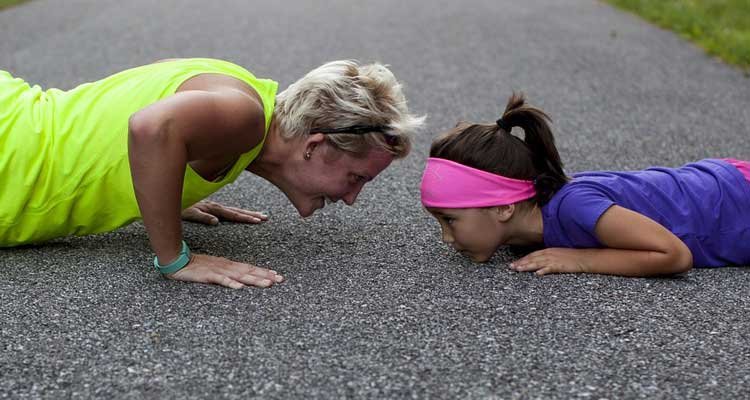
Show, don’t just tell. If your child sees you being active and enjoying it, they are more likely to emulate that behavior.
- Engage in Your Own Activities: Let your child see you exercising, playing a sport, or enjoying a walk.
- Talk About Your Active Experiences: Share how good you feel after a workout or a walk, focusing on the positive emotions rather than just the physical effort.
- Prioritize Movement: Make physical activity a visible and valued part of your family’s routine.
Family Active Time
Make physical activity a shared family experience. This fosters connection and makes movement feel natural and enjoyable.
- Regular Family Walks or Bike Rides: Schedule these into your weekly routine.
- Park Visits: Dedicate time to visit local parks, playgrounds, or green spaces for unstructured play.
- Backyard Games: Play simple games like catch, frisbee, or tag in your own backyard.
- Active Vacations: Plan trips that involve hiking, swimming, or exploring new places on foot.
Involve Them in Chores and Everyday Movement
Many daily activities provide opportunities for physical exertion without being labeled as “exercise.”
- Gardening: Digging, planting, watering, and weeding are all physical tasks.
- Household Chores: Vacuuming, sweeping, carrying laundry, or helping with groceries all involve movement.
- Walking the Dog: If you have a pet, make walking it a shared responsibility.
- Walking Instead of Driving: Whenever feasible, walk or bike to nearby destinations like school, the park, or a friend’s house.
Cook Healthy Meals Together
Physical activity goes hand-in-hand with good nutrition. Involve your child in preparing healthy meals to foster a holistic understanding of well-being.
- Grocery Shopping: Walk through the aisles, choose fresh produce, and carry bags.
- Meal Prep: Let them help chop vegetables, stir ingredients, or set the table.
- Learn About Nutrition: Teach them about the importance of different food groups and how they fuel their bodies for activity.
When to Seek Professional Guidance
While most non-athletic children simply need encouragement and diverse opportunities, there are times when professional input can be beneficial.
- Persistent Disinterest in All Forms of Activity: If your child shows no interest in any type of movement, even playful or unstructured, it might be worth discussing with a pediatrician.
- Concerns About Motor Skills: If you notice delays in coordination, balance, or other gross motor skills, a pediatrician can assess and refer to an occupational therapist or physical therapist.
- Underlying Health Conditions: Sometimes, an undiagnosed health issue might contribute to low energy or reluctance to be active.
- Body Image or Self-Esteem Issues: If your child expresses negative feelings about their body or abilities, professional counseling can help.
Always consult your child’s pediatrician for any health-related concerns or before making significant changes to their activity levels.
Frequently Asked Questions
What if my child genuinely dislikes all sports?
It’s perfectly fine! The goal is not to make them love sports, but to find forms of physical activity they enjoy. Focus on non-competitive options like hiking, dancing, martial arts, or even active chores. The key is to find their “movement niche.”
How much physical activity do non-athletic children need?
The Mayo Clinic and CDC recommend that children and adolescents ages 6 to 17 years do 60 minutes or more of moderate-to-vigorous physical activity daily. This can be accumulated throughout the day in various ways.
Should I reward my child for physical activity?
Extrinsic rewards can sometimes backfire. Focus on intrinsic motivation by highlighting how good they feel, the fun they had, or the new skills they learned. If you do use rewards, make them non-food related and tied to participation or effort, not performance.
How can I encourage my child without being pushy?
Offer choices, model active behavior yourself, make activities fun, and focus on health and enjoyment rather than competition. Listen to their preferences and respect their boundaries. Gentle encouragement and consistent opportunities are more effective than pressure.
Are active video games a good substitute for outdoor play?
While active video games can be a great way to get children moving indoors, they are not a complete substitute for outdoor play. Outdoor activities offer fresh air, exposure to nature, social interaction, and different types of physical challenges that video games cannot fully replicate. Aim for a balance.
Conclusion
Raising non-athletic children to be active and healthy is a journey of discovery, patience, and understanding. By embracing their individuality, creating a positive environment, exploring diverse activities beyond traditional sports, leveraging technology wisely, and being a strong role model, you can help your child cultivate a lifelong love for movement. Remember, the ultimate goal is not to produce an athlete, but to foster a healthy, confident, and happy individual who enjoys an active lifestyle. Start exploring these tips today and watch your child find their unique path to physical well-being.