
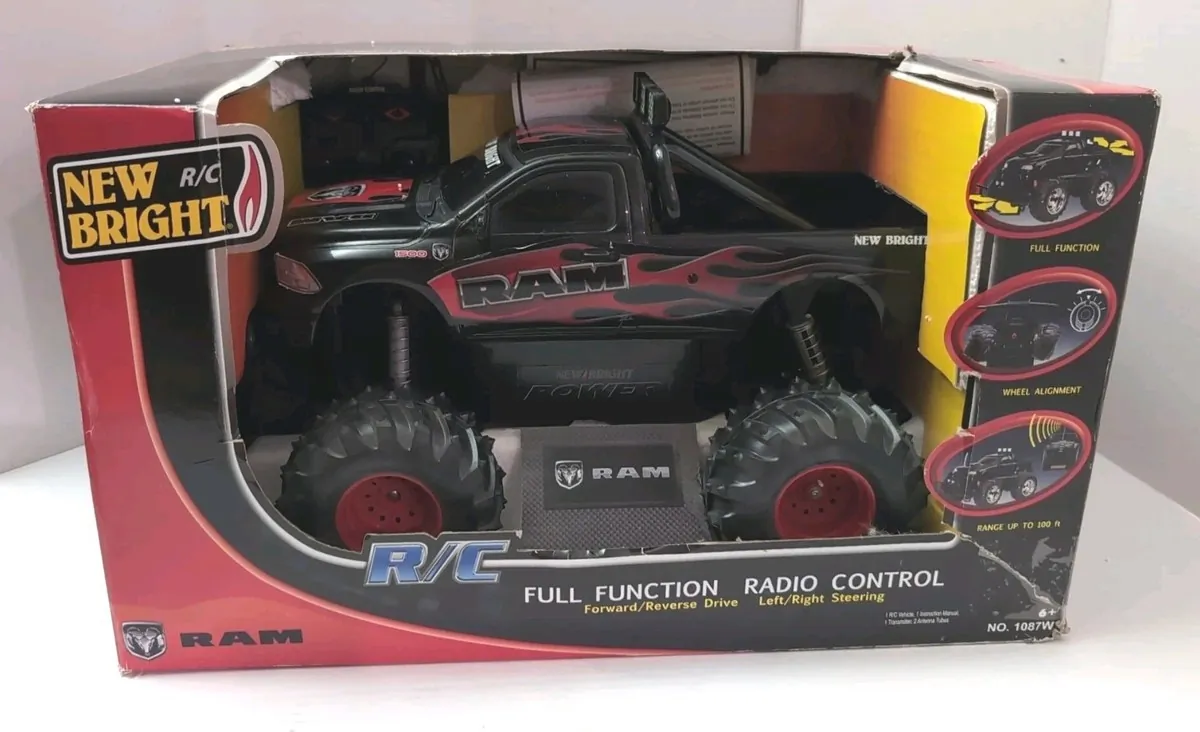
New Bright remote control vehicles are popular entry-level toys, but users frequently encounter new bright rc steering problems that can sideline these fun machines. Whether the front wheels are stuck, pulling to one side, or completely unresponsive, the issue usually stems from debris, battery fatigue, or a simple mechanical misalignment. Because these models are designed for casual play rather than high-performance hobbyist racing, their steering linkages are relatively delicate and prone to minor faults that you can often fix at home with basic tools.
Key Takeaways
- Most steering issues originate from low battery voltage rather than broken internal components.
- Physical debris like hair or carpet fibers often jams the front steering assembly.
- Re-centering the mechanical trim dial on the underside of the chassis fixes pulling issues.
- Internal gear stripping occurs if the wheels are forced while the power is on.
- Always perform a full power cycle by removing and reinserting batteries before starting repairs.
Why Is the Steering Not Responding?
The most common reason for a complete loss of steering is a failure in the electrical path between the transmitter and the receiver. When your remote control sends a signal, the steering servo or motor must receive sufficient current to move the wheels. If your batteries are low, the motor may have enough power to drive the wheels forward but not enough torque to actuate the steering linkage. Voltage drop is the primary culprit in these instances.
Another frequent cause is the loss of the radio frequency connection. If the vehicle is too far away, or if there’s heavy interference from other electronic devices, the steering signal might be dropped. Ensure your transmitter is set to the same channel as the car, if applicable. A loose antenna or a damaged internal wire can also break the signal chain. Check for any visual signs of damage on the transmitter housing or the receiver antenna wire inside the vehicle.
Troubleshooting Mechanical Steering Issues
If the motor hums but the wheels don’t move, you’re likely dealing with a mechanical obstruction. Small rocks, dirt, or long hair can wrap around the steering tie rods or the hub assembly. These vehicles use a simple plastic linkage system that relies on free movement to translate the servo motor’s energy into directional changes.
Clearing Debris and Obstructions
- Turn off the vehicle and remove the batteries to prevent accidental engagement.
- Inspect the front wheel wells and the area around the steering knuckles.
- Use a pair of tweezers to remove any trapped carpet fibers or debris.
- Gently rotate the front wheels by hand to ensure they move smoothly from left to right.
- If you feel significant resistance, check the steering pivot points for bent plastic components.
How to Fix Pulling or Alignment?
When a vehicle consistently veers to the left or right, it’s rarely a sign of a major motor failure. Instead, it indicates that the steering trim is off-center. Most New Bright models feature a small sliding or rotating trim adjustment dial located on the underside of the front chassis. This dial mechanically biases the steering linkage to compensate for slight imperfections in the chassis alignment or surface friction.
To calibrate the alignment, place the vehicle on a flat, smooth surface like a hardwood floor or a clean table. Drive the car forward at a slow speed and observe the drift. If it pulls to the right, slowly turn the trim dial toward the left until the vehicle tracks in a straight line. You may need to perform this adjustment several times, as these dials can be sensitive and prone to shifting during rough play.
Can You Replace Stripped Gears?
Inside the steering housing, there’s a small motor connected to a series of nylon gears. If you hear a loud grinding or clicking sound when you turn the wheel, it’s a sign that the teeth on these gears have been stripped. This typically happens when the front wheels are forced against an obstacle while the motor is still trying to turn them.
Unfortunately, most New Bright steering assemblies are sealed units. While you can open the casing with a precision screwdriver set, finding exact replacement parts for specific model years can be difficult. If the gears are stripped, you might be able to use a plastic-safe lubricant to temporarily quiet the noise, but the long-term solution usually involves replacing the entire front-end steering module if the manufacturer offers replacement components.
Battery Management and Power Flow
Power delivery is critical for consistent steering performance. Even if the car seems to move forward fine, the steering motor requires a specific burst of power to overcome the resistance of the tires against the ground. If you’re using standard alkaline batteries, consider switching to high-quality rechargeable NiMH batteries, which often provide a more consistent discharge rate during the life of the battery cycle.
| Component | Common Issue | Potential Fix |
|---|---|---|
| Steering Trim | Veering left or right | Adjust the dial on the chassis |
| Steering Motor | Grinding or clicking | Check for debris or stripped gears |
| Transmitter | No response at all | Replace batteries in both units |
| Linkage Arm | Wheels feel loose | Snap the ball joint back in place |
Understanding Steering Linkage Components
The steering linkage is the bridge between the motor and the wheels. It consists of a series of small plastic rods and ball-and-socket joints. If you find that one wheel is pointing in a different direction than the other, the linkage may have popped out of its socket. This is common after a high-impact collision with a wall or furniture.
Check the ball joints for any signs of cracking or snapping. If the plastic isn’t broken, you can usually snap the rod back into the socket with a gentle but firm push. If the plastic is cracked, a small drop of cyanoacrylate adhesive (super glue) can provide a temporary hold, but be very careful not to glue the joint in a way that prevents it from pivoting, as this will burn out the steering motor quickly.
When to Contact Support
If you have performed a full reset, replaced all batteries, cleared all debris, and adjusted the trim, but the steering remains unresponsive, there may be a fault in the internal circuit board. Electronic components can fail due to moisture exposure or thermal overload.
If the unit is still under warranty, don’t attempt to open the main sealed electronics box, as this will void your coverage. Contact the manufacturer’s customer service department with your model number, which is usually stamped on the underside of the chassis or inside the battery compartment. Have your proof of purchase ready, as they will likely require this to process a replacement.
Maintenance to Prevent Future Issues
Preventative maintenance is the best way to keep your RC vehicle running smoothly. After every outdoor session, take a moment to wipe down the chassis with a dry cloth. Avoid driving the vehicle through water, sand, or tall grass, as these environments are the fastest way to introduce grit into the steering assembly. Sand, in particular, acts as an abrasive that will grind down the plastic gears inside the steering housing within minutes.
| Action Item | Frequency | Benefit |
|---|---|---|
| Remove debris | After every use | Extends motor life |
| Check trim dial | Before every session | Ensures straight driving |
| Inspect wires | Monthly | Prevents signal loss |
| Battery check | Before driving | Maintains steering torque |
Common Repair Tools for RC Toys
You don’t need a professional workshop to handle most steering repairs. A basic kit will cover almost everything you need to keep your vehicle on the road. Keep these items in a small container near your play area:
- Precision Phillips head screwdriver set (for accessing battery doors and housing).
- Fine-tipped tweezers (for removing hair and carpet fibers).
- Compressed air canister (for blowing out dust from the steering gears).
- Microfiber cloth (for general cleaning).
- Small container of silicone-based lubricant (for stiff joints).
Pro Tip: If the steering seems sluggish, check the transmitter battery level first. Even if the steering works, a weak transmitter signal can cause the steering to feel “lazy” or unresponsive.
Frequently Asked Questions
Why does my RC car only turn in one direction?
If the vehicle only turns one way, the steering motor or the potentiometer inside the transmitter is likely faulty. First, ensure the steering trim dial is centered. If that fails, check the steering linkage to ensure nothing is physically blocking the wheels from turning in the other direction. If the mechanical parts are clear, the internal electronic signal for that specific direction may be broken.
Can I use WD-40 on the steering gears?
Don’t use standard aerosol lubricants like WD-40 on plastic steering gears. These products can degrade certain types of plastic over time, making them brittle and more prone to snapping. Instead, use a dedicated plastic-safe silicone lubricant or a small amount of white lithium grease. Always apply lubricants sparingly to prevent attracting more dust and debris into the delicate gear teeth.
What should I do if the steering wheel feels loose?
A loose steering wheel or wobbling front tires usually indicates a worn-out pivot point or a loose screw in the steering knuckle. Check the screws holding the front wheels to the chassis; if they’re loose, tighten them gently. If the plastic mount itself is worn out, you may be able to use a small washer to take up the extra space and provide a tighter fit.
How do I reset the steering on a New Bright RC?
To reset the steering, turn off both the vehicle and the transmitter. Remove the batteries from both units and wait at least sixty seconds to allow the internal capacitors to discharge. Reinstall fresh batteries, turn on the vehicle, and then turn on the transmitter. This power cycle forces the internal electronics to re-initialize and can often resolve minor firmware or signal synchronization glitches.
Why is there a clicking sound when I turn?
A clicking sound is a classic symptom of stripped gears within the steering gearbox. The motor is turning, but the teeth on the gears are worn down and slipping past each other instead of engaging the linkage. This usually occurs after a hard crash or if the wheels are stuck against a heavy object. Unfortunately, this often requires replacing the entire steering motor assembly.
Warning: Always disconnect the battery before reaching into the steering assembly to clear debris. If the motor engages while your fingers are near the linkage, the plastic parts can pinch your skin or cause the motor to burn out due to the sudden resistance.
Conclusion
If you have tried these steps and the steering remains non-functional, the best next step is to contact the manufacturer’s customer support line for your specific model number to see if a replacement part is available. Keeping your remote control vehicle clean, dry, and free of debris will significantly extend the life of your steering components and ensure many hours of uninterrupted fun.