
It’s incredibly frustrating when you pull the trigger on your transmitter and nothing happens, but when my rc car wont move, it’s usually due to a simple power or connectivity issue rather than a catastrophic mechanical failure. Whether you’re running a beginner-grade hobby vehicle or a high-performance competition machine, the troubleshooting process remains remarkably consistent. By methodically checking your power sources, signal transmission, and mechanical drivetrain, you can identify the culprit quickly. Most issues stem from depleted batteries, loose connectors, or a loss of signal synchronization between your radio gear and the internal electronic speed controller.
Key Takeaways
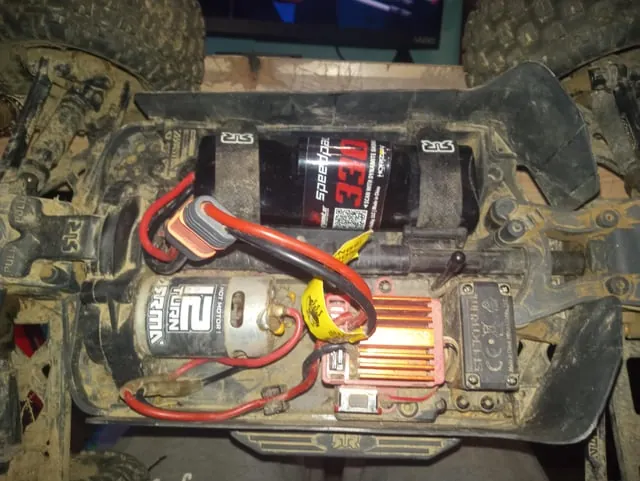
- Always verify that your transmitter batteries are fresh before assuming the vehicle is broken.
- Ensure the electronic speed controller (ESC) is properly bound to your transmitter.
- Check for physical obstructions like debris or tangled hair in the drivetrain gears.
- Confirm that all electrical plugs are fully seated and free from corrosion or damage.
- Inspect your motor wires to ensure no connections have vibrated loose during operation.
Why is my rc car failing?
When troubleshooting, it helps to categorize the problem into one of three distinct areas: electrical power, signal transmission, or mechanical resistance. If the car shows no signs of life—no lights, no beeping, and no steering response—the issue is almost certainly a power supply problem. If the steering works but the wheels don’t turn, you’re likely looking at a motor, ESC, or drivetrain issue. If the car is completely unresponsive, the problem is likely a signal sync issue.
The Power Supply System
The most common culprit is a depleted battery pack. Even if a battery shows a small amount of voltage, it may not have enough “punch” or current to initiate the ESC’s startup sequence. Modern lithium-polymer (LiPo) batteries require specific voltage levels to operate safely. If the voltage drops below the cutoff threshold set by the manufacturer, the ESC will refuse to arm itself to prevent permanent damage to the cells.
Signal Transmission Issues
If your batteries are fully charged, the next step is to examine the communication between the transmitter and the receiver. Most modern 2.4GHz systems use a binding process to pair your specific controller to your car. If the receiver LED is blinking or showing a color indicating a loss of signal, the two devices have lost their handshake. You must re-bind them following the steps outlined in your user manual.
Troubleshooting why your RC car wont move
| Component | Symptom | Action Needed |
|---|---|---|
| Transmitter | No lights on remote | Replace AA batteries |
| Battery Pack | Car won’t turn on | Charge or test voltage |
| Connectors | Loose or sparking | Re-solder or replace plug |
| ESC | No beep on start | Recalibrate throttle range |
Is the motor or ESC broken?
If your steering functions correctly but the throttle does nothing, the issue lies within the motor or the electronic speed controller. First, listen for any sounds when you pull the trigger. If you hear a faint clicking or buzzing, the motor is receiving a signal but is physically unable to turn. This often happens if a rock is lodged in the pinion gear or if the drivetrain is seized.
Warning: Never force the wheels to turn by hand if you suspect a jammed motor, as this can strip the teeth off your internal plastic spur gear.
If there’s no sound at all, check the wiring between the ESC and the motor. High-vibration environments can cause bullet connectors to shake loose. Ensure every wire is pushed firmly into its counterpart. If you have a brushless system, ensure all three motor wires are securely connected to the ESC, as a disconnected phase will prevent the motor from spinning correctly.
Checking for mechanical drivetrain obstructions
Sometimes the electronics are perfectly fine, but the car is physically locked up. Inspect the drivetrain assembly for any debris. Small pebbles, sand, or strands of carpet fiber can easily wrap around the axles or get jammed between the pinion and spur gear.
- Pinion and Spur Gear: Check for debris between the teeth.
- Drive Shafts: Ensure dogbones are seated in the outdrives.
- Wheel Hubs: Remove wheels and check for tangled debris.
- Differential: Spin the wheels by hand to ensure smooth movement.
If the car feels “crunchy” when you roll it along the floor, you likely have a damaged gear or a bent axle. In many cases, you can remove the gear cover and clear out the obstruction in just a few minutes. According to the Federal Communications Commission, maintaining proper signal integrity relies on clean, interference-free hardware, which includes ensuring your receiver antenna isn’t damaged or cut.
How to rebind your transmitter
If you suspect the radio signal is the issue, re-binding is your best option. This process forces the receiver to “re-learn” the transmitter’s unique ID. Most standard hobby-grade transmitters, such as those from Spektrum or Traxxas, feature a small “bind” button on the receiver. You typically press this button while turning the car on, then activate the bind mode on your transmitter. Once the LED turns solid, the connection is restored.
Pro Tip: Always turn your transmitter on first and turn it off last to prevent the car from receiving “runaway” signals from interference while the transmitter is powered down.
Common battery types and symptoms
| Battery Type | Common Failure | Fix |
|---|---|---|
| NiMH | Memory effect/Low voltage | Cycle through charger |
| LiPo 2S | Low voltage cutoff | Use balance charger |
| LiPo 3S | Puffing/Damaged cells | Dispose of safely |
| Alkaline (Tx) | Corroded terminals | Clean with vinegar/brush |
Inspecting your electronic speed controller
The ESC is the brain of your vehicle. It tells the motor how much power to pull from the battery. If the ESC has been exposed to moisture, it may have suffered a short circuit. Even if the device is “waterproof,” moisture can eventually find its way into the internal circuitry. If you see signs of burnt plastic smell or discoloration on the circuit board, the ESC likely requires a replacement.
If the ESC is functioning but the car won’t move, you may need to perform a throttle calibration. If your transmitter throttle trim was moved while the car was being turned on, the ESC might think you’re currently applying throttle and enter a safety lockout mode. Ensure your throttle trim is set to zero (neutral) and try restarting the system.
Are the steering servos working?
If your steering works, you have confirmed that the receiver is getting power and is successfully communicating with the transmitter. This is a vital diagnostic piece of information. It narrows the problem down to the ESC, the motor, or the physical drivetrain. If the steering doesn’t work either, you should focus your efforts on the battery and the receiver’s power source rather than the motor.
Can debris cause motor failure?
Yes, absolutely. If a motor is jammed, it will draw a massive amount of current, which can trigger the ESC’s thermal protection mode. When the ESC detects an overheating condition, it will shut down the throttle output to prevent the electronics from melting. If your car moves for a few seconds and then stops, or if it stops after a hard crash, check if the motor is excessively hot to the touch.
When to replace your motor
If you have verified that the battery is charged, the gears are clear, and the ESC is receiving a signal, the motor itself may be the issue. Brushed motors have internal carbon brushes that wear out over time. If these brushes lose contact with the commutator, the motor will stop spinning. You can sometimes revive a brushed motor by cleaning the commutator with a specialized motor spray, but eventually, the motor will need to be replaced.
Related guides
Frequently Asked Questions
Why does my car only move in reverse?
This usually happens because the throttle channel on your transmitter is reversed. Look for a small switch on your transmitter labeled “REV” or “TH” (Throttle). Toggle this switch to the opposite position. If that doesn’t solve it, your ESC may need to be recalibrated to recognize the neutral, forward, and reverse points of your transmitter’s trigger.
What if the car makes a clicking sound?
A clicking sound almost always indicates a stripped gear or a loose gear mesh. If the pinion gear is pushed too far away from the spur gear, the teeth will skip over each other, creating that distinct clicking noise. You’ll need to adjust the gear mesh until the teeth are snug but not binding, or replace the damaged gears entirely.
How do I know if my LiPo is dead?
A dead LiPo battery often won’t hold a charge or will trigger the ESC’s low-voltage cutoff immediately. Use a digital battery checker to measure the voltage of each individual cell. If any cell is below 3.0V, the battery may be permanently damaged. Never attempt to charge a puffy, swollen, or physically damaged LiPo battery, as this poses a significant fire hazard.
Why is the steering working but not the wheels?
This indicates that your receiver is powered and the transmitter is bound, but the signal isn’t reaching the motor. Check your ESC-to-motor wire connections first. If those are solid, the ESC may have suffered an internal failure or the motor itself may be burned out. Ensure your throttle trim on the transmitter is set to the neutral center position.
Can a loose wire cause a total shutdown?
Yes, a loose connection at the battery plug or the ESC can cause intermittent power loss. As the car vibrates during driving, the connection may break, causing the ESC to reboot or enter a safety mode. Inspect your battery connectors for signs of melting or loose pins. Replacing the connectors with high-quality plugs like XT60 or Deans style can resolve many power delivery issues.
Conclusion
If your vehicle still refuses to operate after performing these checks, the final step is to systematically swap components with a known working vehicle if one is available. Start by testing a fresh battery, then try a different transmitter, and finally examine the ESC and motor. If you don’t have spares, consider taking the car to a local hobby shop where a technician can use a multimeter to pinpoint the exact failure point.