
Most of the time, a corsair keyboard not lighting up happens because the iCUE software has crashed or the device profile has failed to load. You can usually fix this by restarting the background service or resetting the hardware to its factory state. If the lights remain off after these steps, the issue might be a simple connection error or a firmware glitch that requires a clean reinstallation of the driver.
Why your Corsair keyboard lighting fails
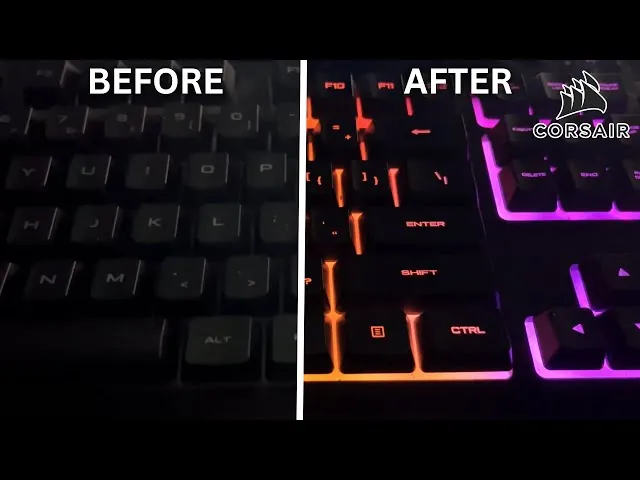
The table below ranks the most frequent causes for your keyboard lighting issues. If you notice the lights flicker when you move the cable, the problem is likely physical damage rather than a software bug.
| Cause | How common | How to confirm it | Fix it yourself? |
|---|---|---|---|
| iCUE software crash | Very common | Software interface is unresponsive | Yes |
| Firmware error | Common | Device shows as error in iCUE | Yes |
| USB power limit | Common | Lights work on other computers | Yes |
| Profile corruption | Occasional | Default lighting works, custom does not | Yes |
| Cable damage | Rare | Physical fraying or loose port | No |
| Hardware failure | Rare | No response to any input | No |
If your keyboard lights work in the BIOS but fail once Windows loads, you’re dealing with a software conflict rather than a hardware defect. You can verify this by checking the Device Manager for yellow warning icons.
Many users mistakenly assume their keyboard is broken when a USB hub is the actual culprit. If your keyboard is plugged into a passive hub, it likely lacks the 500mA of power required to drive the LEDs at full brightness. Connect the cable directly to a motherboard port to rule this out immediately.
If the lighting freezes during a firmware update, don’t disconnect the device. Wait at least ten minutes, as the controller may be performing a background reset. Interrupting this process often bricks the internal memory, turning a simple software glitch into a permanent hardware failure. If the device remains unresponsive after this window, perform a hard reset by holding the Escape key while plugging the USB cable into your machine.
Resolving iCUE software conflicts
A software crash is the most frequent reason the lighting stops. When the iCUE service stops running in the background, your custom lighting profiles disappear instantly. To fix this, you should first force the software to restart its primary process. Open the Task Manager on your computer, find all tasks related to the software, and end them. Once everything is closed, launch the application again from your desktop icon to restore communication with the keyboard.
If the software remains unresponsive after a restart, you should perform a clean update. Download the latest installer from the official website and run it to repair your current installation. This process overwrites corrupted files that prevent the lighting controller from communicating with your hardware. If you’re using a laptop, ensure the device is plugged into a USB 3.0 port or higher, as some USB 2.0 ports don’t provide enough power for full RGB brightness.
Fixing keyboard firmware issues
Firmware errors often occur after a failed update or a sudden power loss during use. You can tell if this is the issue because the keyboard might not be recognized by your computer at all, or it may appear with a warning icon in your device manager.
To resolve this, you must force a firmware update through the Corsair iCUE software. If the software fails to launch or crashes upon opening, the issue likely resides in a corrupted driver rather than the firmware itself. In that case, uninstall the device from your system settings and restart your machine before attempting the flash again.
Follow the prompts to check for updates within the device settings tab of the application. If the software detects a mismatch, it will trigger a re-flash of the internal memory. This process takes about 2 minutes to complete.
Don’t unplug the cable while the bar is moving, or you risk damaging the internal controller permanently. If the status remains stuck at zero percent, try moving the USB connector to a different port on the back of your motherboard. Front-panel USB ports often lack the consistent power delivery required for a successful firmware write.
If the update still stalls, disable any active antivirus software temporarily. Security suites frequently flag the low-level communication required for firmware flashing as suspicious activity, blocking the data transfer midway through the process. Always restore your security settings immediately after the keyboard is restored to full functionality.
Correcting profile and setting errors
Sometimes the keyboard is working, but your specific lighting profile has been deleted or corrupted. You can test this by switching to a hardware lighting profile, which is stored directly on the keyboard’s internal memory. Use the profile switch button on the board to cycle through the onboard presets. If the lights turn on during this test, your custom software settings are the problem, not the hardware itself.
If the onboard profiles also show no light, check the brightness settings. People often accidentally turn the brightness down to zero using the dedicated hotkey on the top row of the keyboard. Press the brightness button multiple times to cycle through the intensity levels. If you have multiple profiles saved, delete the corrupted one and create a new, simple test profile to see if the colors return.
A common mistake is assuming a software update wiped your configuration when, in reality, the active layer has simply shifted to a “dark” mode. If your software shows the lights are active but the board remains dim, toggle the “Disable Lighting” toggle within the settings menu.
If that fails, force a firmware refresh by holding the escape key while plugging in the USB cable. This resets the controller to its factory state. If the lights flash once upon connection, the LEDs are functional, and you should focus your troubleshooting entirely on the software driver installation.
Rarer causes for lighting issues
USB port failure often stems from power-delivery limitations rather than total port death. A port might successfully handshake with a mouse or keyboard while failing to supply the 500mA to 900mA required to drive an LED array. If your lights flicker or remain dim, move the connection to a dedicated motherboard port on the rear I/O panel instead of a front-panel header or unpowered hub.
Static electricity buildup creates a phantom controller lockup. If the board is unresponsive, unplug the USB cable and hold the power button for 30 seconds to drain the capacitors. This resets the controller logic without losing your saved profiles.
Operating system updates frequently overwrite HID drivers. If your lighting software reports that the device is disconnected after a patch, check the Device Manager. Look for a yellow warning icon under Human Interface Devices. If you see one, right-click to roll back the driver to the previous version.
Liquid damage is rarely immediate. If you spilled a drink, the minerals left behind after evaporation create conductive bridges. If the lights behave erratically, stop using the board immediately and clean the PCB with 99% isopropyl alcohol.
What a fix typically demands
Fixing these issues usually requires only a few minutes of your time and no extra tools. Most software-based fixes are free and rely on the tools already provided by the manufacturer. If you need to reinstall the software, you only need a stable internet connection to download the package. The time spent depends on your internet speed and whether you need to reconfigure your saved lighting effects after a reset.
If the problem is a faulty cable or an internal short, the cost can be high. Replacing a proprietary cable often requires sourcing a part from the manufacturer, which can be difficult for older models. If the hardware is damaged, the repair cost is often similar to buying a new entry-level keyboard. Always check your warranty status on the manufacturer’s website before paying for a repair, as many devices are covered for two years from the date of purchase.
Distinguish between software and hardware by checking the device in a different USB port. If the keyboard works elsewhere, the issue is your computer’s driver, not the hardware. If it fails on every machine, the internal circuit board is likely fried. Never attempt to solder internal components unless the device is already out of warranty, as opening the chassis voids your coverage instantly.
Frequently asked questions
How long does a factory reset take?
A factory reset takes about 30 seconds to perform once you start the process. You usually need to unplug the keyboard, hold the ‘Esc’ key, and plug the cable back in while keeping the key pressed. The lights will flash once to confirm the reset is complete. This clears all custom settings and restores the original factory lighting patterns.
Is it safe to update the firmware?
It’s safe to update the firmware as long as your computer power is stable during the process. If your computer shuts down or the cable is disconnected during the update, the keyboard may stop working entirely. Ensure your laptop is plugged into a wall outlet or your desktop isn’t in a power-saving mode before you begin the update.
Why do the lights work in BIOS but not in Windows?
This happens when the iCUE software fails to load properly after your operating system starts. The keyboard uses a basic driver to function in the BIOS, which allows the lights to turn on. Once Windows loads, the software takes control, and if it crashes, the lights will turn off. Reinstalling the software is the standard way to fix this communication gap.
Does a USB hub cause lighting issues?
A USB hub often causes lighting issues because it splits power between multiple devices. Many RGB keyboards require the full power of a dedicated USB 3.0 port to drive the LEDs at maximum brightness. If you notice the lights are dim or flickering, connect the keyboard directly to the motherboard port on the back of your computer to rule out power loss.
Can I fix a broken LED bulb?
You can’t fix a single broken LED bulb unless you have professional soldering equipment and experience with electronics. If only one key is dark, it’s usually a sign of a physical diode failure rather than a software issue. If the keyboard is under warranty, contact the manufacturer instead of attempting to open the case, as this will void your coverage.
What happens if I use the wrong firmware?
Using the wrong firmware can make the keyboard unresponsive or cause the keys to map incorrectly. The software usually prevents you from installing the wrong version, but a forced update can bypass these checks. Always verify your exact keyboard model and revision number on the sticker on the back of the device before you download any files from the official website.
Conclusion
If your keys still don’t glow after trying these fixes, don’t worry. You should reach out to Corsair’s support team directly, as they’ll help you determine if there’s a deeper hardware defect. They’re usually quick to respond, and you’ll likely get your setup back to its full, colorful potential in no time.