
If your device isn’t syncing or tracking data correctly, you can fix most da fit watch troubleshooting issues by restarting both your smartphone and the watch. The most common cause is a temporary loss of the Bluetooth handshake between the two devices. When this connection drops, the app can’t receive new data, even if the watch face still shows your steps or heart rate.
Why your smartwatch stops connecting
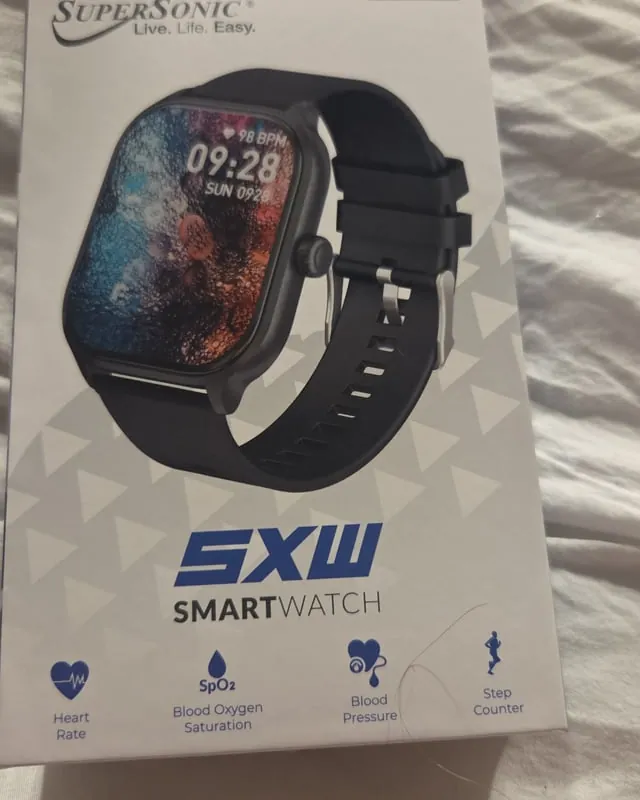
Most connectivity problems happen because of a mismatch in the background permissions or a frozen Bluetooth cache. Your smartphone needs constant access to the Da Fit app to keep the data stream open. If your phone enters a strict power-saving mode, it will often kill the app’s background process to save battery, which effectively cuts the link to your watch.
Another frequent cause is interference from other nearby wireless devices. Bluetooth signals operate in the 2.4 GHz spectrum, which is the same frequency used by many Wi-Fi routers and microwave ovens. If you’re in a room with several active wireless devices, the signal between your watch and your phone can become unstable. This isn’t a hardware failure, but rather a crowded wireless environment that prevents the two devices from “hearing” each other clearly.
Finally, the watch firmware and the app version must be compatible. If you recently updated your phone’s operating system but left the app on an old version, the communication protocols may no longer align. According to the Federal Communications Commission, Bluetooth Low Energy devices rely on specific handshaking sequences that can fail if the software on either end is outdated or corrupted by a partial installation.
Reset the connection between devices
To fix a persistent connection error, you should first “forget” the watch in your phone’s Bluetooth settings menu. Open your phone settings, find the Bluetooth list, locate the watch name, and select “Forget this device” or “Unpair.” Once you do this, turn off Bluetooth on your phone, wait 10 seconds, and turn it back on.
Next, restart your watch by finding the “Power Off” or “Reset” option in the watch’s internal settings menu. After the watch turns back on, open the Da Fit app on your phone. Don’t try to pair the watch using the phone’s standard Bluetooth menu again. Instead, use the “Add a Device” button inside the Da Fit app itself. The app is designed to handle the specific security handshake required for these wearables.
This method works for most users whose watch is still powering on but refusing to sync. If the watch screen remains black even after a long charge, the issue is likely a failed battery or a damaged charging pin. In that case, you should check if the charging cable is securely clicked into the magnetic ports. If the screen doesn’t light up after 30 minutes on a wall charger, the hardware may have reached the end of its life.
Check your app permissions
The Da Fit app requires several specific permissions to function correctly, and these settings sometimes reset after a phone software update. Your phone needs to grant the app “Location” and “Background Refresh” access. If these are denied, the phone will block the app from searching for the watch or receiving data while the screen is locked.
Go into your phone’s “App Settings” menu and find the Da Fit entry. Ensure that “Location Services” is set to “Always Allow” or “Allow while using the app.” If you see a toggle for “Background App Refresh,” make sure it’s turned on. Without these permissions, the app can’t maintain the link to the watch once you close the app window.
This step is particularly important for users who notice their watch works immediately after pairing but stops syncing an hour later. If your phone is set to “Battery Saver” mode, it will likely override these permissions. You should manually add the Da Fit app to your phone’s “Battery Optimization” exclusion list. This tells the phone’s operating system to ignore the app when it’s trying to save power, ensuring the connection stays alive all day.
If you still experience gaps in your data, check your “Notification Access” settings. Many users mistakenly disable this, which prevents the watch from displaying incoming alerts. If your watch vibrates but displays no text, toggle this permission off and back on to refresh the handshake. If you use a third-party task killer or memory cleaner, whitelist Da Fit immediately. These apps often force-close background processes, which costs you your historical heart rate and sleep logs.
Update your device firmware
If the watch connects but features like message notifications or weather updates are missing, the device firmware might need an update. Open the Da Fit app and navigate to the “Device” tab. Look for an option labeled “Firmware Update” or “Upgrade.” If a red dot or a notification appears, tap it to begin the download.
Keep your phone and watch within 3 feet of each other during this process. A firmware update usually takes 2 to 5 minutes to complete. Ensure your watch has at least 50% battery before starting; if the power drops below 20% during the transfer, the device may enter a recovery mode that requires a factory reset to bypass.
Don’t close the app or turn off your phone’s Bluetooth while the progress bar is moving. This can cause a “soft brick” where the watch becomes unresponsive. If the update fails, simply restart the app and try the process again.
This is the right fix for bugs that appear after a major phone OS update. However, if your watch is physically damaged or the screen is cracked, an update won’t fix the issue. In cases of physical damage, you should contact the seller or the manufacturer’s support desk.
They can tell you if the device is covered under a warranty or if you need a professional repair service. If the screen flickers or shows lines, don’t attempt a firmware update, as the hardware failure will likely interrupt the write process and permanently disable the device.
Avoid common Da Fit watch troubleshooting mistakes
Deleting the app immediately wipes your historical fitness data permanently. Instead, navigate to your phone’s settings to clear the app cache first. This preserves your logs while often resolving the underlying software glitch.
Many users attempt to pair the watch directly through the phone’s Bluetooth menu. This will fail because the device requires a handshake initiated exclusively inside the Da Fit app. If you see the watch in your Bluetooth list but the app can’t find it, you must “forget” the device in your phone settings before restarting the app search.
Charging via a laptop USB port may provide insufficient current for a full charge. This often leads to a watch that dies within hours of being unplugged. Always use a dedicated wall adapter rated for at least 5V/1A to ensure the internal battery reaches its true capacity.
If the battery drops below 10%, the watch automatically severs its Bluetooth connection to preserve energy. If your notifications stop arriving, check your battery status before assuming a hardware failure. Keep the charge above 15% to maintain a stable, active link.
Improve watch performance
| If you’re doing this | Do this instead | Why |
|---|---|---|
| Charging via PC USB | Use a wall brick | Provides stable, constant voltage |
| Closing app manually | Let it run in background | Keeps the connection stream active |
| Using “Power Saver” | Disable for Da Fit | Prevents phone from killing the app |
| Pairing in Bluetooth | Pair inside the app | Required for the specific data handshake |
Avoid plugging your watch into a laptop or desktop port. These ports often fluctuate in power delivery, which can trigger a protective shutdown in the watch battery. A standard 5V wall adapter provides the correct voltage for the device’s internal charging circuit.
Many users mistakenly force-close the app to save phone battery, but this severs the synchronization bridge. If your data fails to update, check your phone’s background activity settings. If you see “Optimized” or “Restricted” status, toggle it to “Unrestricted” immediately. This ensures the app remains awake to push notifications and health metrics.
Finally, ignore the system Bluetooth menu entirely during setup. Pairing here creates a generic connection that lacks the specific handshake protocols required for biometric tracking. If you have already paired via system settings, “forget” the device and restart the process exclusively through the app interface.
Frequently asked questions
How long does a full charge take?
A full charge typically takes 2 to 3 hours when using a standard 5V wall adapter. If you use a lower-power source, such as a keyboard USB port, it may take significantly longer or fail to reach 100% capacity. Always check the output rating on your wall plug to ensure it matches the manufacturer’s recommended voltage.
Why is my watch not showing text messages?
Your watch can’t show messages unless you specifically enable “Notification Access” in your phone’s system settings. Go to your phone’s security or privacy menu, find the list of apps with notification access, and toggle the switch for Da Fit to the “On” position. Without this system-level permission, the phone is blocked from sending message alerts to any third-party wearable device.
Is it safe to wear in the shower?
No, it isn’t safe to wear most budget-friendly smartwatches in the shower because hot water vapor can bypass internal seals. While many watches are rated for water resistance, this rating usually applies to cool, still water at shallow depths. Steam and soap can degrade the rubber gaskets that protect the internal electronics, leading to permanent moisture damage inside the casing.
What happens if the screen freezes?
If your screen freezes, hold the physical side button down for 15 seconds to force a hard reboot. This action bypasses the software and cuts power to the processor instantly. If the watch doesn’t restart after this, place it on the charger; a hard reboot sometimes requires the device to detect a power source to initiate the boot sequence.
Can I connect two phones at once?
No, you can’t connect one watch to two different smartphones at the same time. The watch can only maintain a single active Bluetooth connection. If you want to switch the watch to a new phone, you must first unpair it from the original phone’s Bluetooth menu before the new phone will be able to find it during the setup process.
How often should I sync data?
You should sync your data at least once every 24 hours to prevent the watch’s internal memory from overwriting old information. Most watches have a limited storage capacity for step and heart rate logs. Once this buffer fills up, the watch will delete the oldest entries to make room for new data, which means you’ll lose your activity history.
Conclusion
Regularly cleaning the charging pins with a soft, dry cloth prevents oxidation that stops the watch from charging properly. If you notice the watch isn’t charging, check the pins for any dark spots or buildup before you assume the device is broken.