
You can often resolve issues by performing a forced restart, which is the most effective method for fitbit versa 3 troubleshooting when the device is frozen or unresponsive. This process clears temporary software errors without deleting your personal data. If a restart doesn’t fix the problem, you should check for a loose charging connection or a battery that has fully depleted. These two causes account for the vast majority of power-related issues users face.
Fixing a frozen Fitbit Versa 3
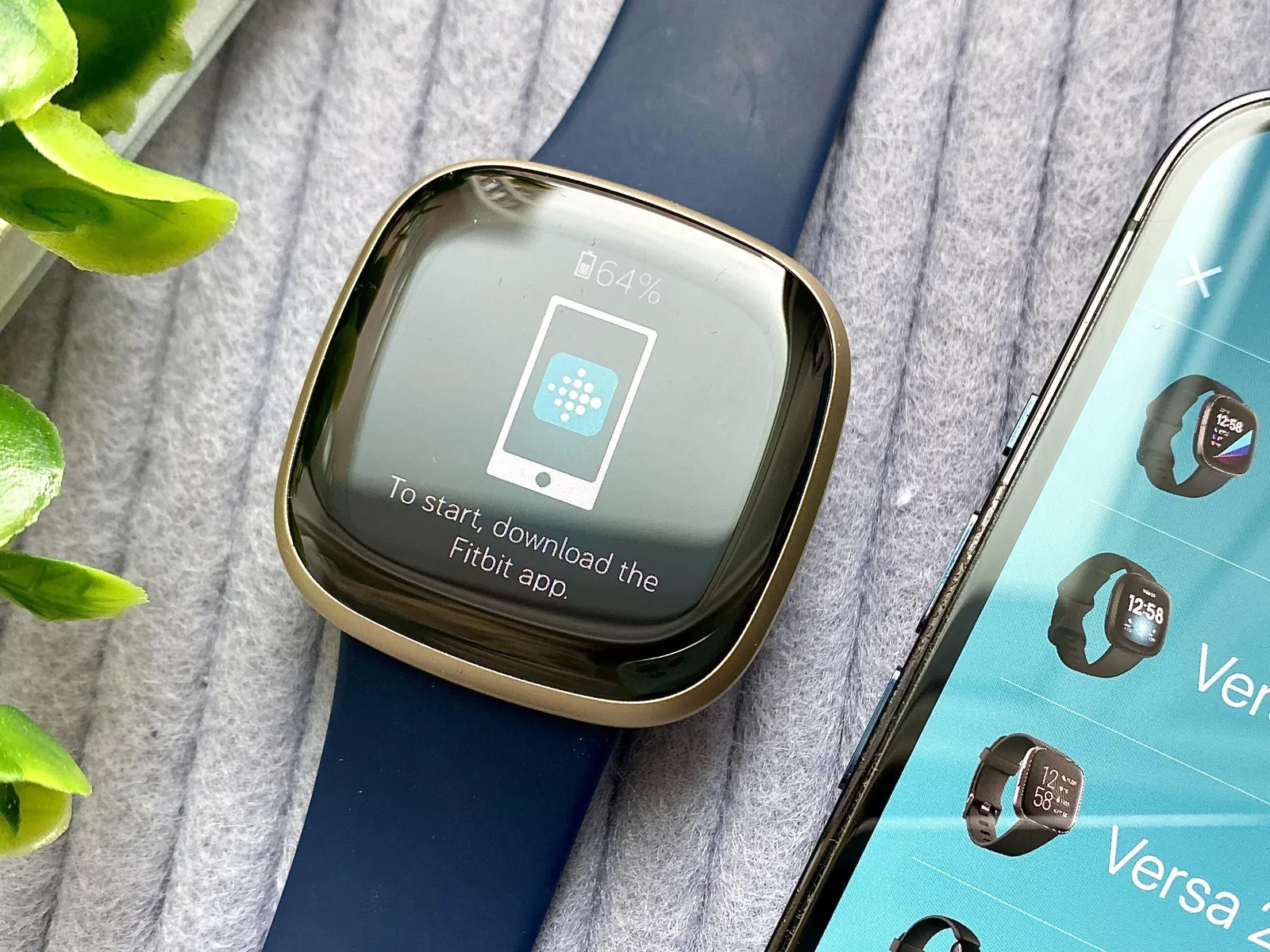
The most common reason for a watch to stop working is a software glitch. Modern smartwatches run complex operating systems that can hang if a background process fails or if the memory becomes cluttered. A forced restart acts like a power cycle on a computer, forcing the system to reload its core files and clear out the stuck processes that are causing your screen to freeze or your touch input to ignore your taps.
Another frequent cause involves the charging hardware. The pins on the back of your watch or the charging cable can collect sweat, skin oils, or debris over time. If these pins don’t make a clean electrical connection, the watch may not charge at all or may start and stop charging repeatedly. This inconsistent power flow can lead to a device that seems dead even when it’s plugged in for hours.
Finally, consider the age of your battery. Lithium-ion batteries have a limited number of charge cycles. If you have used your watch daily for several years, the battery may no longer hold enough voltage to power the screen or the wireless radios.
You can view the official battery care guidelines provided by the Fitbit product help pages to see how to maintain your battery health. If the battery is completely worn out, the device will fail to turn on regardless of the troubleshooting steps you attempt.
Perform a forced restart
If your screen is black or the watch is unresponsive, a forced restart is the first step you should take. This is for users who have a watch that’s physically intact but not reacting to buttons or screen touches. To do this, press and hold the button on the left side of the watch for about 10 seconds. You must keep holding it until you see the Fitbit logo appear on the screen, which indicates the device is rebooting.
Don’t let go of the button too early, as the device needs the full 10 seconds to trigger the hard reset. If the screen remains black after 10 seconds, try the process one more time while the watch is connected to its charger.
Sometimes, a battery that’s critically low needs the external power source to complete the boot sequence. If you see the logo but the watch then returns to a black screen, the issue is likely a hardware failure rather than a software hang.
If you have tried this three times and the watch still doesn’t show the logo, you should stop. Attempting to force a restart repeatedly on a damaged device won’t change the outcome. At this point, the hardware likely has a internal fault that requires a professional inspection. Contact official support channels if the watch is still under warranty, as opening the casing yourself will void any protection you have.
Clean the charging contacts
If your watch isn’t turning on or is losing power quickly, the charging pins might be dirty. This fix is for anyone who suspects their watch isn’t receiving power from the cable. Use a soft-bristled toothbrush to gently scrub the gold-colored pins on the back of the watch and the corresponding pins on the charging cable. Use a small amount of rubbing alcohol on the brush to remove stubborn skin oils or dried sweat.
After cleaning, wipe both surfaces with a dry cloth to ensure no residue remains. Once they’re perfectly clean and dry, reconnect the charger. You should see a battery icon appear on the watch screen within a few seconds. If the icon appears, let the watch charge for at least 30 minutes before trying to turn it on again. A battery that has been sitting at zero percent for a long time often needs this initial “trickle” charge to stabilize.
If you notice that the charging cable feels loose or the pins look bent or discolored, don’t try to bend them back. This can cause a short circuit that damages the watch’s internal power management chip. If the cable is clearly damaged, replacing the cable is a safe and inexpensive fix. If the pins on the watch itself are damaged or missing, the device is likely beyond repair.
Check for firmware updates
When your watch turns on but acts strangely, such as lagging or losing sync with your phone, an outdated firmware version is a common culprit. This fix is for those who can still access the Fitbit app on their smartphone. Open the app and tap your profile icon, then select your watch from the device list. If an update is available, you’ll see a pink banner or an “Update” button near the top of the menu.
Make sure your phone is connected to Wi-Fi and that your watch is sitting on its charger during the update. An update can take up to 60 minutes to complete, depending on the file size and your connection speed. Don’t move the watch away from the charger or close the Fitbit app during this time, as a broken update can leave your device in an unusable state.
If your battery level is below 40 percent, the update button will remain greyed out or hidden entirely. Plug the device into a wall outlet rather than a computer USB port to ensure a steady power draw. If the watch fails to update after three attempts, toggle your phone’s Bluetooth off and on again to clear the cache.
This fix isn’t for devices that refuse to turn on at all. If your watch can’t maintain a connection to your phone for long enough to start the update, skip this step and focus on the power and charging issues mentioned earlier. If the update finishes but the watch still behaves poorly, remove the watch from your app and re-pair it as a new device to flush out lingering software conflicts.
What not to do
Avoid these common actions that often lead to more damage:
Don’t put the watch in water to “clean” the charging ports. Moisture triggers internal corrosion if the seals are already failing. If you see debris, use a dry, soft-bristled toothbrush instead.
Don’t use metal tools like needles or paperclips to scrape the charging pins. This scratches the gold plating and accelerates permanent rust. Once that plating is breached, the pins will fail within weeks due to oxidation.
Don’t place the watch in a freezer or near a high-heat source to “reset” the electronics. Extreme temperatures permanently damage the battery chemistry. If the device is unresponsive, hold the power button for 10 seconds to force a software reboot.
Don’t try to pry open the watch housing with a blade or screwdriver. You’ll break the water-resistant seal and likely snap the delicate ribbon cables inside. If the device requires an internal repair, a professional service center is the only way to maintain its structural integrity.
How to stop it happening again
The way you maintain your watch today determines how well it performs tomorrow. You can prevent most common issues by keeping the contact points free of debris and ensuring the battery doesn’t stay at zero percent for extended periods.
If you wear your watch in the shower, the soap film and high-pressure steam will degrade the rubber seals within weeks. Take it off before bathing to preserve the water resistance rating.
Deep discharge cycles permanently reduce capacity. If your battery hits zero percent, the internal chemistry struggles to recover its original charge density. Aim to place it on the charger once you reach the 20 percent threshold.
Moisture on the charging pins causes immediate corrosion. Even a tiny bead of sweat can create a short circuit that ruins the port. Always dry the pins with a microfiber cloth before connecting the magnetic puck.
Ignoring system updates is a common mistake that leaves your hardware vulnerable to software-induced battery drain. If your watch feels sluggish, check for a firmware patch. Updates often contain specific code to optimize power consumption for your exact model.
Frequently asked questions
How long does a full charge take?
A full charge typically takes about 2 hours when the battery is completely drained. This assumes you’re using the original charging cable connected to a reliable USB power source. If you use a third-party cable or low-power source, charging times may increase significantly.
Is it safe to charge the watch overnight?
Yes, it’s safe to leave the watch on the charger overnight because the internal hardware is designed to stop drawing power once the battery reaches 100 percent. You don’t need to worry about overcharging the lithium-ion battery. However, if your charger or cable shows signs of fraying or heat, you should replace it immediately to prevent a potential fire hazard or damage to the watch’s charging port.
Why is my watch not syncing with my phone?
Your watch may stop syncing if the Bluetooth connection is unstable or the app cache is full. Toggling Bluetooth off and on, then restarting both devices, usually resolves this issue. If problems persist, ensure your app is updated to the latest version.
How do I know if the battery is dead?
The battery is likely dead if the watch shows no life after charging for 2 hours. You can verify this by testing your charger on a friend’s device to confirm it works. If the charger functions elsewhere, the problem is within your watch.
Can I replace the battery myself?
No, you can’t replace the battery yourself because the device is factory-sealed to maintain water resistance. Opening the casing will destroy the waterproof seal and damage internal components. Contact professional support services to discuss repair or replacement options instead.
Conclusion
If your device continues to fail after trying these steps, you should contact official support to see if your warranty covers a replacement. Don’t attempt to repair internal electronics yourself, as this often leads to total device failure.