
If your headset won’t connect or sounds distorted, performing blueparrott b450 xt troubleshooting usually resolves the issue by resetting the pairing cache. Most connectivity problems occur because the headset is still trying to link to a previous phone or tablet. You can fix this by clearing the existing pairing list and starting a fresh connection. If the device remains unresponsive after these steps, check the official BlueParrott support page for specific firmware updates or warranty details.
Troubleshooting BlueParrott connection problems
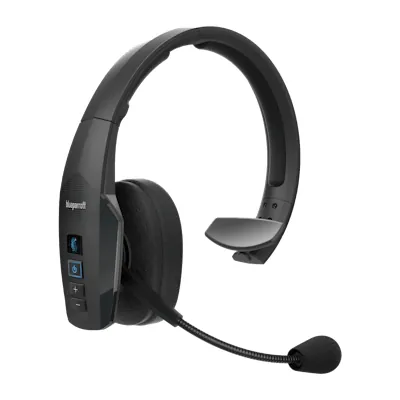
When your headset fails to perform, the root cause is almost always a software conflict or a depleted battery. Bluetooth devices often hold onto old connection data, which prevents them from recognizing a new device. If the headset was recently paired with a different phone, it might be trying to connect to that signal instead of your current one.
Another frequent cause is a low charge. Even if the light turns on, the unit may lack the power needed to maintain a stable Bluetooth handshake. You should always ensure the battery is fully charged before assuming there’s a hardware defect. If the LED status light behaves in an unusual way, like flashing red and blue continuously, it’s typically stuck in a loop and needs a hard reset to clear the memory.
Environment also plays a role. If you’re in a location with many competing wireless signals, the connection might drop. While these headsets are designed for busy environments, extreme interference can overwhelm the internal processor. Always test the device in a quiet area away from other active Bluetooth sources to confirm if the problem is environmental or internal to the headset itself.
Resetting your headset connection
To clear the pairing list, you must put the headset into pairing mode while the device is already powered on. Press and hold the Multi-Function button for about 6 to 10 seconds until the LED starts flashing blue and red. This action wipes the memory of previously connected phones, allowing you to start the pairing process from scratch.
Once the lights flash, open the Bluetooth settings on your mobile device and look for the headset in the list of available devices. Select it to initiate the pairing. If your phone asks for a PIN, enter “0000” as the default code. This process is intended for users who have switched phones or are experiencing persistent “device not found” errors.
If you have tried this twice and the headset still won’t pair, ensure your phone’s Bluetooth isn’t already connected to another accessory, such as a smartwatch or car radio. Bluetooth protocols can sometimes prioritize these other devices over the headset. If you’re using a professional radio or a specialized desk phone, refer to that device’s manual to ensure it supports the standard Bluetooth profile used by your headset.
Improving audio and microphone quality
If callers can’t hear you clearly, the issue is often related to the microphone boom placement. For the best noise cancellation, the microphone should be positioned about one finger-width away from the corner of your mouth. Moving it too far away allows background noise to bleed into the call, while placing it directly in front of your breath causes popping sounds.
Check the volume levels on both the headset and your phone. People often set the phone volume to maximum, which can cause digital distortion. Try setting the phone volume to 70% and then adjust the headset volume using its dedicated buttons. This balance usually provides the clearest sound. If the audio still sounds “robotic,” disable any “audio enhancement” or “equalizer” settings in your phone’s sound menu, as these can conflict with the headset’s internal processing.
If you hear intermittent static, move your phone to a different pocket or closer to your body. Bluetooth signals can struggle to penetrate dense materials like thick leather or metal cases. If you consistently lose audio when walking, it’s likely the signal is being blocked by your own body. If the microphone fails entirely even after repositioning, consult a technician, as this may indicate a broken internal wire in the boom arm.
Handling power and charging errors
When the headset refuses to hold a charge, the issue usually stems from the charging cable or the power source rather than the battery itself. Use the original USB cable provided with the device. Cheap, third-party cables often lack the proper shielding to deliver a consistent charge, which can cause the headset to stop charging prematurely or fail to reach a full state.
If the red charging light doesn’t turn on, try a different wall adapter. Avoid using computer USB ports, as they may not provide sufficient power; if the device feels hot, unplug it and consult a technician.
If battery life drops significantly, it’s a sign of natural chemical aging. Lithium-ion batteries eventually reach a limit where they can no longer hold a charge, requiring a replacement unit.
Mistakes that make problems worse
Forgetting to unpair the old device: Keeping the headset connected to a dormant phone causes the unit to ignore new pairing requests. Before searching for a new signal, toggle Bluetooth off on your previous device to force the headset into discovery mode.
Using a fast-charging phone brick: Plugging the headset into a high-voltage laptop or phone charger can overwhelm the internal circuitry and cause permanent damage. Always check the label for a 5V/1A output. If your brick lacks this rating, charge through a standard USB port on a computer instead.
Forcing the boom arm past its stop: The microphone boom is designed to rotate only to a specific point; forcing it further breaks the internal ribbon cable. If you feel resistance, stop immediately.
Ignoring software updates: Skipping firmware updates causes compatibility issues with newer mobile operating systems. If your audio cuts out during calls, check the manufacturer app for a pending patch.
Cleaning with liquid cleaners: Spraying liquid directly onto the controls can seep into the buttons and short out the circuit board. Use a dry microfiber cloth instead.
Preventing future connection failures
The best way to keep your device working is to treat it as a dedicated communication tool rather than a generic audio device. If you use the headset for professional work, keep your phone’s software updated to ensure the Bluetooth stack remains compatible with the headset’s hardware.
| If you’re doing this | Do this instead | Why |
|---|---|---|
| Leaving it in a hot car | Storing it in a cool, dry place | Extreme heat degrades the battery chemistry |
| Charging via laptop port | Using a dedicated wall adapter | Wall chargers provide stable, consistent power |
| Keeping it paired to 3 devices | Keeping it paired to 1 or 2 | Multipoint connections can cause signal lag |
| Using alcohol wipes on buttons | Using a dry microfiber cloth | Liquids can seep into the internal board |
Most users mistake a temporary glitch for a permanent hardware failure. If your connection drops, toggle your phone’s Bluetooth off for ten full seconds before reconnecting. This forces the device to clear its cache and handshake protocol.
If you find yourself frequently reconnecting, delete the headset from your device’s paired list entirely. Perform a factory reset as directed by your owner’s manual, as maintenance frequency depends on your specific usage.
Frequently asked questions
How long does the battery last on a full charge?
The battery provides up to 24 hours of talk time on a full charge. If performance drops below 10 hours, the battery has likely reached its maximum cycle limit.
Why does my headset cut out when I walk away?
Bluetooth signals reach 300 feet in open spaces, but range decreases significantly with walls or metal obstructions. If audio cuts out, try moving your phone to a different location.
Is it safe to use the headset in the rain?
The headset isn’t waterproof and shouldn’t be used in heavy rain or extreme humidity. Moisture in the charging port or seams can cause internal corrosion.
How do I factory reset the device?
You can perform a factory reset by holding the Volume Up and Volume Down buttons while in pairing mode. This erases all saved connections and restores original settings.
What does it mean when the light flashes purple?
A purple light usually indicates that the headset is in a special diagnostic or update mode, often triggered by holding specific buttons during startup. If this happens, turn the headset off and back on again to return to normal operation. If the light remains purple, it may be stuck in a firmware update cycle and you should connect it to a computer to finish the update using the manufacturer’s software.
How do I know if my headset is broken?
A headset is likely broken if it fails to turn on or if buttons lose their tactile click. Contact the manufacturer for repairs to avoid voiding your warranty.
Conclusion
Once your headset is back in action, take a moment to test the microphone quality by recording a quick voice memo on your phone. If you’re still having trouble hearing clearly, don’t hesitate to reach out to their customer service team. They’re happy to help you get everything working perfectly again.