
The best drones under 250 grams combine sharp video, stable flight, smart safety tools, and easy travel.
A heavy drone can turn a simple weekend flight into a major task. It may need more storage, more setup, and extra rules. Lightweight drones solve much of that problem. They fold into a small bag, launch quickly, and still capture smooth aerial video. I compared five strong options for beginners, travelers, and content creators. My top picks include the DJI Mini 4K, Potensic ATOM SE, and DJI Mini 5 Pro. Before you fly, always check current FAA rules, local airspace limits, and the product listing for the latest details.
See the differences between my top picks at a glance.
DJI Mini 4K
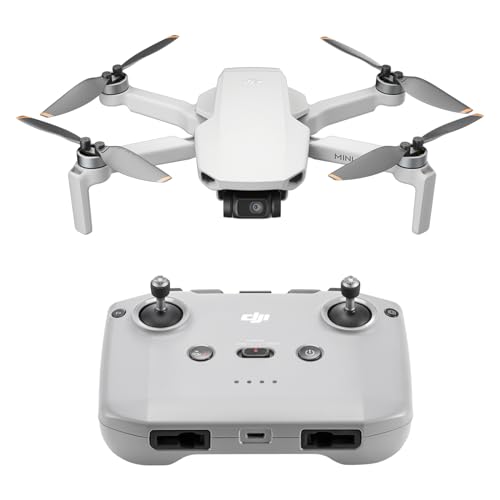
The DJI Mini 4K is my first choice for most new pilots. Its under-249-gram design makes it easy to carry on hikes, road trips, and family vacations. The 4K camera records sharp video, while the 3-axis gimbal helps keep footage steady during normal flight. DJI also adds automatic return-to-home support and a long video transmission range listed at up to 10 km.
This model offers the right mix of price, control, and image quality. Its stated flight time reaches up to 31 minutes, although wind, speed, temperature, and battery use can reduce real flight time. The drone also includes intelligent flight features that help beginners create smoother clips. It does not have full obstacle sensing, so I would still advise slow flying and careful checks before takeoff.
Pros:
- Sharp 4K video for travel and outdoor clips
- 3-axis gimbal supports smooth footage
- Lightweight body fits the under-249-gram class
- Automatic return-to-home adds useful safety support
- Simple controls suit new pilots
- Foldable shape makes transport easy
Cons:
- No full obstacle avoidance system
- Wind can reduce flight time and stability
- Extra batteries and accessories raise the total cost
What Amazon Buyers Are Saying
Buyer feedback commonly focuses on the Mini 4K’s easy setup, stable video, and strong value. New pilots often like the guided controls and the clean image from the gimbal camera. Review patterns also show that many owners enjoy the compact size for travel.
Common complaints usually involve the learning curve, app setup, and the lack of obstacle sensors. Some buyers also note that advertised flight time changes in real use. These points are normal for a small drone and do not remove its strong value, but they matter if you want advanced collision protection.
My Recommendation
I recommend the DJI Mini 4K to beginners who want reliable 4K footage without paying for a professional model. It is a strong everyday choice and one of the best drones under 250 grams for simple travel video. I rate it 4.6 out of 5.
DJI Mini 4K Camera Drone Combo

The DJI Mini 4K Camera Drone Combo builds on the standard model with two batteries. The listing states up to 62 minutes of total flight time, which gives you more time between charging sessions. It keeps the same useful 4K camera and 3-axis gimbal design. That makes it a practical choice for people who plan to fly more than once during a trip.
I see the extra battery as the main reason to choose this package. A single battery can feel short when you spend time setting up, framing shots, and practicing turns. With two batteries, you can land, replace the pack, and continue with less downtime. The drone still needs care around trees, buildings, people, and changing wind because the lightweight body does not include complete obstacle sensing.
Pros:
- Two batteries support longer shooting sessions
- 4K camera records detailed outdoor video
- 3-axis gimbal reduces shake during flight
- Under-249-gram design is easy to pack
- Return-to-home function supports safer recovery
- Good fit for vacations and regular practice
Cons:
- Extra batteries add some kit weight and cost
- No complete obstacle avoidance system
- Real battery time depends on weather and flying style
What Amazon Buyers Are Saying
Amazon buyer patterns for this type of combo often praise the extra battery, compact case size, and smooth 4K footage. Owners who take the drone on trips tend to value the ability to fly again without waiting for a recharge. New users also commonly appreciate the clear controls and steady hover.
The usual concerns include app pairing, signal setup, and the need to learn safe flight habits. Some buyers expect the listed maximum flight time in every condition, but that is not realistic for any small drone. Wind, repeated acceleration, and cold weather can all lower battery performance.
My Recommendation
This combo is worth the modest step up for travelers and new pilots who want more flight time. It offers the same easy-to-use core system as the regular Mini 4K but adds practical battery capacity. I rate it 4.7 out of 5 and consider it one of the best drones under 250 grams for vacation use.
Potensic ATOM SE GPS Drone

The Potensic ATOM SE is a strong alternative to DJI for buyers who want GPS flight and a 4K camera at a competitive price. Its camera uses electronic image stabilization, or EIS, instead of a mechanical 3-axis gimbal. The listing also highlights brushless motors, a foldable body, automatic return, and up to 4 km of first-person-view transmission. It remains in the under-249-gram class stated by the manufacturer.
The ATOM SE can reach a listed speed of up to 16 meters per second in suitable conditions. Its package information also lists up to 62 minutes of flight time, which refers to the included battery setup rather than one uninterrupted flight. GPS support helps the drone hold position and return toward its launch point. I would choose this model for value, but I would choose a gimbal-equipped DJI if smooth camera movement matters most.
Pros:
- 4K camera supports detailed aerial clips
- GPS helps with position hold and return functions
- Brushless motors offer useful power and efficiency
- Foldable design supports easy storage
- Strong value for pilots who want more features
- Fast flight mode suits open outdoor areas
Cons:
- EIS does not provide the same motion control as a 3-axis gimbal
- Listed transmission range is shorter than some DJI models
- Wind and fast moves can affect small-drone footage
What Amazon Buyers Are Saying
Common buyer feedback highlights the ATOM SE’s price, GPS behavior, foldable design, and useful camera output. Many owners like getting a full-size flight experience in a small body. The brushless motors and simple controls also appeal to people who want more than a basic toy drone.
Some buyers report a learning period with the controls, app, and camera settings. Other concerns tend to center on signal range, wind, and expectations about stabilization. EIS can reduce some shake, but it does not work exactly like a physical gimbal, so buyers should understand that difference before ordering.
My Recommendation
I recommend the Potensic ATOM SE for buyers who want GPS, 4K video, and brushless motors while keeping the price under control. It is one of the best drones under 250 grams for value, but video purists may prefer a 3-axis gimbal. My overall rating is 4.4 out of 5.
DJI Mini 5 Pro

The DJI Mini 5 Pro targets pilots who want advanced imaging in an ultra-light body. The supplied listing highlights a 1-inch CMOS sensor, omnidirectional obstacle sensing, ActiveTrack 360°, 225-degree gimbal rotation, and up to 20 km of transmission. These features place it above the basic beginner class. The exact package, battery, and regional specifications should be checked on the current Amazon listing before purchase.
A larger sensor can help a camera gather more light and preserve more detail in difficult scenes. Omnidirectional sensing can also give experienced pilots more awareness around the aircraft, though it does not make careless flying safe. ActiveTrack 360° may appeal to creators who film moving subjects. This is the most feature-rich option here, but it may be more drone than a casual buyer needs.
Pros:
- 1-inch CMOS sensor targets stronger image quality
- Omnidirectional sensing adds advanced awareness
- ActiveTrack 360° supports moving-subject shots
- 225-degree gimbal rotation expands creative camera angles
- Long listed transmission range supports remote viewing
- Ultra-light design remains easy to carry
Cons:
- Likely higher purchase cost than entry-level models
- Advanced features require time to learn
- Buyers must verify current package details and regional specs
What Amazon Buyers Are Saying
For a premium Mini-series model, buyers typically focus on image quality, tracking, obstacle sensing, and the small size. Creators often value the ability to carry a capable camera without using a large bag. Advanced flight tools can also make complex shots feel more manageable after practice.
The most likely concerns involve price, software setup, and the number of settings available. Some pilots may also expect obstacle sensing to prevent every crash, but sensors have limits and can miss thin wires, branches, or difficult lighting. I advise every buyer to learn the safety system and keep visual contact during flight.
My Recommendation
The DJI Mini 5 Pro is the best choice here for serious creators who want premium camera and safety features in a light package. It is not my value pick, but it may be the best drones under 250 grams option for advanced video work. I rate it 4.8 out of 5, subject to confirming the current listing details.
DJI Mini 4K Fly More Combo

The DJI Mini 4K Fly More Combo is built for people who want to fly often. It includes three batteries and lists up to 93 minutes of total flight time. Like the standard Mini 4K, it pairs a 4K camera with a 3-axis gimbal and a lightweight folded body. The larger kit can reduce the need to buy key accessories one at a time.
This package makes sense for travel creators, real estate learners, and families who want longer sessions. Three batteries let you practice several shots before returning to a wall outlet. The total time is a combined figure, not a promise of 93 minutes from one battery. I also recommend carrying batteries in a safe, dry place and allowing them to cool before charging.
Pros:
- Three batteries provide strong total flight capacity
- 4K video and a 3-axis gimbal suit content creation
- Foldable aircraft is simple to transport
- Automatic return supports safer operation
- Useful package for frequent pilots
- Reduces accessory shopping after purchase
Cons:
- Higher upfront price than the single-battery package
- More batteries make the travel kit heavier
- No complete obstacle avoidance system
What Amazon Buyers Are Saying
Buyers who select a Fly More package often praise the freedom that comes from having spare batteries. They also tend to like the compact drone, steady video, and quick setup. Frequent pilots see more value in the bundle because they can use several batteries during one outing.
Common concerns include charging time, kit size, and the difference between total battery time and one-flight time. Some first-time owners may also find the full bundle more expensive than expected. I think those trade-offs are fair when the buyer plans to fly often rather than only test the drone once.
My Recommendation
I recommend this package over the basic Mini 4K for serious hobby pilots and frequent travelers. The three batteries provide the most useful upgrade in the box. It is one of the best drones under 250 grams for long outdoor sessions, earning a 4.8 out of 5 from me.
How to Choose the Best Drones Under 250 Grams
Choosing among the best drones under 250 grams takes more than checking the camera label. A good match depends on camera movement, battery setup, flight tools, and your skill level. I suggest checking the full aircraft weight with the battery and any required accessories. Manufacturers may list weight without some optional parts, so read the current product details before you buy.
1. Check the Camera and Stabilization
Start with the camera system. A 4K label tells you the video resolution, but it does not tell you how smooth the footage will look. A 3-axis mechanical gimbal usually handles movement better than basic electronic stabilization. EIS can still work well for steady flight, but it may show more shake during turns, wind, or fast movement.
Sensor size also matters. A larger sensor may capture more light and detail, especially near sunrise, sunset, or under cloud cover. If you only plan to post short clips online, a basic 4K camera may be enough. If you edit video often, look at gimbal movement, color settings, frame rates, and file quality instead of focusing on resolution alone.
2. Match Battery Life to Your Flight Plans
Manufacturers test maximum flight time in controlled conditions. Your real time may be lower. Wind, cold weather, fast flight, repeated climbs, and high-speed modes all use more power. For that reason, I value spare batteries more than a large maximum number on a product page.
A single battery works for short practice flights. Two batteries suit vacations and casual filming. Three batteries make sense for a long day outdoors. Remember that extra batteries add cost and may affect travel plans. Store and charge lithium batteries as directed, and never use a swollen or damaged pack.
3. Compare GPS, Safety Tools, and Total Value
GPS can help a drone hold its position and support return-to-home functions. These tools help, but they do not replace safe flying. Set the home point before takeoff, watch the battery level, keep the aircraft within legal limits, and maintain visual contact. Obstacle sensing can add another layer of awareness, but no sensor system detects every wire, branch, bird, or fast-moving object.
Also check the controller, transmission range, app support, spare parts, and warranty terms. A low price may not be a good deal if batteries cost too much or support is hard to find. The Potensic ATOM SE offers attractive value, while the DJI Mini 4K packages offer a simpler path for beginners. The Mini 5 Pro targets buyers who will use its advanced camera and tracking tools.
Finally, review the rules where you plan to fly. In the United States, recreational pilots generally need to follow FAA safety requirements, pass the TRUST test, and respect controlled airspace rules. Registration and Remote ID requirements can depend on the drone, its weight, and how you use it. A drone under 250 grams may have a registration benefit for some recreational flights, but that does not remove airspace or safety duties. Check official FAA guidance before your first flight.
Final Verdict: Which Should You Buy?
For most people, I recommend the DJI Mini 4K Fly More Combo. It offers 4K video, a 3-axis gimbal, and three batteries in a travel-friendly package. Choose the Mini 5 Pro for advanced camera work, or the Potensic ATOM SE for strong value.
The best drones under 250 grams make aerial video easier to carry and easier to enjoy. Compare the current price, package, rules, and battery needs before ordering.
FAQs Of best drones under 250 grams
Are drones under 250 grams exempt from FAA registration?
Some recreational drones under 250 grams may not need FAA registration, but pilots must still follow FAA safety rules, pass TRUST, and obey airspace limits. Check current FAA guidance for your exact use.
Which lightweight drone is best for beginners?
The DJI Mini 4K is my top beginner pick. It offers simple controls, 4K video, a 3-axis gimbal, and return-to-home support in a compact body.
Is a 4K drone under 250 grams good for travel videos?
Yes. A 4K drone under 250 grams can capture detailed travel clips while taking up little space. A 3-axis gimbal helps produce smoother footage.
Do drones under 250 grams handle wind well?
Small drones can handle light wind, but strong gusts reduce stability and battery life. Check the manufacturer’s flight limits and avoid flying in unsafe weather.
Should I buy a drone with one battery or a combo pack?
Choose one battery for short practice flights. A combo pack is better for trips, filming, and longer sessions because spare batteries reduce charging breaks.