The best booster seat for special needs delivers strong support, secure restraint, and easy daily use.
Picture the daily car ride or dinner time with a child who needs a bit more structure to feel calm and safe. Maybe they lean to the side when tired. Maybe they unbuckle or wiggle free when anxious or excited. Or maybe they need a soft seat with a five-point harness for meals and therapy at home. The right booster seat turns those hard moments into smoother ones. In this review, I break down real-world options for car travel and table time, so you can find the best booster seat for special needs that fits your child, your vehicle, and your routine.

Merritt Roosevelt Graphite Standard Special…
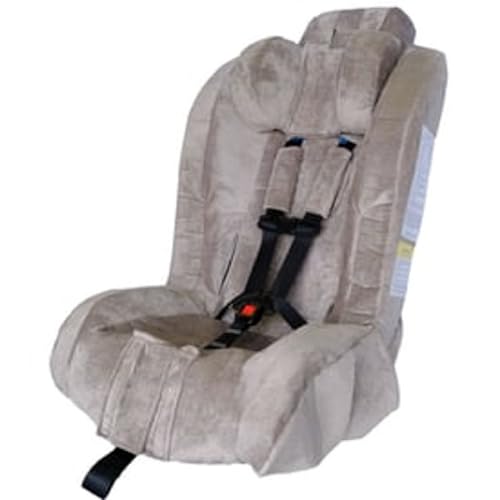
Color: Graphite Padded seat extenders provide optimum seat depth for each leg. Any combination of depths is available. Height from seat bottom to seat top is 30 inches. Our “EZ-Tether”…

Merritt Roosevelt Standard Special Needs…
Colors Available: Shaded Berry, Ocean Blue, Hunter Orange Camo, Total Camo, Turquoise Rain, Midnight Dragon, Citrus Road, Pink Camo, Purple Storm Padded seat extenders provide optimum seat depth for each…
Merritt Roosevelt Special Needs Seat (Graphite)
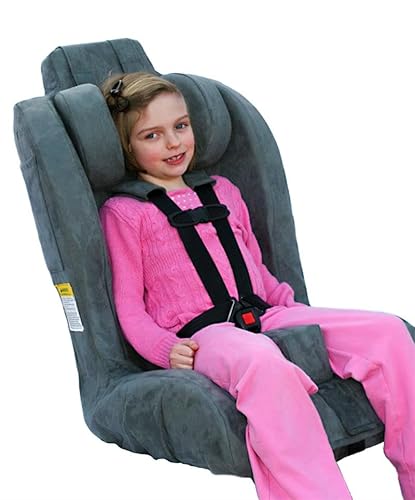
This is a purpose-built special needs child restraint made for bigger kids who still need a harness. The Roosevelt is known for deep side wings, ample padding, and strong hardware that stands up to daily use. The EZ Up headrest adds extra height as your child grows, which helps keep the head centered on sleepy rides. It is designed for children who need more support, more time in a harness, or extra help to stay positioned.
The Roosevelt focuses on secure fit and predictable installs. It works with the vehicle seat belt and top tether, and it meets federal crash-test standards for child restraints. The seat shape and optional pads help kids with low tone or scoliosis sit more upright. For many families, this has been the best booster seat for special needs when a standard booster is not enough.
Pros:
- Extended five-point harnessing for larger kids who need it
- EZ Up headrest offers tall growth room and better head support
- Deep side wings and solid lateral support reduce slumping
- Durable build with hardware designed for daily special needs use
- Meets federal child restraint standards for crash safety
- Optional positioning pads and accessories for a custom fit
Cons:
- Large and heavy; not ideal for frequent car swaps
- Premium price compared to standard boosters
- May need guidance for optimal setup in some vehicles
My Recommendation
If your child needs a medical-grade harnessed solution, this is a top pick. It suits kids who lean, who fatigue on longer drives, or who tend to unbuckle. The secure fit and tall headrest give it an edge for safety and comfort. For many caregivers, it becomes the best booster seat for special needs because it bridges the gap where typical boosters fall short.
| Best for | Why |
|---|---|
| Bigger kids who still need a harness | Extended harnessing and sturdy design |
| Low tone or trunk instability | Deep sides and adjustable head support |
| Caregivers seeking medical-grade security | Crash-tested restraint with robust hardware |
Out & About Special Needs Seat
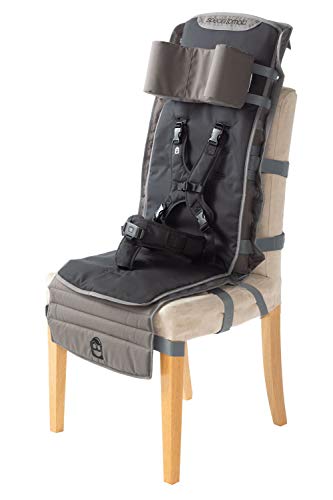
This portable support seat shines for everyday life beyond the car. Think parks, restaurants, bleachers, waiting rooms, and playdates. It adds structure and light restraint so a child can sit and engage more easily. The design is compact and easy to carry, so it lives in your trunk or stroller basket without fuss.
While it is not for vehicle use, it does fill a big gap. Many kids with sensory needs do better with a defined seat, supportive sides, and simple straps. Clean-up is quick with wipeable materials. As a helper for outings, this can be the best booster seat for special needs when you need reliable support away from home.
Pros:
- Lightweight and travel-ready for day-to-day outings
- Provides structure that helps limit sliding and wiggling
- Simple straps for a secure feel and routine
- Easy to wipe clean and maintain
- Fits many chair types and public seating
- Makes community outings more manageable
Cons:
- Not a car seat; no vehicle crash rating
- Limited lateral support compared to clinical chairs
- Weight and size limits vary; check before use
My Recommendation
Pick this for families who need a quick, portable seat to support posture and calm during errands and events. It helps kids stay centered, which reduces stress for everyone. It is not a vehicle booster, but it is a great partner for daily life. For out-of-car support, it might be your best booster seat for special needs on the go.
| Best for | Why |
|---|---|
| Restaurants and community outings | Portable structure and light restraint |
| Kids who slide or slouch on chairs | Supportive sides and defined seating space |
| Caregivers seeking easy cleanup | Wipeable materials save time |
Merritt Roosevelt Seat – Graphite
This listing highlights the same proven Roosevelt platform with the EZ Up headrest in a clean Graphite look. It provides strong torso and head containment with a roomy seat base for comfort. The design respects daily realities: quick wipe-downs, repeat buckling, and durable webbing. It performs when a basic belt-positioning booster is not enough.
For fit, the Roosevelt offers growth range and accessory options to fine-tune posture. The headrest rises for taller kids while keeping the harness at the right level. Many caregivers report more stable rides, less slouching, and easier naps. If you need the best booster seat for special needs that safely harnesses bigger kids, this version delivers.
Pros:
- Secure five-point harness with tall headrest travel
- Robust materials made for special needs settings
- Good lateral containment to reduce lean
- Comfortable base and cushion for longer trips
- Accessory options to personalize support
- Meets current US safety standards for child restraints
Cons:
- Bulky footprint may limit three-across installs
- Higher cost than mainstream boosters
- Learning curve for best belt and tether routing
My Recommendation
Choose this if your child needs extended harnessing and clear, predictable support. It helps with posture, fatigue, and escape attempts. If you have space and want a long-term solution, it is a smart buy. For many families, it stands as the best booster seat for special needs when safety and stability come first.
| Best for | Why |
|---|---|
| Taller children in harness | Headrest grows with the child |
| Side-leaners or low tone | Strong lateral containment |
| Daily commuting | Durable build and easy wipe-down |
5-Point Dining Booster Seat (Grey)

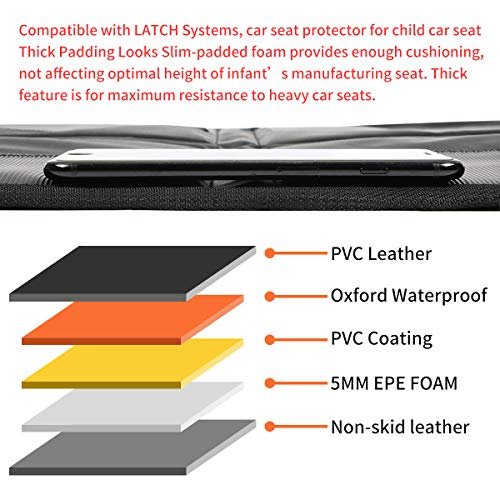
This dining booster adds a five-point buckle, a backrest, and a non-slip base to standard kitchen chairs. It creates a safe, defined space for meals, crafts, and home therapy. The PU cover wipes clean fast, which is a big win in feeding therapy or sensory play. The adjustable straps help it cinch tight to many chair styles.
At home or at grandma’s, it keeps routines consistent. Many kids sit longer and focus more when the seat supports them well. The gentle containment also reduces sliding and leaning. For meal times, it can be the best booster seat for special needs if you want a simple, secure setup.
Pros:
- Five-point harness supports posture and safety
- Non-slip bottom adds stability on chairs
- PU waterproof cover wipes clean in seconds
- Backrest offers light trunk support
- Adjustable straps make a snug fit
- Good for feeding therapy at home
Cons:
- Not for vehicle use
- Fixed seat height may not match every table
- Harness can be stiff for quick on/off
My Recommendation
Use this for toddlers and young kids who benefit from a five-point buckle at the table. It helps reduce wriggling and improves focus during meals. If you need consistent seating for therapy or homework, this will serve you well. For home routines, it is often the best booster seat for special needs at the dining table.
| Best for | Why |
|---|---|
| Feeding therapy | Five-point harness and stable base |
| Messy eaters and sensory play | Waterproof cover for quick cleanup |
| Multi-chair households | Adjustable straps fit most chairs |
TOTIDYH Dining Booster with Backrest

This kitchen chair booster blends a cushioned seat, a small backrest, and adjustable straps into a travel-friendly package. It is firm enough to add height, yet soft enough for longer sits. The non-slip base improves predictability for kids who notice every wobble. The PU finish wipes clean after meals and art projects.
It is a simple, low-cost tool that supports routine and posture. Kids who lean or perch gain a clear zone to sit. Caregivers get a fast setup that works across many chairs. In the home category, it is an easy pick for the best booster seat for special needs when you want comfort and control.
Pros:
- Comfortable cushion with gentle back support
- Adjustable straps secure to varied chair styles
- Non-slip base adds stability and confidence
- Waterproof cover is quick to clean
- Lightweight for travel or visits
- Budget-friendly option for families
Cons:
- Not a car seat; no crash rating
- Backrest is small; not full trunk support
- May be outgrown faster for taller kids
My Recommendation
Choose this if you need a comfy, portable dining booster that still feels secure. It supports better posture and calmer meals without a steep price. It is also easy to bring along to caregivers or restaurants. For home use, it earns a spot in the best booster seat for special needs lineup.
| Best for | Why |
|---|---|
| Everyday meals | Stable, comfortable, and easy to clean |
| Travel between homes | Lightweight and simple to secure |
| Budget-focused families | Solid value without loss of basics |
TOTIDYH Waterproof Travel Booster

This version focuses on portability and quick setup. It straps on tight, adds helpful height, and cleans up fast with a waterproof shell. The backrest keeps smaller kids from scooting back off the seat. A non-slip base improves confidence, which often leads to fewer reminders to “sit still.”
It is a great tool for grandparents, babysitters, and therapy sessions. Many families keep one in the car for unplanned stops. It makes sitting feel safe and clear, which reduces anxiety. In dining use, it competes as the best booster seat for special needs when convenience matters most.
Pros:
- Portable and quick to secure
- Waterproof, wipe-clean surface
- Backrest adds gentle guidance and safety
- Non-slip base reduces chair movement
- Good for visits and shared care
- Affordable price for a second seat
Cons:
- Not suitable for car travel
- Limited lateral support
- Seat height and angle are fixed
My Recommendation
Grab this as your “always ready” dining booster. It is fast to set up, easy to clean, and comfortable enough for everyday use. It helps a child feel grounded in different places. For families on the go, this may be the best booster seat for special needs to keep in the trunk.
| Best for | Why |
|---|---|
| On-the-go meals | Portable and quick to attach |
| Shared caregiving | Easy for grandparents to use |
| Kids who dislike seat changes | Consistent feel across locations |
Chicco KidFit ClearTex Plus 2-in-1 Booster

The KidFit ClearTex Plus is a belt-positioning booster that converts from high back to backless. It suits older kids who have the maturity to sit upright and follow belt rules. Chicco’s DuoGuard design adds head and torso impact protection, and the 10-position headrest helps dial in belt fit. The ClearTex fabric has no added chemical treatments, which can be a big plus for sensory comfort.
Installation is simple, and the LATCH connectors (availability varies by trim) help the seat stay put when unoccupied. Kids like the cup holders and soft padding. Parents like the predictable belt routing and easy-to-wash covers. For the right child, this can be the best booster seat for special needs who are booster-ready but need gentle structure.
Pros:
- High-back to backless flexibility
- 10-position headrest for precise belt fit
- DuoGuard head and torso protection
- ClearTex fabric with no added chemical treatments
- Comfortable padding and kid-friendly features
- Good belt guides for consistent placement
Cons:
- Not a harness; child must be booster-ready
- Wider footprint may limit three-across
- Some trims may lack LATCH; check your exact model
My Recommendation
Pick this for kids who can sit still, keep the belt in place, and prefer a soft, quiet fabric. The headrest and torso wings help with posture and side support. It is an easy daily driver with premium comfort. For booster-ready children, it can be the best booster seat for special needs thanks to its supportive shape and simple use.
| Best for | Why |
|---|---|
| Booster-ready kids (40–100 lb) | Consistent belt fit and comfort |
| Sensory-sensitive riders | Soft ClearTex fabric with no added chemicals |
| Families wanting growth | Converts to backless when ready |
Graco TurboBooster 2.0 Highback (Declan)

Graco’s TurboBooster 2.0 gives reliable belt positioning at a budget-friendly price. The highback helps guide the shoulder belt and offers head support for naps. Many versions convert to a backless booster as your child grows. The seat is lightweight and easy to move between cars.
The belt guides and open loops are forgiving, which helps with independent buckling. Padding is modest but comfortable for daily use. If your child can sit upright and follow belt rules, it is a strong starter option. For some families, this becomes the best booster seat for special needs who are ready for a standard booster with supportive wings.
Pros:
- Affordable and widely available
- Highback support for better belt fit
- Converts to backless in many trims
- Lightweight for carpool or travel
- User-friendly belt guides
- Kid-approved cup holders
Cons:
- No harness mode for extra support
- Some models lack LATCH anchors
- Padding and fabric are basic compared to premium seats
My Recommendation
Choose this if you want a simple, proven booster for a child who is booster-ready. It’s easy to use, easy to move, and easy on the wallet. The highback helps maintain posture and belt placement. For many kids, it’s the best booster seat for special needs at the low to mid price point.
| Best for | Why |
|---|---|
| Budget-conscious families | Strong value without complex setup |
| Carpool and travel | Lightweight and portable |
| Booster beginners | Highback guides belt and posture |
Graco Tranzitions 3-in-1 Harness Booster

The Tranzitions gives you three modes: forward-facing harness, highback booster, and backless booster. It is a great middle ground for kids who need more time in a harness before moving to a belt-positioning booster. The no-rethread headrest and harness make growth adjustments simple. It is also narrow and lighter than many competitors, which helps in small cars.
For behavior or sensory needs, a harness can reduce unbuckling and help the child feel secure. When the time is right, you can switch to booster mode. This flexibility makes the seat a long-term value. For many families, the Tranzitions is the best booster seat for special needs because it adapts with the child.
Pros:
- Three modes cover years of use
- Harness mode supports kids who need more structure
- Narrow and relatively lightweight
- Easy headrest and harness height adjustments
- Budget-friendly for the flexibility offered
- Machine-washable cover (check your manual)
Cons:
- Less plush than premium models
- Shallower recline; upright fit in some cars
- Bulky cup holders on tight back seats
My Recommendation
This is a go-to when you want extended harnessing without a medical-grade seat. It suits kids who are close to booster-ready but still need the harness for safety and routine. Later, it becomes a capable highback booster. As a flexible, long-use pick, it often ranks as the best booster seat for special needs across changing stages.
| Best for | Why |
|---|---|
| Kids needing extra time in a harness | Secure 5-point mode with easy growth |
| Small vehicles | Narrow footprint helps fit |
| Families planning long-term use | 3-in-1 modes extend value |
Cosco Topside Backless Booster (Leo)

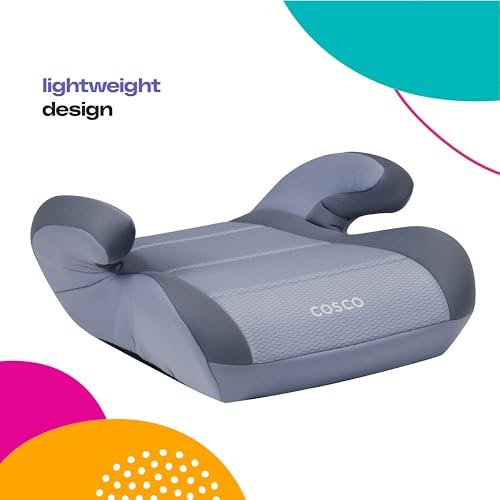
The Topside is a light, simple backless booster that lifts the child so the seat belt fits. It is great for carpools, travel, or kids who do well with minimal structure. The cushion is comfy enough for short to medium trips. Its small size helps with three-across in tight back seats.
Because it is backless, kids must sit upright all ride long and keep the belt properly placed. There is no LATCH, so remember to buckle it in when not in use to keep it from becoming a projectile. When maturity is high and needs are mild, this can be the best booster seat for special needs as a backup or travel seat.
Pros:
- Very lightweight and portable
- Budget-friendly and easy to find
- Small footprint for tight spaces
- Soft cushion for comfort
- Great for carpools and rideshares
- Simple to use for older, ready kids
Cons:
- No back or head support
- No LATCH; must secure when empty
- Requires strong seating posture and maturity
My Recommendation
Use this for older children who are steady sitters and follow seat belt rules. It’s ideal as a spare or travel booster. I would not use it if a child still leans or naps often in the car. But as a light, cheap option, it can still be the best booster seat for special needs in very specific, booster-ready cases.
| Best for | Why |
|---|---|
| Older, booster-ready kids | Simple lift for proper belt fit |
| Carpools and travel | Lightweight and compact |
| Three-across seating | Small footprint helps fit |
FAQs Of best booster seat for special needs
What makes a booster seat good for special needs?
It should support posture, manage leaning, and keep the belt in place. Helpful features include head and torso wings, stable padding, and clear belt guides or a harness. Easy cleaning and reliable installation also matter.
Should I pick a harnessed seat or a belt-positioning booster?
Use a harness if your child cannot sit upright for the whole ride, often unbuckles, or needs extra trunk support. Move to a belt-positioning booster only when your child meets age, size, and behavioral readiness.
Are mainstream boosters safe for kids with autism or ADHD?
Yes, if your child is booster-ready and can keep the belt positioned. Choose models with strong head and torso support, like highback boosters with good belt guides. If in doubt, use a harnessed option first.
Can insurance help pay for special-needs car seats?
Sometimes. Some plans cover special-needs restraints with a prescription and documentation. A certified child passenger safety technician or therapist can help with letters of medical necessity.
How do I know the seat fits my vehicle and child?
Check your vehicle manual and the seat manual for rules and weight/height limits. Test the seat in your car if you can. Aim for a snug install and a belt or harness aligned to your child’s size and posture.
Final Verdict: Which Should You Buy?
If your child needs firm posture support and a harness, the Merritt Roosevelt is a standout. If you want flexible long-term use, the Graco Tranzitions bridges harness to booster well. For booster-ready kids who want comfort, the Chicco KidFit ClearTex Plus is easy and supportive.
Your best booster seat for special needs depends on posture, behavior, and growth. Match the seat to your child’s readiness and your car. When in doubt, keep the harness longer for safety and calm rides.