
If your boat isn’t moving or is losing power, performing udi rc venom boat troubleshooting usually involves checking the battery connection, clearing the propeller of debris, and ensuring the transmitter is synced correctly. The most common cause for these issues is a low battery charge or a loose connection between the battery pack and the internal receiver. Always verify that the battery is fully charged before you start looking for more complex mechanical problems.
Troubleshooting your Venom boat issues
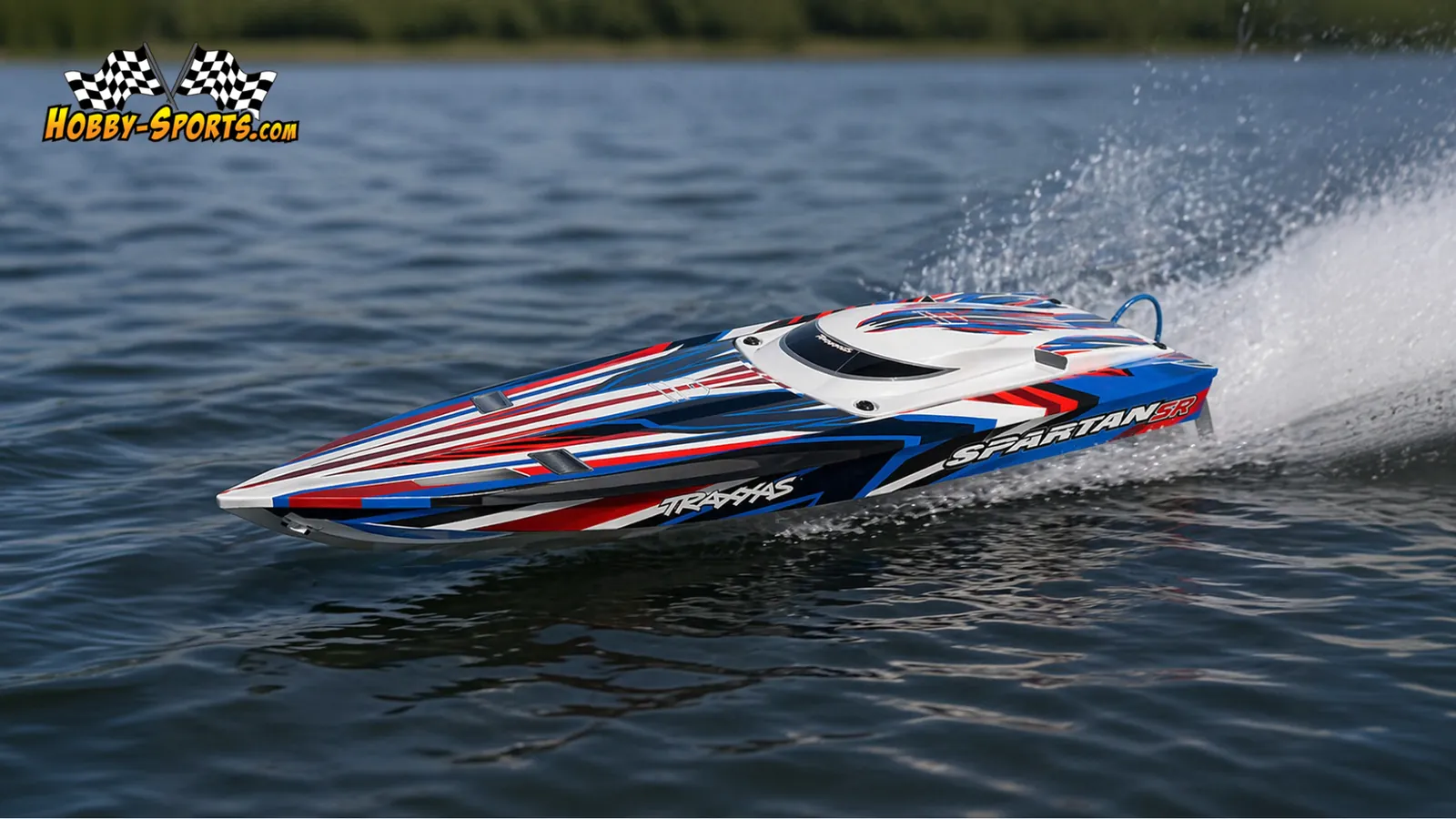
The primary reason these boats stop responding is a break in the signal or a sudden loss of electrical power. The receiver inside the hull relies on a steady voltage from the battery pack. If the voltage drops below a certain threshold, the boat will simply stop to prevent permanent damage to the electronic components.
One frequent cause is physical interference with the drive system. If you run the boat in water with weeds, fishing line, or plastic debris, the propeller shaft can become jammed. When the motor tries to turn against this resistance, it draws too much current, which often triggers an automatic safety cutoff.
In some cases, the transmitter and receiver lose their “binding” or sync. This happens if the boat is turned on before the remote, or if the batteries in the remote are too weak to maintain a consistent radio link across the water.
Check the battery and connection points
This fix is for owners who find that the boat won’t start or loses power shortly after launch. Before you assume the motor is dead, inspect the physical battery leads. If the wires look frayed or the plastic connector is loose, the boat will experience intermittent power drops. You must ensure the battery is fully charged using the provided USB cable until the indicator light shows a solid status.
If the battery is charged but the boat remains unresponsive, unplug the connector and look for corrosion or debris inside the metal pins. If you see any green or white buildup, use a dry, soft-bristled brush to gently clean the contacts.
Never use water or liquid cleaners on these connections, as this will cause a short circuit. If the connector feels loose, it may need to be replaced by a professional technician; attempting to solder these connections yourself without proper training can result in a fire hazard or permanent damage to the circuit board.
Once you have confirmed the connection is secure, turn on your remote first, then turn on the boat. This order allows the receiver to “handshake” with the transmitter. You’ll know this worked when the LED indicator on the transmitter stops blinking and stays solid. If the boat still doesn’t respond after these steps, the battery pack itself may have reached the end of its life cycle and might require a replacement.
Clear the propeller and drive shaft
This fix is for boats that make a humming or buzzing sound but don’t move forward. The propeller is the most vulnerable part of the system when it comes to debris. Even small bits of aquatic vegetation can wrap around the shaft, preventing the motor from spinning freely. You should always inspect the propeller after every session in the water to ensure the path is clear.
Look closely at the base of the propeller where it meets the hull. If you see anything wrapped around the metal shaft, use a pair of tweezers to pull it out. Don’t pull with excessive force, as you could bend the delicate metal shaft. If the propeller feels stiff when you try to turn it by hand, there’s likely debris deep inside the housing that you can’t see.
This fix isn’t for those who want to take the motor housing apart. If the propeller is clear but the motor still won’t turn, the internal drive gears may be stripped. If you hear a grinding noise, the gears have likely failed due to excessive stress.
At this point, the boat requires professional repair or a replacement of the drive assembly. If you aren’t comfortable assessing internal mechanical resistance, take the unit to a hobby shop to have the drive train checked by someone with the right tools.
Rebind the transmitter and receiver
This fix is for cases where the boat ignores your steering or throttle inputs. Radio interference or a power drop can cause the boat to “forget” the transmitter. Most models have a specific binding sequence that forces the two devices to find each other again. This is a common solution when the boat turns on but doesn’t react to the remote control sticks.
To rebind, place the boat in the water, turn the transmitter on, and wait for the light to blink. Then, turn the boat on while keeping it within a few feet of the transmitter. Move the throttle stick from the bottom to the top and back to the bottom once.
If the light on the transmitter turns solid, the connection is restored. If it continues to flash, move the boat to a different area away from large metal structures or other radio-controlled toys that might be causing signal interference.
This process is generally quick, but it requires that your transmitter batteries have enough power to send a strong signal. If the remote batteries are low, the signal will be too weak to complete the binding process even at close range. If you have tried this three times and the light still flashes, the receiver inside the boat may have failed. This is a hardware issue that usually requires a component replacement rather than a simple software fix.
Avoid common mistakes with your boat
- Running the boat in saltwater: Salt residue dries on the motor and electrical pins, leading to rapid corrosion that permanently ruins the electronics.
- Forcing the motor when jammed: Trying to “power through” a tangle of weeds will burn out the motor windings, which is a total loss for the unit.
- Ignoring the range limits: Operating the boat too far away causes the signal to drop, which can lead to the boat drifting away or losing control entirely.
- Storing the battery fully charged: Keeping a lithium battery at 100% for weeks causes it to swell and lose capacity, so store it at half-charge instead.
Keep your boat running smoothly
If you’re doing this | Do this instead | Why | :— | :— | :— | | Leaving the boat wet | Wipe it dry after use | Moisture causes rust on internal parts | | Charging for too long | Follow the manual’s time limit | Overcharging damages the battery chemistry | | Using in shallow, dirty water | Use only in clear, deep water | Debris jams the propeller and motor | | Storing in a hot car | Store in a cool, dry place | Extreme heat ruins the internal electronics |
Most owners fail by leaving the boat in the water between sessions. This leads to algae buildup that creates drag and degrades the hull finish within weeks. If you see green slime, scrub it off immediately.
Never charge your battery while it’s still hot from a run. Wait at least twenty minutes for the cells to reach ambient temperature.
If the motor sounds like it’s grinding, stop the propeller instantly. Debris caught in the drive shaft can melt the plastic housing if the motor continues to spin against the resistance. If the boat feels sluggish after a hit, check the shaft for tangled fishing line or weeds before you try to power it up again.
Frequently asked questions
How long does the battery last on a charge?
Most batteries last 10 to 15 minutes of continuous use, depending on speed and water conditions. Running at full throttle will result in runtime on the lower end of that range. Always check your specific manual for exact capacity.
Is it safe to use this boat in a pool?
Yes, it’s safe to use in a pool, provided the water is free of heavy chemicals that might damage the hull. Wipe the boat down with a damp cloth after use in chlorinated water to prevent long-term wear.
Why does my boat turn in circles?
Your boat turns in circles because the rudder trim isn’t centered or the propeller is damaged. Adjust the trim dial on your transmitter until the boat travels straight. Inspect the propeller for nicks if the boat still pulls to one side.
How do I know if the motor is burned out?
You know the motor is burned out if you smell a metallic odor or if it gets extremely hot while stationary. If the motor doesn’t spin after clearing debris, the internal components have likely failed. You must replace the entire motor unit.
What happens if the boat loses signal?
If the boat loses signal, it will typically drift with the current until it hits an obstacle or the battery dies. Most modern receivers automatically cut power to the motor upon signal loss. Try moving closer to the water to re-establish connection.
Can I replace the antenna on the remote?
No, you can’t replace the antenna on most modern controllers because it’s integrated into the circuit board. A sudden drop in range is usually caused by low remote batteries or external interference. Don’t attempt to open the remote case.
Conclusion
If you have tried all the steps above and the boat still fails to operate, the issue likely lies within the internal circuit board or the receiver module. At this point, you should contact the manufacturer’s customer support or visit a local hobby shop for a professional diagnosis. Don’t attempt to open the sealed housing or modify the electronics yourself, as this can create safety risks and permanently damage the device.