
A traxxas receiver blinking red usually means the transmitter and receiver have lost their connection, also known as a binding error. It’s safe to keep your vehicle powered on while you troubleshoot this, as the blinking light simply indicates the unit is in a “fail-safe” or “unbound” mode. To confirm this is the issue, check if the steering and throttle servos respond to your controller; if they do not, the receiver isn’t receiving a valid signal.
Understanding your Traxxas receiver blinking red
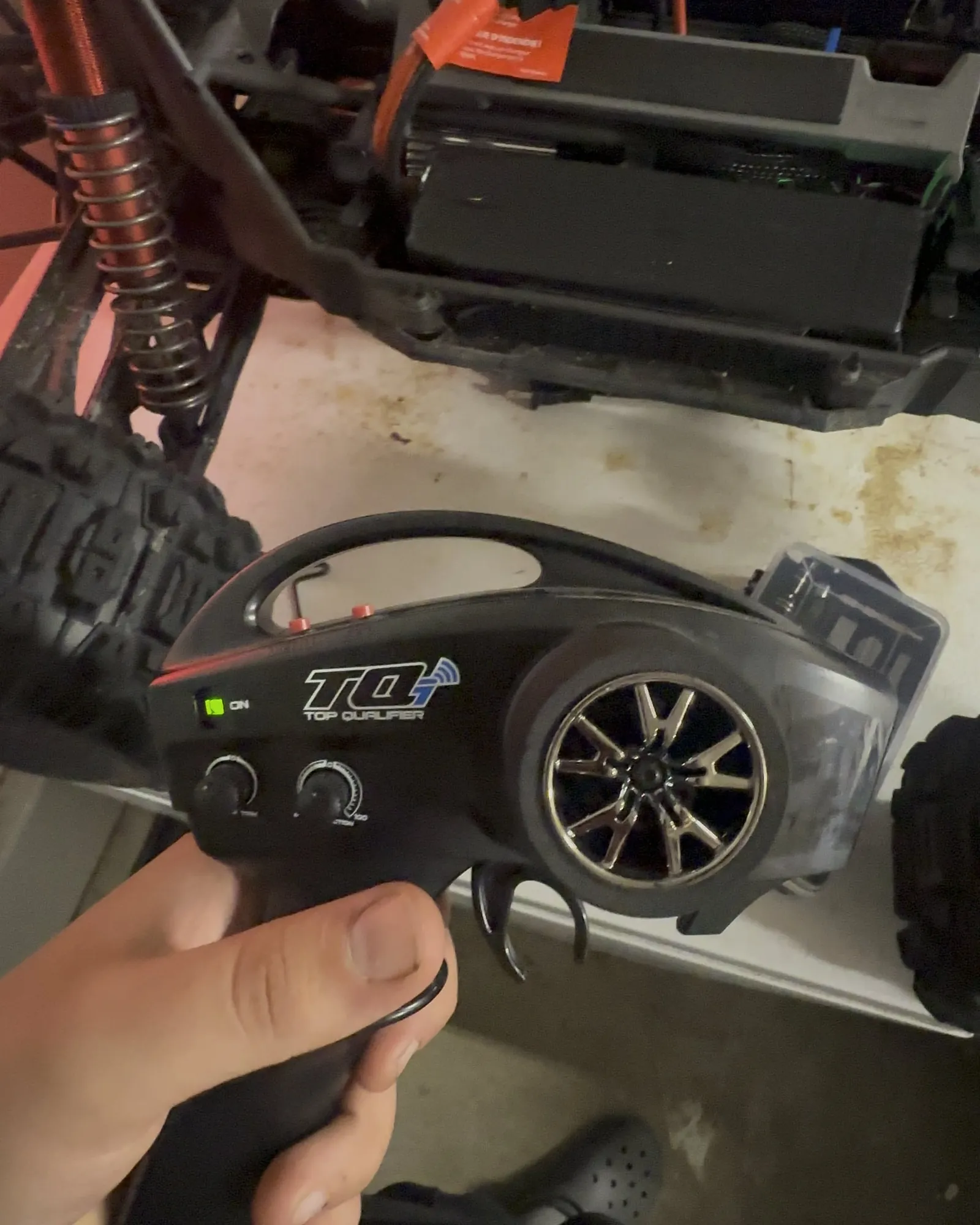
When you look at your receiver, the light color and pattern tell you exactly what the unit is doing. This table helps you identify if the connection is active or if the device is waiting for a signal.
| What you notice | What it usually means | What to do first |
|---|---|---|
| Solid green light | Normal operating mode | No action needed |
| Slow blinking red | Transmitter not found | Re-bind the transmitter |
| Rapid blinking red | Binding mode active | Press the link button |
| No light at all | No power reaching unit | Check battery connection |
| Solid red light | Signal error or failure | Power cycle the system |
If you notice a rapid red flash, the receiver is likely ready to pair with your controller. If the light remains slow, it can’t find the signal it expects from your specific remote.
Most users assume a solid red light indicates a dead battery, but this is a common mistake that wastes time. You should always power cycle the system by unplugging the unit for at least ten seconds before checking your battery voltage.
If your receiver shows no light despite a fresh battery, inspect the pins inside the connector port. A single bent pin prevents the circuit from closing, which costs users an entire replacement unit when a simple nudge with a needle would have fixed the connectivity issue. You must wake it by toggling the physical power switch on your transmitter.
Re-binding the transmitter to the receiver
A loss of binding is the most common reason for a blinking red light, often triggered by battery changes or localized signal interference. To fix this, you must force both devices into pairing mode so they can rediscover one another. This process assumes you’re using a standard Traxxas TQ or TQi system; if you’re using an older frequency crystal model, these steps won’t work.
First, turn off your transmitter. Press and hold the “SET” button while turning the power back on. The LED on the transmitter will blink red slowly, signaling it’s ready to search. Now, press and hold the “LINK” button on the receiver while you plug in the vehicle battery. Release the button the moment the receiver light starts blinking red.
Wait five seconds for the lights on both units to turn solid green. This indicates the link is restored. If the lights remain red, have a technician inspect the transmitter batteries for proper power levels. Low voltage prevents the handshake, often causing the system to time out during the search phase.
If you have a second vehicle nearby, keep it turned off during this process. Interference from a second active receiver often causes the handshake to fail, leaving you stuck in a loop of blinking lights.
People often make the mistake of plugging the battery in before holding the link button. This forces the receiver to boot normally rather than entering pairing mode. If you miss the sequence, unplug the battery and wait ten seconds before starting over.
Signal interference and range issues
Sometimes the receiver blinks red because it’s receiving a corrupted signal rather than no signal at all. This happens if you operate the vehicle near large metal objects or other high-frequency radio sources. If the receiver blinks red only when the car is far away, you likely have a range issue caused by a damaged or kinked antenna wire.
Check the antenna wire for any visible breaks or sharp bends. If the wire is cut or shortened, the receiver can’t pick up the full signal, which causes the connection to drop intermittently. Always keep the antenna wire straight and away from metal chassis components or battery leads.
If the antenna looks healthy, try moving away from potential sources of interference, such as power lines or other RC cars. If the red light stops blinking when you bring the car closer to your feet, the issue is environmental.
If the light persists even at close range, perform a bench test in a neutral location away from all electronics. If the system functions perfectly in isolation but fails at the track, you’re dealing with localized RF noise. In that case, switch your transmitter to a different frequency channel if your model allows.
Power supply and electrical faults
A loose or damaged power cable can cause the receiver to reset itself, leading to a blinking light. When the power dips, the receiver restarts and searches for the transmitter signal, which it interprets as a loss of connection. Inspect the wire leading from your electronic speed control (ESC) to the receiver. Tug gently on the connector pins; if a wire pulls free or the insulation looks pinched, replace the entire harness immediately.
If the red light blinks every time you turn the wheels, your steering servo might be drawing too much power, causing a voltage drop. This is a common mistake where a failing servo creates a “brownout” for the receiver. If you suspect an issue, have a technician test the servo’s current draw under load. If your servo is aging, internal resistance spikes, forcing the ESC to starve the receiver of necessary voltage.
If you have a spare servo, plug it into the steering channel to see if the red light stops blinking. If the light stays solid with the new servo, the old one was the cause of your electrical drain. If the blinking persists, the issue lies within the ESC’s internal battery eliminator circuit (BEC). In that case, you must install an external BEC or a dedicated receiver pack to provide a stable, independent power source for your electronics.
When to seek professional repair
You should stop trying to fix the receiver yourself if you notice signs of physical damage or recurring electrical failure. These units are sealed electronics; attempting to open the case usually voids your warranty and can lead to permanent short circuits.
A burnt, sharp chemical odor is the most critical warning sign. If you smell this, the internal board has already suffered a catastrophic failure. Don’t plug the unit back in to test it, as a shorted board can draw excessive current and potentially destroy your transmitter or battery.
If the unit was submerged and now blinks red, the internal sensors are likely corroded. Even if it dries out, microscopic salt deposits remain. These create intermittent bridges across circuits that will cause the unit to fail at the worst possible moment.
If you have performed the bind process three times and the light still blinks red, the internal radio chip is likely faulty. If the receiver case is cracked after a high-speed crash, internal components may be loose or detached.
If your receiver meets any of these criteria, don’t continue using it. Contact your local hobby shop or reach out to the manufacturer for a replacement. A faulty receiver causes a loss of control at high speeds, which is a significant safety risk. If you’re unsure, perform a range test on the ground away from obstacles. If the signal drops within fifty feet, the internal antenna connection is compromised and the unit must be replaced.
Frequently asked questions
Can I bind a receiver to two different transmitters?
No, a receiver can only be bound to one transmitter at a time. The binding process creates a unique digital ID between the two devices, meaning the receiver will ignore any signal that doesn’t match that specific ID. If you have two transmitters, you must perform the binding steps every time you switch between them, as the second one will overwrite the memory of the first.
How long does the binding process take?
The entire process takes about 60 seconds to complete once you have the transmitter and receiver ready. This assumes you have fresh batteries in both the transmitter and the vehicle. If the devices fail to link after one minute of searching, power everything down and start the sequence over from the beginning, ensuring you’re pressing the buttons in the correct order.
Is it safe to drive with a blinking red light?
No, you should never drive a vehicle if the receiver is blinking red. A blinking light means the receiver isn’t in constant communication with the transmitter, which usually results in the vehicle failing to respond to your steering or throttle inputs. This lack of control can lead to high-speed crashes, which can damage your vehicle or cause injury to people nearby.
What happens if I lose the signal while driving?
Your vehicle will enter its “fail-safe” mode, which usually brings the throttle to a neutral position to prevent the car from running away. This is a built-in safety feature designed to protect the vehicle when the link is broken. If this happens often, you must check your antenna placement and ensure your transmitter batteries are fully charged before attempting to drive again.
Does the age of the receiver matter?
Yes, older receivers may struggle to maintain a link if the internal capacitors have degraded over time. Check the manufacturing date on your unit if you’re unsure, and consider upgrading to a newer model if the connection fails repeatedly.
Why does the red light blink when I turn?
A blinking light during steering typically indicates a voltage drop caused by a faulty steering servo. When the servo pulls more power than the receiver can provide, the receiver resets and briefly loses its connection to the transmitter. You can confirm this by unplugging the steering servo and seeing if the light remains solid while you move the throttle trigger on the transmitter.
Conclusion
If your remote still won’t link up after trying these tips, don’t get discouraged. Sometimes a simple factory reset of your transmitter is all it takes to clear the glitch. If that doesn’t work, reach out to the manufacturer’s support team; they’re usually happy to help you get back on the track.