
You can fix common traxxas m41 problems by tightening the drive dog and checking the stuffing tube alignment before every run. The most frequent issue involves the flexible cable loosening, which causes a loss of power or excessive vibration at high speeds. If you notice the boat rattling or losing top-end speed, check the coupler first. You can find official maintenance guides and part diagrams on the Traxxas M41 support page.
Causes of Traxxas M41 performance problems
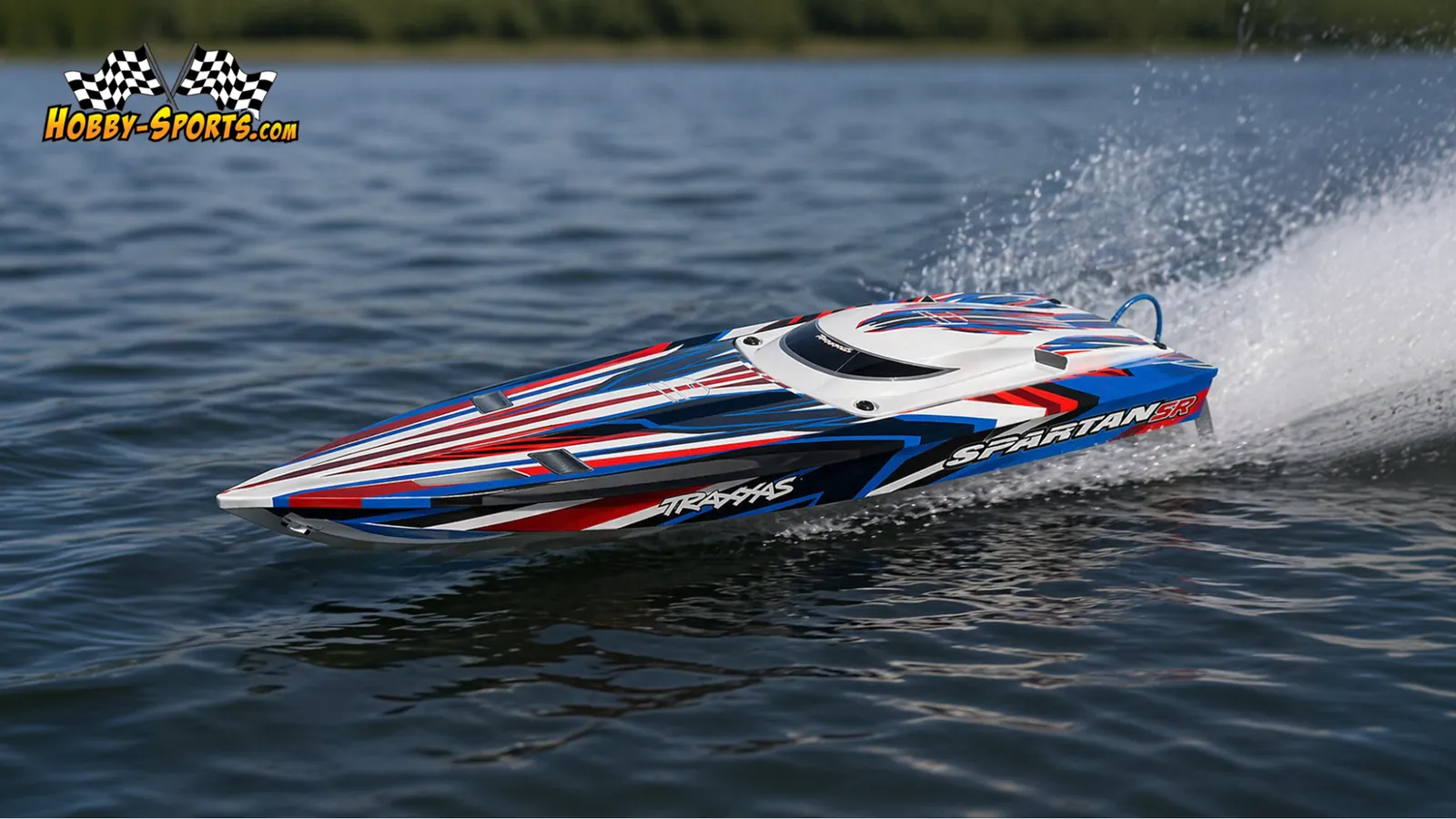
Most issues with this catamaran stem from the high-speed nature of the hull and the stress placed on the drivetrain. When the boat runs at high speeds, the vibrations can cause the motor mount screws or the coupler set screws to back out slightly. This creates a misalignment between the motor and the propeller shaft, leading to heat buildup and power loss.
Before every outing, apply a drop of medium-strength thread locker to these fasteners. If you notice a high-pitched whine during acceleration, stop immediately; this sound indicates the coupler is slipping, which will melt the plastic components if left unchecked.
Another cause is water intake blockage. If the cooling system picks up debris, the motor and electronic speed control (ESC) will overheat. The internal thermal protection will then trigger, causing the boat to slow down or stop completely to prevent permanent damage.
You should always check the water pickup on the rudder to ensure it’s clear of weeds or silt. If the boat loses power mid-run, check the discharge lines for a steady stream of water. No flow means you must clear the intake or risk burning out the ESC.
Finally, battery health plays a major role in performance. If you use batteries with a low discharge rating, the system will struggle to pull the necessary current during hard acceleration. This causes the voltage to drop, which the ESC reads as a low-battery state, forcing the boat into a reduced-power mode. Use packs rated for at least 50C to avoid this artificial throttle limit. Always ensure your packs are fully charged and meet the recommended discharge specifications.
Tightening the drivetrain components
This fix is for owners who notice vibration or a “slipping” feeling when the throttle is applied. First, remove the hatch and inspect the coupler connecting the motor shaft to the flex cable. Use a 2.0mm hex wrench to ensure both set screws are tight against the flat spot on the motor shaft. If they’re loose, apply a small drop of blue thread locker to the threads before tightening them down.
Next, check the flex cable itself. Slide it out from the stuffing tube and inspect it for signs of fraying or kinking. If the cable looks straight and shows no metal fatigue, apply a light coat of high-quality marine grease to the entire length of the cable. Reinsert the cable and ensure the drive dog is pushed firmly against the rear bushing, leaving only a tiny amount of end play.
This process isn’t for beginners who are uncomfortable using basic hand tools on small metal parts. If you overtighten the set screws, you risk stripping the threads in the coupler, which requires a full part replacement. If you’re unsure about the condition of your cable, replace it immediately. A snapped cable at full throttle can damage the internal hull structure and the stuffing tube assembly.
Clearing the cooling system lines
Use this method if your boat runs well for the first few minutes but then loses speed or stops responding correctly. First, disconnect the water cooling lines from the rudder and the ESC. Use a small syringe or a can of compressed air to blow through the lines, starting from the rudder pickup and moving toward the motor jacket. You should feel air pass through freely without any resistance.
If you feel a blockage, don’t force the water through, as this can pop the tubing off the fittings. Instead, use a thin piece of fishing line or a stiff wire to gently clear the blockage from the rudder intake. Once the line is clear, reconnect the tubing and secure the connections with small zip ties. This ensures the cooling system doesn’t leak under pressure during high-speed turns.
This is a necessary step if you operate the boat in ponds with vegetation or stagnant water. If the motor jacket still feels extremely hot after a short run despite clear lines, your water intake or tubing might be damaged. In such cases, contact the manufacturer or a local hobby shop to inspect the water cooling circuit for internal leaks or cracks.
Replacing the propeller for efficiency
You should consider replacing the propeller if your boat shows signs of cavitation or if you have hit an underwater object. A damaged propeller blade will cause the boat to pull to one side and vibrate significantly at high RPMs. To replace it, use a wrench to hold the drive dog steady while unscrewing the prop nut. Always use the factory-recommended prop size to avoid overloading the motor.
If the propeller is bent, the boat will lose top-end speed by as much as 15 percent. You can diagnose a bent blade by checking if the tips track in the same plane when rotated slowly by hand. If the tips vary by more than one millimeter, the imbalance is sufficient to cause vibration and damage to the stuffing tube bushings.
This fix is worth the effort if you want to restore the stock handling characteristics of the boat. It isn’t worth replacing the prop if the vibration is coming from the motor mount itself, as a new prop won’t fix a bent motor shaft. If you notice the boat is sluggish, check if the prop is bent or if the leading edges are dull.
If you decide to upgrade to a metal propeller, be aware that these are heavier and require more frequent balancing. An unbalanced metal prop can destroy the stuffing tube bushings over time due to constant micro-vibrations. If you lack the tools to balance a propeller, stick to the composite factory-style props to avoid long-term wear on your drivetrain.
What not to do
Don’t use heavy automotive grease on the flex cable. Its high viscosity creates internal drag that forces the motor to draw excessive current, leading to premature overheating. Stick to light, marine-grade synthetic lubricants instead.
Avoid overtightening the propeller nut until the plastic housing deforms. Crushing the mount creates invisible stress fractures that propagate under load, often causing the propeller to shear off at full throttle. Tighten until snug, then add a quarter turn.
Never run the boat in salt water without a thorough freshwater flush. Residual salt crystallizes as the water evaporates, causing metal linkages to seize within four hours. If you notice white, crusty deposits on the drive shaft, you have already missed the window for simple maintenance.
Don’t ignore high motor temperatures. If the hull feels hot to the touch after a run, stop immediately. Continued operation will melt the plastic motor mount, permanently ruining your drive alignment.
Finally, avoid standard hardware store screws for the motor mount. These are rarely the correct length and will often puncture the hull, turning a minor repair into a sinking hazard.
Preventing future performance failures
The best way to keep your boat running is to establish a strict maintenance routine after every session on the water. If you’re inconsistent with your care, you’ll face more frequent repairs and shorter component life.
| If you’re doing this | Do this instead | Why |
|---|---|---|
| Leaving water in the hull | Dry the interior completely | Prevents rust on electronics |
| Ignoring the flex cable | Grease every 2-3 runs | Keeps friction low and heat down |
| Using high-capacity batteries | Use recommended discharge rates | Protects the ESC from voltage dips |
| Running with weeds on prop | Clear the prop and rudder | Prevents overheating and motor stress |
Most operators fail by waiting for a noticeable drop in speed before inspecting the drivetrain. This delay often masks a seized bearing that will eventually melt the surrounding plastic housing. If the boat feels sluggish, pull it immediately.
If you operate in saltwater, you must apply a corrosion inhibitor spray to all exposed metal fasteners every time. Freshwater users can skip this, but they must check the prop nut for tightness after every battery cycle. A loose nut costs you a propeller and a drive dog in seconds. Always prioritize the driveline over the hull finish.
Frequently asked questions
How long does the flex cable last?
The flex cable typically lasts for 20 to 30 runs depending on your driving style and maintenance. Regular greasing prevents metal-on-metal friction inside the stuffing tube, which significantly extends the cable’s lifespan. Keep a spare cable on hand for extended sessions.
Is it safe to run in a swimming pool?
You shouldn’t run this boat in a swimming pool because its speed and sharp turns can damage the liner or the boat. These vessels are designed for large, open bodies of water. Pool chemicals may also degrade the rubber seals and metal hardware.
Why does the boat stop suddenly?
The boat stops suddenly because the electronic speed control has entered thermal protection mode or the battery voltage has dropped. This safety feature prevents components from burning out during overheating or overexertion. Bring the boat to shore and let it cool for 15 minutes before checking the battery.
How do I stop the boat from pulling to one side?
You can stop the boat from pulling to one side by adjusting the trim tabs on the back of the hull. Make small, incremental adjustments until the boat tracks straight in calm water. Ensure your propeller is undamaged and the rudder is centered before making these adjustments.
What is the maximum battery voltage?
Always use identical batteries to keep power delivery balanced and protect your warranty.
Conclusion
Taking care of your boat doesn’t have to be a chore if you stay consistent with your routine. Once everything is secure, you’ll find that your time on the water is much more enjoyable. Don’t hesitate to join a local RC club if you’re looking for more tips from experienced captains.