
If your vehicle is unresponsive, performing basic traxxas xl5 esc troubleshooting by checking the battery voltage and the receiver connection will often restore power. Most electronic speed control issues stem from a low battery charge or a loose signal wire between the ESC and the receiver. If the status light on the unit doesn’t turn on when you press the power button, the system is likely not receiving the power it needs from your battery pack.
Troubleshooting common Traxxas XL-5 ESC failures
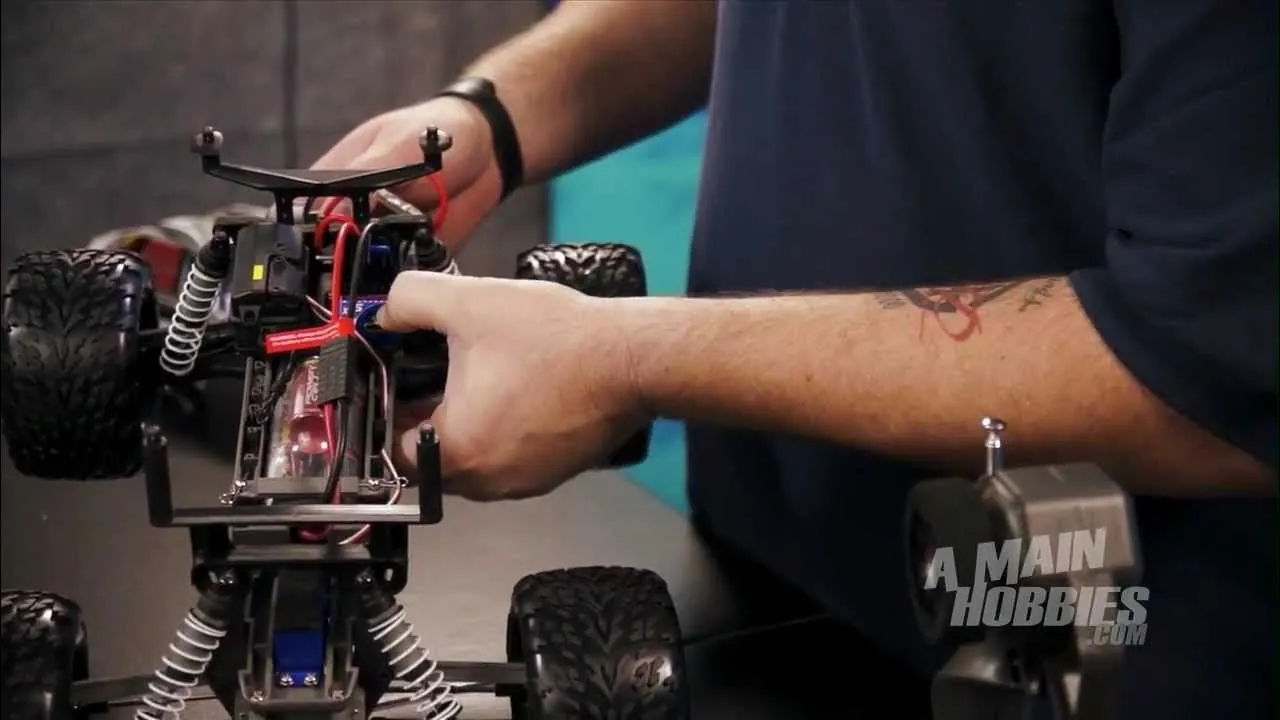
When your model stops moving or behaves erratically, the cause is usually related to power delivery or signal loss. The most frequent issue is a battery that has fallen below the minimum operating voltage, which triggers the Low Voltage Detection (LVD) feature to protect your cells. When this happens, the ESC will either cut power completely or pulse the throttle to warn you.
Another common cause involves the receiver wire. If the small, three-pin connector that plugs into the steering or throttle channel of your receiver vibrates loose, the ESC can’t process commands from your transmitter. This leads to a total loss of control, even if the ESC itself is fully powered and the light is solid green. Always check these connections before assuming the internal electronics have failed.
Environmental factors also play a significant role. If you have been driving through water or mud, moisture may have entered the housing, causing a short circuit. While the unit is designed to be water-resistant, it isn’t fully waterproof in all conditions.
You can find detailed guidance on how to manage your Traxxas electronic speed control by checking the official manufacturer resource page. If you notice a burnt smell or visible scorch marks on the circuit board, the internal components have likely suffered permanent damage and won’t recover.
Reset the transmitter and receiver connection
If your ESC is powered on but the car remains still, you may need to recalibrate the link between your transmitter and the receiver. This process ensures the speed control correctly identifies your throttle, brake, and neutral positions. If you don’t perform this step after changing your radio system or transmitter settings, the ESC won’t know how to interpret your trigger inputs.
To start, turn on your transmitter and hold the throttle trigger in the neutral position. Press and hold the EZ-Set button on the ESC until the LED turns solid red, then release it. Move the trigger to full throttle and hold it until the LED flashes once.
Finally, move the trigger to full brake and hold it until the LED flashes twice. The light should return to a solid state, indicating that the calibration is complete and the unit is ready for use.
Check your transmitter’s trim settings before you begin. If the throttle trim is offset by even a few degrees, the ESC will fail to recognize the neutral point and refuse to arm. Ensure all trim knobs are centered to zero.
If the LED continues to blink red after three attempts, verify that your receiver cable is plugged into the correct channel port. Plugging the ESC into the battery slot rather than the throttle channel is a common mistake that prevents any signal from reaching the motor. If you see a solid green light instead of red during the process, you have accidentally toggled the low-voltage detection mode. Return to the neutral setting and restart the sequence.
Verify battery and connection integrity
Before you look at the electronics, ensure your battery is fully charged and the connector is clean. A loose or corroded battery plug creates high resistance, which causes the ESC to shut down to prevent overheating. If you notice the heat sink on top of the ESC feels extremely hot to the touch during normal use, it’s a sign that the motor is drawing too much current.
Inspect the pins inside your connector for a dark, crusty buildup. If you see this oxidation, scrub the contacts with a fine-grit emery board or a specialized electrical contact cleaner. A shiny, metallic finish is the only acceptable state. If the connector feels loose when plugged in, the tension springs have likely lost their temper. Replace the plug immediately, as a poor physical connection creates micro-arcing that can weld the contacts together.
If your vehicle has a heavy load, such as oversized tires or high-friction terrain, it will pull more power than the unit can safely handle. If the thermal protection kicks in, the ESC will shut down to cool off; you must wait until the temperature drops before attempting to drive again.
If you continue to force the vehicle to run while the thermal protection is active, you risk permanent damage to the internal transistors. This fix is for users who have confirmed their battery is in good health but still face intermittent power drops or sudden cutouts during acceleration.
Test the motor and wiring harness
Sometimes the problem isn’t the ESC, but the motor or the wires connecting the two. Check the three bullet connectors that plug into the motor for any signs of melting or loose fitment. If one of these wires loses contact, the motor will stutter or fail to turn entirely, even if the ESC is functioning perfectly. You can test this by gently wiggling the wires while the system is powered on to see if the motor kicks into life.
If the motor smells like ozone or shows signs of excessive soot, it has likely burned out. A damaged motor creates an electrical short that can destroy the ESC’s output stage. If you’re uncertain about the motor condition, disconnect the motor wires and check if the ESC light behaves normally without the load. If the light stays solid green when the motor is unplugged, the motor is the likely culprit.
Have a technician inspect the motor to confirm whether the internal windings have failed. If you can’t easily reach the wires, take the vehicle to a local hobby shop for a professional inspection rather than risking further damage to your electronics.
Mistakes that cause permanent damage
Running in deep water: Even though the unit is water-resistant, submersion can force liquid past the seals. This leads to internal corrosion that’s impossible to clean. If your unit is fully submerged for more than five seconds, disconnect the battery immediately and let it air dry for 48 hours before testing.
Using incompatible batteries: Attempting to use a battery with higher voltage than the specifications allow will instantly fry the internal circuitry and void your warranty. Always check the voltage rating printed on the ESC casing. If your battery pack exceeds the maximum voltage rating, you risk permanent damage to the internal circuitry.
Ignoring heat warnings: Continuing to drive when the ESC enters thermal shutdown will melt the internal plastic housing and permanently warp the mounting points. If the unit cuts power, stop driving for at least ten minutes.
Forcing jammed gears: If the drivetrain is stuck, the motor will draw maximum amperage. This can damage the ESC transistors. If the wheels don’t spin freely, clear the debris before applying any throttle. Failing to do so causes an excessive current draw that can overheat and damage the motor windings.
Maintain your speed control performance
Consistency is the key to preventing future failures. If you’re experiencing issues, compare your current setup to the recommended operating parameters below to see if your driving style or equipment is the source of the trouble.
| If you’re doing this | Do this instead | Why |
|---|---|---|
| Driving in wet grass | Stick to dry, flat surfaces | Moisture triggers short circuits |
| Using high-friction tires | Install standard, lighter tires | Reduces stress on the motor |
| Ignoring thermal cutouts | Let the unit cool for 15 minutes | Prevents permanent transistor failure |
| Forcing a jammed vehicle | Check the drivetrain for debris | Prevents excessive current draw |
Most operators mistakenly push through a stuttering motor, believing it will clear itself. This error often causes a total burnout of the internal control board, turning a simple jam into a complete replacement.
If your vehicle loses power on an incline, have a technician check the battery to determine if the issue is mechanical friction or electrical exhaustion. If the battery can’t sustain the necessary current, it has reached its end of life. Always prioritize cooling; if the heat sink feels painful to touch, you have exceeded the thermal threshold.
Frequently asked questions
Can I fix a melted ESC casing?
No, you can’t safely repair a melted casing because the internal components are likely fused together. Once the plastic housing shows signs of melting, the internal heat sink and electrical traces have already reached a critical failure point. Attempting to force the unit to work again is a fire risk. You should replace the entire unit to ensure the safety of your vehicle and your battery packs.
Why is my ESC light blinking red?
A blinking red light usually indicates that the ESC has entered a protection mode due to low battery voltage or a thermal overload. If your battery is fully charged, the unit may be detecting a voltage drop caused by a loose connection or a failing battery cell. Check all your plugs for corrosion and verify that your battery is holding a charge under load before assuming the ESC itself is broken.
How long does an ESC last?
An ESC typically lasts for several years if it’s kept clean and operated within the manufacturer’s specified voltage and temperature limits. The actual lifespan varies based on the environment, as exposure to dust, sand, and moisture will accelerate wear on the internal components. If you drive in harsh conditions, you’ll need to inspect the connections and clean the housing more frequently to reach the maximum potential lifespan.
Is it safe to open the ESC housing?
No, it isn’t safe to open the ESC housing as it’s a sealed unit that contains delicate surface-mount electronics. Opening the case will void your warranty and expose the circuit board to debris and moisture. There are no user-serviceable parts inside, and attempting to repair the internal board without specialized training will likely result in a complete failure of the device.
What happens if I use the wrong battery voltage?
Using a battery with a voltage higher than the ESC specifications will cause an immediate surge that destroys the internal transistors. This results in a permanent failure where the unit may smoke, smell like burnt plastic, or simply refuse to power on ever again. Always check the voltage rating printed on the side of your ESC before plugging in a new battery pack.
Conclusion
If these quick fixes don’t get your car moving again, it’s time to reach out to the manufacturer’s support team. They’ll help you determine if a component has failed internally. Don’t worry if you can’t solve it alone; getting back on the track is easier once you’ve ruled out the basics.