
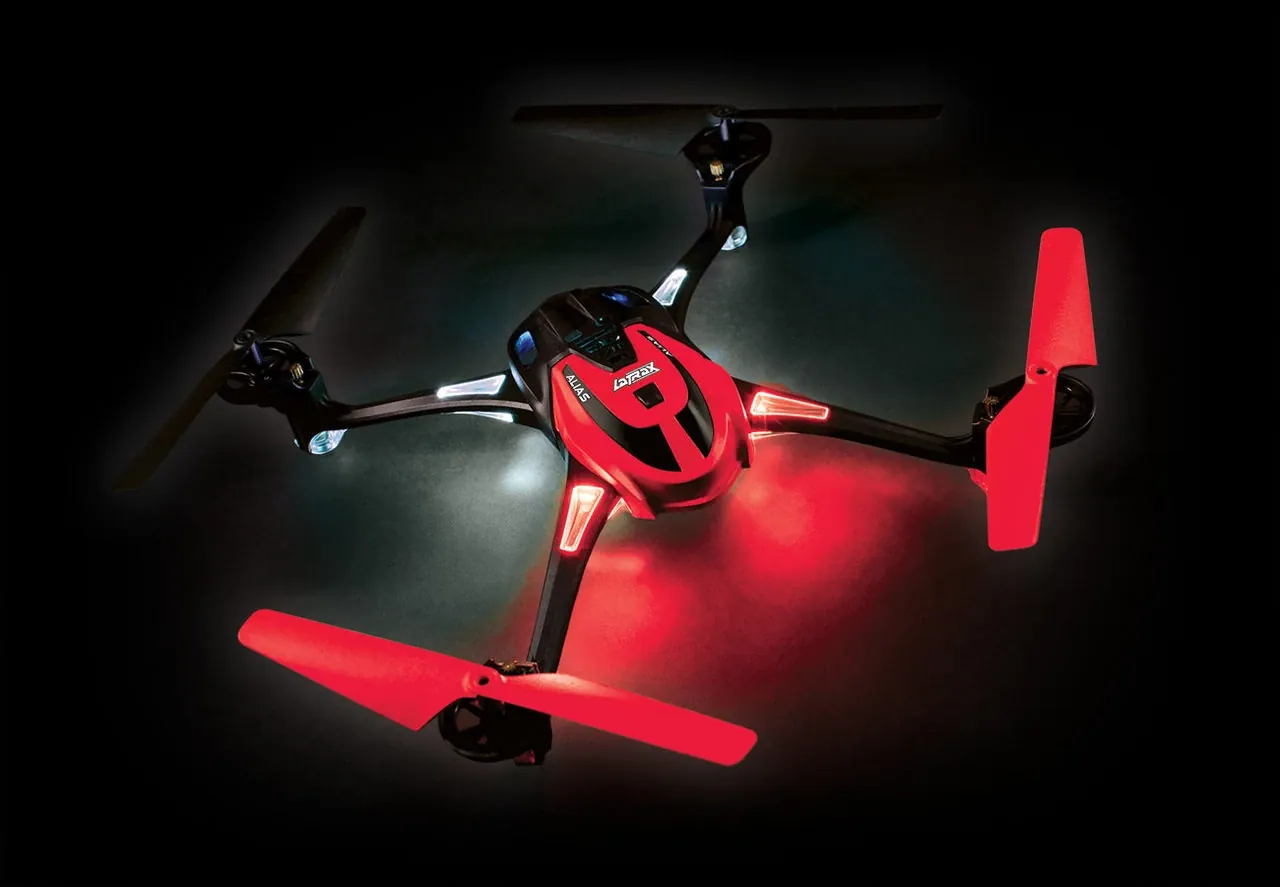
The LaTrax Alias is a popular quadcopter known for its durability and agile performance, but like any sophisticated hobby-grade remote control vehicle, it occasionally encounters technical hurdles. When you begin your laTrax alias troubleshooting process, it’s important to approach the drone systematically to identify whether the issue stems from power, calibration, or communication. This guide provides a comprehensive framework to diagnose common flight anomalies, motor failures, and connectivity glitches that often interrupt your flight experience.
Key Takeaways
- Ensure the LiPo battery is fully charged using a dedicated balance charger before each flight session.
- Always perform a manual accelerometer calibration if the drone drifts excessively during hover.
- Check that all four propellers are securely seated and free of hair or debris tangles.
- Verify your transmitter batteries are fresh, as low voltage often causes intermittent signal loss.
- Consult the official Traxxas support documentation for specific firmware reset procedures.
Common Power and Battery Issues
The most frequent cause of an unresponsive drone is a depleted or damaged power cell. The Alias uses a high-discharge lithium-polymer battery that requires specific care. If the LED lights on the quadcopter blink rapidly, it usually indicates that the battery voltage has dropped below the safe operating threshold.
Battery Care Checklist
- Physical Inspection: Look for signs of “puffing” or swelling, which indicates internal chemical degradation.
- Connector Integrity: Inspect the white JST-PH plug for bent pins or loose wires.
- Storage Habits: Never store LiPo batteries fully charged or fully depleted for more than 48 hours.
How to Fix Flight Instability
If your quadcopter feels shaky or pulls hard in one direction despite your inputs, you likely need a sensor recalibration. The Alias relies on a six-axis gyro to maintain a level hover. When the sensor data becomes skewed due to minor impacts, the flight controller struggles to maintain a stable orientation.
| Symptom | Primary Cause | Resolution Step |
|---|---|---|
| Persistent Left Drift | Trim settings offset | Reset transmitter trims to zero |
| Erratic Spinning | Damaged motor shaft | Replace the affected motor unit |
| Constant Wobbling | Bent propeller blade | Install a fresh propeller set |
| Rapid Descent | Low battery voltage | Swap to a fully charged pack |
Motor Failure and Replacement
Motors are consumable parts on the Alias. If one motor fails to spin or makes a grinding noise, it’s often due to debris ingress or internal brush wear. Before replacing the motor, ensure no small hair or carpet fibers are wrapped around the shaft between the motor housing and the pinion gear.
Signs of Motor Death
- Audible Grinding: A loud, metallic screeching sound during flight.
- Heat Buildup: The motor casing feels excessively hot to the touch after only a minute of flight.
- Reduced RPM: The drone struggles to lift off the ground even with full throttle.
- Intermittent Operation: The motor cuts out during aggressive maneuvers but works in a hover.
Addressing Transmitter Connectivity Problems
Loss of signal between the transmitter and the receiver board is a frustrating issue. The Alias operates on a 2.4GHz frequency, which is robust but can be affected by interference from high-power Wi-Fi routers or other nearby RC transmitters. If the link light on the transmitter flashes, the two devices have lost their handshake.
Pro Tip: If your transmitter won’t bind, move at least 20 feet away from any active wireless routers or Bluetooth devices to eliminate signal noise during the pairing sequence.
Calibrating the Accelerometer Properly
Calibration is the most important step after a hard crash or a frame replacement. To perform a hard reset, place the Alias on a perfectly level surface. Power on the transmitter, then power on the Alias. Move both sticks to the bottom-right corner and hold them for three seconds. The LEDs on the quadcopter will flash to indicate the calibration sequence has begun.
LaTrax Alias Calibration Troubleshooting
- Place the unit on a flat, level table.
- Ensure the transmitter trim buttons are centered.
- Execute the stick command carefully.
- Wait for the status LEDs to return to a solid state.
- Perform a test hover at three feet to verify stability.
Why Is My Drone Not Flying?
If the quadcopter powers on but refuses to spin the motors, check the “Armed” status. The Alias requires a specific stick movement to arm the flight controller. If the throttle isn’t at the absolute zero position, or if the trim is set too high, the flight controller will refuse to engage the motors for safety reasons.
Managing Propeller and Frame Damage
The frame of the Alias is designed to flex to absorb impact, but the plastic will eventually suffer from stress fractures. A cracked frame will vibrate, causing the flight controller to misinterpret the movement as an external force. This leads to erratic flight characteristics that are nearly impossible to tune out with software.
| Part Type | Typical Service Life | Replacement Difficulty |
|---|---|---|
| Main Frame | 50-100 flights | Moderate |
| Propellers | 10-20 flights | Easy |
| Coreless Motors | 30-50 flights | Moderate |
| LiPo Battery | 50-100 cycles | Easy |
Troubleshooting LED Light Sequences
The onboard LEDs serve as your primary diagnostic tool. Solid green generally means the unit is ready for takeoff. A flashing red light indicates a low-voltage warning, while a flashing green light often suggests that the drone is in “Binding Mode” or has lost contact with the transmitter.
Warning: Never attempt to bypass the low-voltage cutoff to squeeze out extra flight time. Doing so will permanently damage the LiPo battery cells and creates a significant fire hazard.
Dealing With Unresponsive Controls
If the drone responds to some inputs but ignores others, the issue is likely a dirty potentiometer inside the transmitter gimbals. Dust and debris can settle on the sensors, causing “ghost” inputs or dead zones. Using a small amount of electronic contact cleaner can often restore functionality to the gimbals without requiring a full transmitter replacement.
Advanced Firmware and Reset Procedures
While the Alias is a “plug-and-play” device, it does track flight data. If you have replaced major components like the main logic board, you might need to perform a factory reset. This is done by holding specific buttons on the transmitter while powering it on, though this should be reserved as a last resort since it will wipe all custom trim and sensitivity settings.
Maintenance Schedules for Reliability
To keep your drone in top condition, follow a routine maintenance schedule. After every five flights, clear the motor housings of dust using compressed air. After every twenty flights, check all screws for tightness, as the high-frequency vibration of the motors can cause small fasteners to back out over time.
Maintenance Routine
- Pre-Flight: Check props for nicks or cracks.
- Post-Flight: Wipe down the chassis with a microfiber cloth.
- Monthly: Inspect all electrical solder joints for cold connections.
- Quarterly: Test battery internal resistance with a charger.
Frequently Asked Questions
Why does my drone flip over immediately?
This usually happens if the propellers are installed in the wrong orientation. The Alias uses specific clockwise and counter-clockwise propellers. If you have mixed them up, the drone will experience asymmetrical thrust and flip instantly upon takeoff. Always double-check the markings on the blades against the motor positions before attempting flight.
How do I fix a bent motor shaft?
Unfortunately, bent motor shafts can’t be repaired reliably. Because the motors operate at such high RPMs, any deviation from true center will cause massive vibration, destroying the motor bearings within minutes. The only effective solution is to replace the entire motor unit with a new original equipment part to ensure the flight controller receives stable data.
Can I use third-party batteries?
While you can find many batteries that fit the battery tray, it’s highly recommended to use the manufacturer-specified cells. Third-party batteries often have different discharge ratings (C-ratings), which can lead to voltage sags or overheating. Using the correct battery ensures the internal protection circuitry of the Alias functions as intended during high-load maneuvers.
Why is the range so short?
If your range is significantly lower than the expected 100-foot radius, check the transmitter antenna. If the antenna is damaged or bent at a sharp angle, signal propagation will drop significantly. Ensure the antenna is pointing straight up and isn’t obstructed by your hands or metal objects. Also, ensure your transmitter batteries aren’t near the end of their charge.
Is it safe to fly in light wind?
The Alias is a lightweight quadcopter, and it isn’t designed for outdoor flight in anything more than a gentle breeze. If you fly in wind, the flight controller will constantly fight to maintain position, which drains the battery rapidly and puts extreme stress on the motors. For the best experience, stick to indoor environments or completely calm, windless days outside.
Conclusion
Performing regular maintenance and systematic testing will extend the life of your quadcopter significantly. By checking your propeller orientation, verifying battery health, and keeping the motors clear of debris, you can resolve most operational issues without needing professional repair. Your next step is to perform a full calibration on a level surface to ensure your flight controller is starting from a clean, baseline state for your next session.