The best cleaner for RC cars is a safe, fast, plastic-friendly degreaser.
Mud, dust, and road grime sneak into every corner of an RC car. Bearings get gritty, motors get gummed up, and clear bodies lose their shine. I’ve been there after a bash session, staring at a filthy rig and a cluttered bench. The right cleaner turns that mess into a quick tune-up. In this guide, I break down the best cleaner for rc cars for every task—motors, bearings, bodies, and plastics—so you can restore performance and keep parts safe. I’ll show what to use, where to use it, and what to avoid.

CowRC Moo-Kleen Industrial Grade Electrical…
Industrial Grade Formula: Professional-strength electrical cleaner and degreaser specifically designed for RC car maintenance and performance optimization Multi-Purpose Cleaning: Effectively removes oil, grease, dirt, and grime from electrical motors, gears,…

CowRC Moo Kleen Part &…
HEAVY DUTY STRENGTH: Professional-grade RC cleaner and degreaser specifically formulated for remote control cars, trucks, crawlers, and parts to remove dirt, grime, and oil buildup READY TO USE PRE-MIX: Convenient…

CowRC Cow Cleaning Snot RC…
Heavy Duty RC Cleaner: Professional-grade cleaning formula specifically designed to remove dirt, grime, and grease from RC vehicle parts including chassis, bearings, gears, and shocks Non-Flammable Formula: Safe to use…
CowRC Moo-Kleen Electrical Cleaner, 15 oz

This is the kind of spray I reach for after every dusty run. CowRC Moo-Kleen blasts away grit from motors, bearings, gears, and chassis with a fast-evaporating, industrial-grade formula. It is designed for electrical parts, so it dries without residue and helps prevent electrical arcing. As with any contact cleaner, I still test on a hidden spot if I’m near sensitive plastics or decals.
In use, the straw lets me target tight spaces like commutators, sensor ports, and diff outdrives. Spray, spin, and the grime pours out. I follow up with a drop of oil in bearings and motor bushings. If you want the best cleaner for rc cars that saves time on teardown, this can be a go-to can on the bench.
Pros:
- Fast-drying, low-residue formula for electrical parts
- Great for motors, sensors, and metal components
- Strong jet flushes out fine dirt and old oils
- Useful straw for tight access points
- Speeds up post-run maintenance
Cons:
- Propellant and solvent can be flammable
- May affect some plastics or paint—test first
- Not a protectant or lubricant; follow with oil
My Recommendation
If you drive in dusty lots or sandy trails, you need this. It is the best cleaner for rc cars when you want to purge motors, bearings, and driveline parts without a full teardown. Use it after each run, then re-lube moving parts. For painted shells or raw polycarbonate, keep it away and choose a body-safe cleaner.
| Best for | Why |
|---|---|
| Motors and sensors | Quick-dry, low-residue contact cleaning |
| Bearings and gears | Flushes grit and old grease fast |
| Trackside maintenance | Fast spray clean with no rinse needed |
CowRC Moo Kleen Parts & Chassis Wash, 8 oz

This pre-mixed wash is my pick for general grime on plastics, metals, and anodized parts. It is non-flammable and designed for RC chassis, arms, wheels, and parts trays. The spray-and-wipe method is simple. You can also use brushes for caked clay and mud.
It leaves no greasy film and helps lift old tire compound from wheels. I like it on crawlers and bashers that need a safe clean after muddy runs. If you want the best cleaner for rc cars that you can use on most surfaces with peace of mind, this is a strong, gentle option.
Pros:
- Safe on plastics, aluminum, and most finishes
- Non-flammable, easy to use indoors
- Pre-mixed—no guesswork on dilution
- Cuts dirt and old tire residue well
- Good everyday cleaner for chassis and parts
Cons:
- Not a heavy degreaser for deep oil stains
- May need agitation for clay or track snot
- 8 oz goes fast for large cleaning jobs
My Recommendation
This is ideal for hobbyists who want a safe, no-fuss cleaner for plastic chassis and parts. It pairs well as a follow-up after an electrical cleaner. For most weekly maintenance, it behaves like the best cleaner for rc cars because it balances strength and surface safety.
| Best for | Why |
|---|---|
| Plastic chassis and arms | Gentle, non-flammable, surface-safe |
| Anodized aluminum | Does not strip color or finish |
| Indoor bench cleaning | Low odor, easy spray-and-wipe |
CowRC Cleaning Snot RC Degreaser, 160g
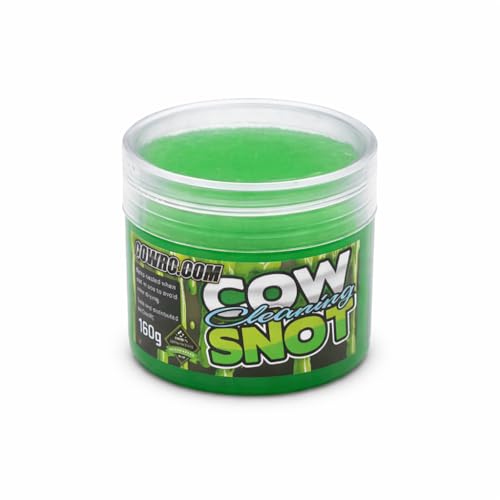
This thick, non-flammable gel clings to parts where sprays run off. I use it on underside chassis, shock bodies, and gear covers. It softens caked mud, grease, and track film. After a short dwell, it wipes clean and rinses with minimal effort.
I like that it will not flash dry, so it keeps working. It is handy in the field when water is limited. If you want the best cleaner for rc cars that sticks to vertical or recessed spots, this gel earns space in your kit.
Pros:
- Gel formula clings to parts for deep clean
- Non-flammable and easy to control
- Great on shocks, gear covers, and skid plates
- Loosens heavy mud and grease
- Less overspray and waste vs. aerosols
Cons:
- Needs wipe and rinse step for best results
- Not ideal for electronics or sensors
- Can take longer than sprays for quick jobs
My Recommendation
Pick this if you run in mud, clay, or wet trails. It is the best cleaner for rc cars when you need dwell time and less mess. The gel makes stubborn grime release with less scrubbing, which protects finishes and saves time.
| Best for | Why |
|---|---|
| Heavy mud and grease | Clings and softens buildup fast |
| Vertical or hidden areas | Won’t run off like thin sprays |
| Indoor cleaning | Low mist and controlled application |
1UP Racing QuikShine RC Body Cleaner, 60mL

This small bottle packs a nice punch for polycarbonate (Lexan) shells. It removes fingerprints, tire dust, and light grime, then leaves a slick, anti-static finish. I find it safe on painted bodies when used as directed. It helps keep decals looking bright.
Use it before display photos or races. The anti-static effect reduces dust cling, so the shell stays clean longer. If you want the best cleaner for rc cars for body shine and photo-ready looks, this is a great pick.
Pros:
- Safe for polycarbonate bodies when used as directed
- Adds shine and anti-static protection
- Removes light grime and fingerprints
- Compact bottle fits pit bag
- Helps preserve decal clarity
Cons:
- Not for heavy mud or oil
- Small size may run out fast
- Best results need a soft microfiber
My Recommendation
If your RC shell looks dull or dusty, grab this. It is the best cleaner for rc cars when you need a quick, safe body refresh. I use it after a general chassis clean, right before I snap photos or hit the track.
| Best for | Why |
|---|---|
| Polycarbonate shells | Safe cleaning plus gloss |
| Race and display prep | Anti-static finish resists dust |
| Decal care | Gentle on graphics and edges |
ZorgMax RC Bearing Cleaner Tool
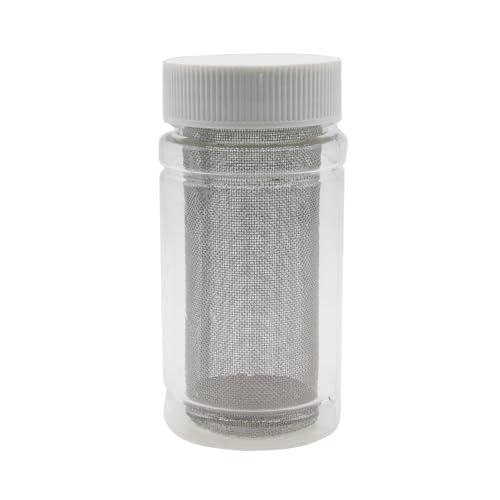
This compact bearing cleaner supports micro scales like 1/28, 1/24, 1/18, and even 1/10. Add your solvent, load the bearing, and agitate. It strips dirt and old oil fast. After drying, re-lube with a drop of bearing oil.
If your car feels draggy or noisy, start with clean bearings. This tool makes it repeatable and tidy. Paired with the right solvent, it acts like the best cleaner for rc cars for any bearing refresh.
Pros:
- Secure bearing cleaning with less mess
- Works across common RC scales
- Fast solvent cycling and agitation
- Improves spin and reduces noise
- Reusable and compact
Cons:
- Needs a separate solvent and oil
- Not for sealed bearings you cannot open
- Must dry bearings well to avoid rust
My Recommendation
If you run micros or race 1/10 often, keep this on the bench. It is the best cleaner for rc cars when a sluggish feel points to dirty bearings. Use it between heats or after wet runs. You will feel the difference in roll-out and temps.
| Best for | Why |
|---|---|
| Micro-scale bearings | Sized for 1/28–1/10 cleaning |
| Race prep | Restores free spin and speed |
| Maintenance routine | Clean, dry, and re-lube with control |
SWPHRT Carb Jet Cleaning Kit
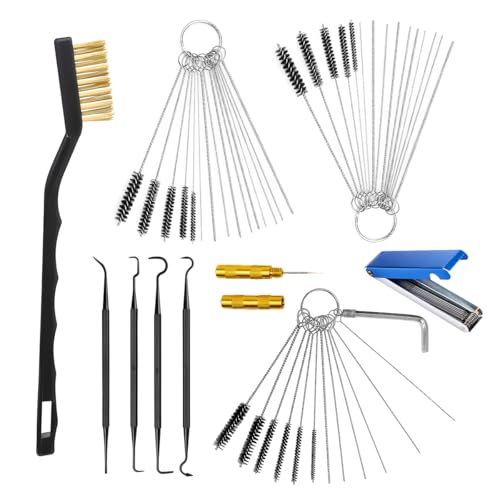
Nitro owners know carb passages can clog with castor, dust, and fuel varnish. This kit gives you fine needles and a brush to clear tiny jets. Use a gentle hand and solvent to avoid scratching. Done right, idle and tune improve fast.
I only use these tools when a spray flush fails. They are like precision picks for stubborn blockages. While not a liquid, it complements the best cleaner for rc cars by giving you a way to fix the root cause of fuel starvation.
Pros:
- Clears micro passages that sprays miss
- Handy for nitro carb maintenance
- Portable, low-cost toolkit
- Works with solvents you already have
- Restores smooth idle and throttle
Cons:
- Risk of scratching brass if misused
- Not needed for electric-only setups
- Requires patience and a steady hand
My Recommendation
If your nitro tune went weird overnight, check the carb. This kit is the best cleaner for rc cars with glow engines when jets gum up. Use small steps, add solvent, and never force the needle. You will bring a moody engine back to life.
| Best for | Why |
|---|---|
| Nitro carb jets | Precise tools for tiny passages |
| Field fixes | Compact kit for trackside repair |
| Budget maintenance | Reuses with any safe solvent |
CAVU RC UV Protectant & Polish Spray

This spray cleans light dust while adding a UV shield to shells, wings, and plastics. It helps repel static and dirt, so you wash less. I like it on bodies that sit in the sun, like speed run builds and scale trucks. It includes a microfiber towel for quick wipe-downs.
UV protection slows fade and cracking in plastics over time. The polish effect also gives that slick, fresh look. If you need the best cleaner for rc cars that also guards against sun damage, this is a smart, preventive step.
Pros:
- Cleans and protects with UV blockers
- Reduces dust cling and static
- Safe for RC planes and helis too
- Includes microfiber towel
- Leaves a slick, polished finish
Cons:
- Not a heavy-duty degreaser
- Needs re-application over time
- Use sparingly near tire surfaces
My Recommendation
Use this after a body wash or QuikShine touch-up. It is the best cleaner for rc cars when you value long-term protection as much as looks. For sun-baked lots or summer meets, the UV shield pays off.
| Best for | Why |
|---|---|
| UV protection | Blocks sun fade and plastic stress |
| Show finish | Polished, slick surface |
| Multi-RC use | Works on cars, planes, helis |
Dantenron 1/8 RC Air Filter Cleaner Kit

This is a plastic air filter housing with a foam element for 1/8 nitro engines. It’s not a liquid cleaner, but it is core to keeping your engine clean. Oil the foam, install it, and it traps dust before it reaches the carb. That means fewer clogs and longer engine life.
When dirty, wash the foam with a foam-filter-safe cleaner, dry, and re-oil. A good filter is prevention, which beats repair. For nitro buggies and truggies, pairing a strong filter with the best cleaner for rc cars makes maintenance faster and safer.
Pros:
- Proper dust control for nitro engines
- Reusable foam element
- Helps prevent carb and sleeve wear
- Easy to service with filter oil
- Fits common 1/8 rigs
Cons:
- Not a cleaning fluid or spray
- Needs separate filter oil
- Model fit can vary—check sizing
My Recommendation
If you run nitro off-road, treat this as essential. It is not the best cleaner for rc cars by itself, but it cuts your cleaning load in half by catching dust early. Keep spare foam inserts ready so you can swap and keep running.
| Best for | Why |
|---|---|
| Nitro dust defense | Traps dirt before the carb |
| Longer engine life | Prevents abrasive wear |
| Quick service | Wash, dry, re-oil, and go |
LIHAN Electric Compressed Air Duster

An electric air duster replaces endless cans of compressed air. It blasts dust from chassis, fans, heat sinks, and radios. You can also blow out bearings before oiling. I like it because it is rechargeable and has steady power.
Air is often the first step in cleaning. Knock off loose dirt, then follow with the best cleaner for rc cars in your kit. It saves solvent and time. It is also great for home and office use, so it earns its keep.
Pros:
- Rechargeable, high airflow
- Great for electronics and fans
- Reduces solvent use
- Multi-use beyond RC
- No propellant smell or cold spray
Cons:
- Noise at full power
- Not a degreaser or sanitizer
- Needs charging before big sessions
My Recommendation
If you hate buying air cans, switch to this. It pairs with the best cleaner for rc cars to make a fast two-step routine: air first, solvent second. Your bench will stay cleaner, and your parts will last longer.
| Best for | Why |
|---|---|
| Pre-clean dust removal | Blows off debris fast |
| Electronics and fans | Non-contact and safe |
| Cost savings | Reusable vs. canned air |
Rdxcv 2-in-1 Detailing Brush

Brushes are the quiet heroes of cleaning. This double-ended tool reaches vents, fans, and shock collars. The soft bristles lift dust without scratching. Pair it with your favorite spray or gel for targeted scrubbing.
I keep one in my pit bag for track snot and tire dust. It also works well on transmitter dials and micro switches. When you use it with the best cleaner for rc cars, tough dirt has nowhere to hide.
Pros:
- Soft, gentle bristles
- Two ends for different spaces
- Ideal with sprays and gels
- Great for radios and fans
- Compact and inexpensive
Cons:
- Manual labor compared to sprays
- May retain moisture—dry after use
- Not for very heavy mud alone
My Recommendation
Add this to every cleaning setup. It makes the best cleaner for rc cars work better by agitating grime in small places. You will save time and protect finishes with light pressure and the right tool.
| Best for | Why |
|---|---|
| Crevices and vents | Fits where rags don’t |
| Gentle surfaces | Soft bristles prevent scratches |
| On-the-go kits | Small, light, always useful |
How I Choose the Best Cleaner for RC Cars
I look at four things: surface safety, residue, speed, and versatility. RC shells are polycarbonate. Chassis blend plastics and metals. Electronics hate water and sticky film. So I favor cleaners that evaporate cleanly, are marked plastic-safe (or I test), and match the task.
For electronics, a fast-dry electrical cleaner is best. For plastics and general grime, a water-based chassis wash is safer. For heavy buildup, a gel works wonders. For bodies, use a polycarbonate-safe polish. The best cleaner for rc cars is often a small system, not a single bottle.
Safety Tips Most People Skip
Unplug LiPo batteries and power before you spray anything near electronics. Keep aerosols away from flames and hot soldering gear. Ventilate your workspace. Always test on a small hidden spot, especially on polycarbonate paint and decals.
After you flush bearings or gears, re-lube with the proper oil or grease. Dry parts fully to prevent rust. For nitro foam filters, only use foam-safe cleaners and oils. These simple steps keep the best cleaner for rc cars from becoming a repair bill.
FAQs Of best cleaner for rc cars
Can I use brake cleaner on my RC car?
I avoid it on plastics and painted shells. Some brake cleaners attack polycarbonate and decals. Use an RC-safe electrical cleaner or a water-based chassis wash instead.
What is the safest cleaner for polycarbonate bodies?
A polycarbonate-safe body cleaner or polish is best. Look for anti-static and no-residue formulas. Test first and use a soft microfiber.
How do I clean RC bearings the right way?
Remove the bearing, flush with an electrical cleaner or solvent using a bearing tool, dry fully, then add a drop of bearing oil. Spin to distribute and wipe excess.
How often should I clean my RC car?
Light clean after every run. Deep clean after wet or muddy sessions. Bearings and driveline need more care if you hear noise or feel drag.
Is compressed air safe for electronics and fans?
Yes, when used at a safe distance. An electric air duster is great. Hold blades still to protect fans, and avoid blasting grit deeper.
Final Verdict: Which Should You Buy?
If you want one can, choose CowRC Moo-Kleen Electrical Cleaner for fast, residue-free flushes. Add the CowRC Parts & Chassis Wash for safe plastic cleaning and 1UP QuikShine for shells.
That trio covers motors, plastics, and bodies, making it the best cleaner for rc cars setup. Round it out with an air duster and brush for quick, pro results.
Expert Notes for 2026 Buyers: Many regions now prefer low-VOC and non-flammable options. I see more RC-focused formulas with better plastic safety and faster evaporation. Always check the product’s safety data and plastic compatibility. A quick spot test beats a ruined shell. And remember: the best cleaner for rc cars is a small toolkit that fits how and where you drive.