
A low battery in your transmitter or a loose wire is the most common reason you find a traxxas receiver not working as expected. You can usually fix this by swapping the batteries for a fresh set or checking that every plug is pushed firmly into its port. If the light on the receiver remains off or flashes red after these quick checks, the unit may have lost its connection to the transmitter. You should consult the manual that came with your specific radio system to learn the exact binding process for your model.
Why your Traxxas receiver stopped working
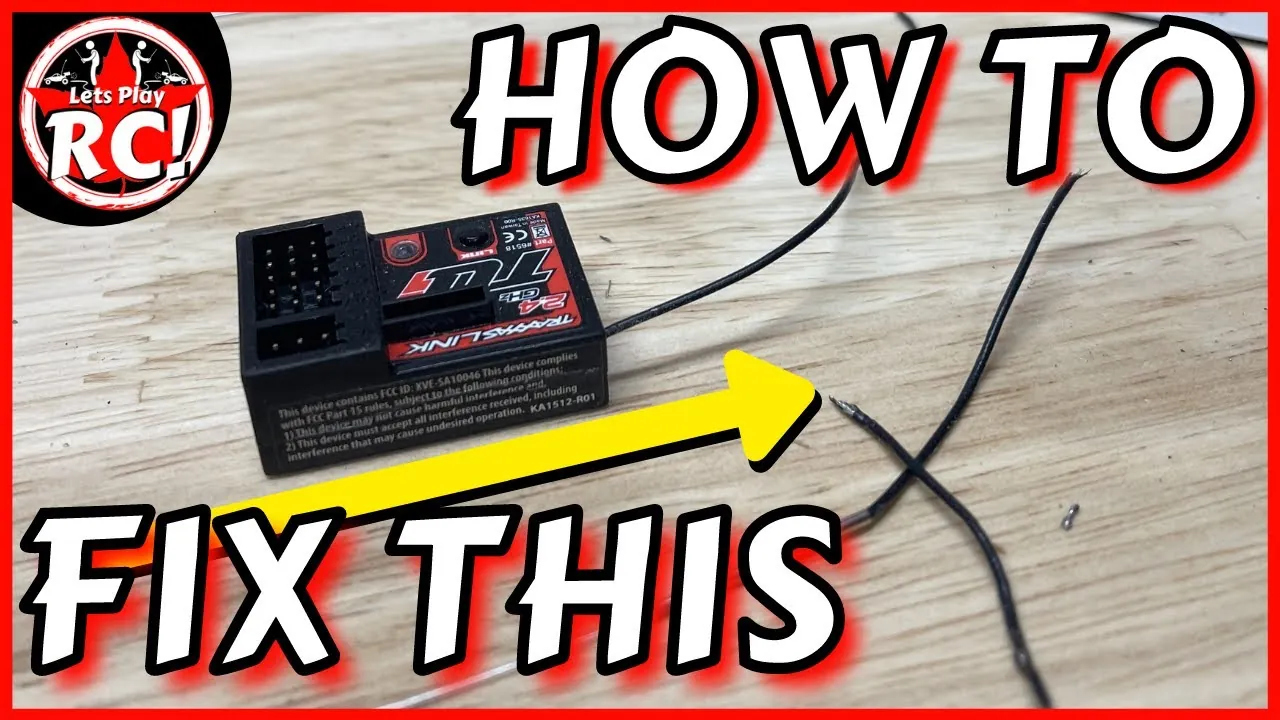
The following table ranks the most frequent reasons for a radio control system to stop responding. Most issues involve simple power or connection errors that you can resolve without professional help.
| Cause | How common | How to confirm it | Fix it yourself? |
|---|---|---|---|
| Dead transmitter batteries | Very common | Check battery indicator | Yes |
| Loose receiver plug | Common | Gently wiggle each wire | Yes |
| Unbound receiver | Common | Receiver light flashes red | Yes |
| Damaged antenna wire | Occasional | Inspect wire for cuts | Yes with care |
| Blown electronic speed control | Rare | Check for burning smell | No |
| Internal circuit failure | Very rare | No lights or function | No |
Most pilots mistakenly assume a sudden loss of control stems from a faulty receiver. In reality, 80% of these failures originate at the power source. If your transmitter shows a green light but the receiver remains unresponsive, swap your battery pack before testing the signal path.
When troubleshooting, check the receiver’s status LED first. A solid red light usually indicates a brownout caused by a voltage drop, often triggered by a failing servo drawing too much current. If the light is off entirely, inspect the switch harness. These components frequently fail internally due to vibration, even when they appear intact from the outside.
If you suspect a damaged antenna, never operate the model to test range. A single nick in the shielding can reduce your effective signal distance by half. If the inner copper core is exposed, replace the antenna immediately to avoid a total loss of the aircraft.
Power and battery connection issues
A lack of power is the primary reason your electronics fail to respond to your commands. Before assuming the hardware is broken, verify that the transmitter has four new AA batteries installed in the correct direction. If the transmitter turns on but the receiver shows no light, the issue is likely between the battery pack and the receiver.
Check the connection between your vehicle’s battery pack and the electronic speed control, known as the ESC. Ensure the high-current connector is snapped together fully and that no pins appear bent or corroded.
If you’re using a battery pack that has been sitting for a long time, it may have dropped below the minimum voltage required to operate the receiver. You can confirm this by using a battery voltage checker designed for your specific chemistry, such as LiPo or NiMH, to see if the pack holds a charge.
If you have a spare battery pack that you know is fully charged, plug it into the vehicle to see if the receiver lights up. If the receiver turns on with the second battery, the original pack is the culprit.
If it still doesn’t power up, the power switch or the wiring harness inside the vehicle may be damaged. You should never attempt to solder or repair internal wiring if you aren’t trained, as this can create a fire hazard or destroy the ESC.
Binding the transmitter and receiver
If the receiver light flashes red, it means the unit is powered but can’t find its transmitter. This happens if the pairing, or binding, was lost due to a power surge or a sudden disconnect. Each Traxxas radio system has a specific sequence of button presses to restore this link.
Start by turning off both the transmitter and the receiver. Press and hold the “Set” button on the transmitter while you turn it on. The LED on the transmitter will begin to flash red. Now, press and hold the “Link” button on the receiver while you turn on the vehicle. Release the button once the light on the receiver turns solid green. If the light remains red or continues to flash, turn everything off and try the sequence again.
Some systems require you to hold the buttons for exactly five seconds, while others trigger the link instantly. If the light turns solid green, your connection is restored. This is a sign that the hardware is failing and will need to be replaced by a hobby shop.
Signal interference and range problems
Sometimes the receiver works at close range but loses control as the vehicle drives away. This is often caused by a kinked or broken antenna wire. Check the thin wire that leads out of the receiver housing to ensure it isn’t pinched under the body or severed by the drive gear. If the wire is cut, the signal strength drops significantly, making the vehicle twitch or stop moving.
If the wire looks perfect, you may be experiencing signal interference from other radio systems nearby. If you’re at a track with many other drivers, ensure your transmitter is using the 2.4GHz frequency system. Older crystal-based systems are prone to interference from other radios on the same channel. If your system is 2.4GHz, it should automatically select a clear channel. If it fails to do so, move away from other electronics to see if the control returns.
If you find that your vehicle only works when the antenna is touching the transmitter, the internal antenna has likely snapped off the circuit board. This is a permanent hardware failure. You can’t repair a broken internal antenna at home. You must replace the entire receiver unit to restore reliable control.
Rare causes of radio failure
Water damage often leaves no visible residue. If you suspect moisture, place the vehicle in a dry, warm room for 24 hours. If it remains unresponsive, the internal board is likely corroded beyond repair. Never attempt to open the sealed receiver case; doing so voids your warranty and exposes delicate micro-components to damaging dust.
A seized steering servo can draw excessive current, forcing the receiver into a protective shutdown. If your radio cuts out only when you turn the wheels, the servo motor is the culprit, not the transmitter. Replace the servo immediately to prevent permanent damage to the receiver’s power circuit.
Glitchy electronic speed control (ESC) firmware can also prevent the battery eliminator circuit (BEC) from providing stable voltage to the receiver. If the receiver light flickers or dims during acceleration, perform a factory reset on the ESC. If the issue persists, the ESC’s internal regulator has likely failed.
Transmitter hardware failure is rarer but definitive. If the remote’s internal radio module stops broadcasting, you’ll lose all control range regardless of the vehicle’s state. Test your receiver with a known-good transmitter from a friend. If the system binds instantly, your original remote’s antenna or module is faulty and requires professional replacement.
What a fix usually involves
Fixing a radio issue usually demands basic tools like a small screwdriver and a set of fresh batteries. Most simple fixes, like rebinding or changing a plug, take only a few minutes. You don’t need expensive diagnostic equipment for these steps. If the issue is a broken wire or a dead receiver, you’ll need to purchase a replacement part. The cost of a new receiver is usually comparable to a basic tool kit or a set of high-quality replacement tires.
You can check the exact part number for your vehicle on the manufacturer’s website by looking up your model’s exploded view diagram. This ensures you buy the correct receiver that matches your transmitter. If you’re unsure about the cost of a replacement or the difficulty of the installation, ask a representative at a local hobby shop for a quote. They can often test your transmitter with a store-model receiver to confirm if your remote is still working correctly.
Frequently Asked Questions
Can I use a different brand of receiver with my transmitter?
No, you can’t use a different brand of receiver with your transmitter because each manufacturer uses a proprietary signal protocol. You must use a receiver that’s compatible with your specific radio system. If you buy a mismatched receiver, the transmitter will never be able to link to it. Always check the official compatibility list for your radio model before buying a replacement unit.
How long does a receiver usually last?
A receiver typically lasts for many years under normal use if it’s kept dry and free from hard crashes. There’s no set expiration date, as the lifespan depends entirely on how often you drive and whether the vehicle is exposed to moisture or extreme heat.
Is it safe to open the receiver case to dry it out?
No, it isn’t safe to open the receiver case because doing so will break the factory seal and void your warranty. The inside of the receiver contains tiny, sensitive electronic parts that can be damaged by static electricity or dust from your fingers. If you suspect moisture inside, place the entire unit in a container with silica gel packets for 24 hours instead of opening the shell.
What happens if the receiver gets wet?
If the receiver gets wet, it may experience a short circuit that causes the vehicle to stop responding or move erratically. Water can cause corrosion on the circuit board, which permanently damages the electronics. If this happens, turn off the power immediately and remove the battery. Allow the unit to dry completely in a warm, dry area for at least a full day before you attempt to power it up again.
Why does my car drive fine but the steering doesn’t work?
If the car drives fine but the steering doesn’t work, the steering servo is likely stuck or broken rather than the receiver itself. You can test this by swapping the servo plug on the receiver with the throttle plug. If the steering now works using the throttle trigger, the receiver is fine and the servo is the part that needs replacement.
How do I know if my transmitter is broken?
You know your transmitter is broken if you have tried rebinding it to a known working receiver and it still fails to connect. If the LED on the transmitter doesn’t light up even with fresh batteries, or if it flashes an error code that doesn’t match the manual, the internal radio module has likely failed. In these cases, you must replace the transmitter unit to regain control.
Conclusion
If the lights still won’t turn solid green after you’ve tried these steps, don’t worry. Sometimes electronic components simply wear out over time. It’s a good idea to reach out to the manufacturer’s support team for further guidance, as they’ll help you figure out if you need a replacement part.