
Low battery power in the transmitter or the receiver is the most common reason an rc car not responding to throttle. When the voltage drops below the threshold required for the internal electronics to communicate, the signal fails to reach the motor. You can confirm this issue quickly by checking the battery charge levels using a standard voltage tester or by swapping in a set of fresh, fully charged batteries.
Why your throttle isn’t responding
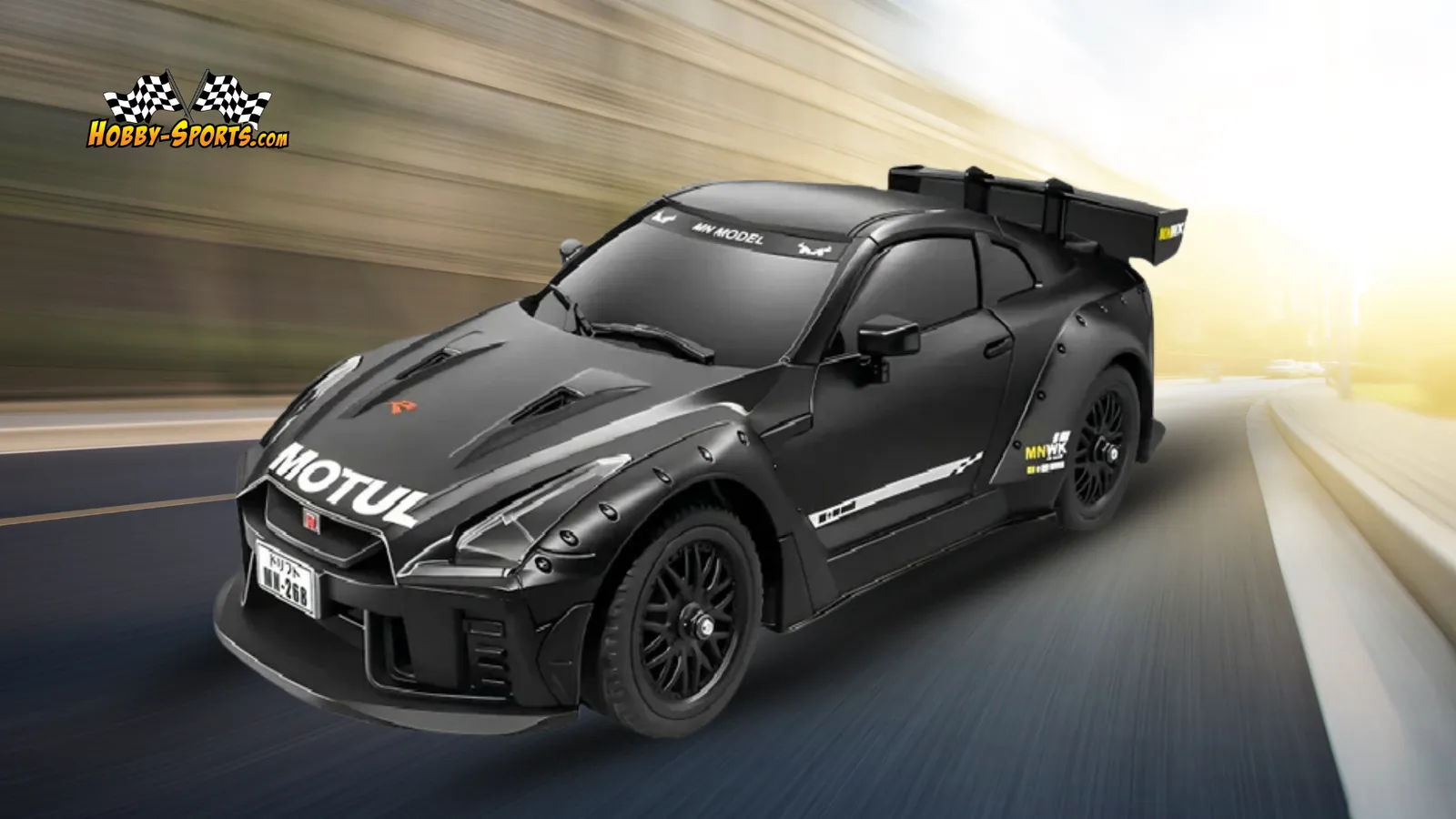
The following table ranks the typical causes for a loss of throttle response. Always verify the status of your power sources before assuming a mechanical failure.
| Cause | How common | How to confirm it | Fix it yourself? |
|---|---|---|---|
| Low battery power | Very common | Test with fresh batteries | Yes |
| Signal interference | Common | Move to a new area | Yes |
| Loose wiring | Occasional | Inspect for disconnected plugs | Yes with care |
| Binding issues | Occasional | Check for stuck gears | Yes |
| Transmitter pairing loss | Rare | Re-bind to the receiver | Yes |
| Motor failure | Rare | Listen for motor hum | No |
| ESC malfunction | Very rare | Check for error lights | No |
Begin your diagnostic by checking the voltage under load rather than at rest. A battery may show a full charge on a static meter but drop below the required threshold the moment the motor draws current. If the throttle cuts out only during high-speed maneuvers, your battery is likely sagging under the demand.
Signal interference often stems from proximity to high-voltage lines or metal structures. If the vehicle stutters in a specific corner of a park but runs perfectly elsewhere, assume environmental interference. Don’t attempt to re-bind your transmitter if the issue is localized to one spot.
Binding issues typically occur after a collision. If you hear a high-pitched whine but see no movement, cut power immediately to prevent the motor from burning out. If the motor remains silent despite a full battery and active signal, you’re likely dealing with a broken solder joint or a failed ESC. Always check for a burnt smell near the electronics before touching the components.
Safety: Inside a mains-powered machine, the parts behind the outer cover can hold a dangerous electrical charge even after it has been unplugged — that’s why they sit behind a cover. Opening the housing, or testing or replacing anything behind it, is a job for a qualified technician, never a home repair.
Depleted power sources
The most frequent culprit is a simple lack of energy. If the transmitter batteries are weak, they can’t send a strong enough signal to the car. If the car’s main battery is low, the Electronic Speed Controller (ESC) may cut power to the motor to protect the system. This safety feature is standard in many models to prevent permanent battery damage.
To test this, first replace the transmitter batteries with a fresh set. If the car still shows no response, charge the main battery pack fully. If you’re using a rechargeable lithium-polymer pack, never charge it while it’s hot or damaged. Once the battery is at its peak charge, plug it back into the car and turn on the transmitter first, then the vehicle. If the throttle works, the issue was simply a lack of voltage.
Most users make the mistake of assuming a battery is fine because it isn’t visibly swollen. However, a battery that drops below the safe operating threshold under load is often effectively dead. If your charger displays a “low voltage” error, don’t attempt to force a charge. This indicates a cell has fallen below the chemical recovery threshold, creating a fire risk.
If your car runs for less than two minutes before the ESC cuts power, you’re likely dealing with high internal resistance. Check the battery connectors for signs of heat discoloration or melting. If the plastic housing is charred, replace the connector immediately to avoid a total system failure.
Signal interference and range
Radio interference occurs when electronic devices or physical barriers disrupt the signal between your controller and the car. If you operate near Wi-Fi routers, high-voltage power lines, or other radio-controlled vehicles, your signal may be drowned out. You can identify this issue if the car responds intermittently or only functions when the transmitter is within three feet of the receiver.
Move your vehicle to an open, outdoor area at least 50 feet away from buildings, metal fences, and heavy traffic. If the car regains throttle control, you have confirmed that environmental interference was the cause. If the car still fails to move, ensure your transmitter antenna is fully extended or oriented vertically.
Many users mistakenly assume that a lack of response is always a dead battery. However, if the steering servo twitches but the motor remains silent, check the internal pairing process first. If you’re within five feet of the car and still get no response, the issue likely lies within the internal wiring or a loose receiver plug.
If your system operates on 2.4GHz, remember that signal waves struggle to penetrate water or dense concrete. If you’re driving near a pond or a brick wall, move to a clear line of sight. If the car behaves erratically only when turning sharply, the internal antenna wire may be pinched or damaged. Inspect the receiver casing for any signs of fraying or exposed copper strands before attempting a re-bind.
Loose connections and debris
A loose wire or a piece of debris can stop the motor from receiving commands. Over time, vibrations from driving can cause plug connectors to wiggle loose from the receiver or the ESC. Check that every plug is firmly seated in its port. If a wire is frayed or disconnected, the signal path is broken, resulting in a complete loss of throttle.
Inspect the pins inside the plastic connector housings. If you see a pin pushed back or bent, the connection is intermittent. Use a small pick to snap it back into place until you hear a distinct click. A loose connection often causes the car to stutter or cut out only when hitting bumps. If the car stops entirely, the issue is almost always a fully detached wire.
Physical blockage is another common issue. Check the drivetrain for grass, hair, or small rocks wrapped around the axles or stuck in the gear mesh. If the gears are jammed, the motor will struggle to turn even if it’s receiving a signal. You can test this by gently spinning the wheels by hand while the car is turned off.
If you feel heavy resistance or hear grinding, remove the obstruction. If the wheels spin freely but the motor still doesn’t engage when powered, you may be dealing with an internal component failure. When clearing the gear mesh, always remove the pinion cover to ensure no grit is trapped between the teeth, as even a tiny pebble can strip the gear under load.
Rare mechanical and electronic faults
Pairing loss often stems from a corrupted handshake between the transmitter and receiver. If the status light blinks red or remains dark after a battery swap, perform a manual re-bind by holding the receiver’s bind button while powering on the transmitter. This process forces the units to re-establish their unique digital handshake.
Motor burn-out typically manifests as a distinct ozone smell or excessive heat. Don’t force the motor to turn; this can cascade the failure into your Electronic Speed Controller.
An ESC failure is confirmed when the unit remains dark despite a verified, fully charged battery. Have a professional technician check the input leads for power. If they confirm the presence of power but no status lights appear, the internal voltage regulator has failed. Replacing the ESC is required, as internal board repairs are rarely cost-effective.
Internal circuit board damage often results from micro-fractures caused by vibration or moisture ingress. If the device behaves erratically or resets during high-load maneuvers, inspect the board for darkened solder joints or white oxidation. If these signs appear, professional repair or component replacement is the only reliable path forward.
What a professional repair involves
Fixing a throttle issue often requires basic troubleshooting, but some problems demand specialized help. If the issue is a loose wire, you might simply need to push a connector back into its socket. This takes seconds and costs nothing. However, if the ESC or the motor itself is faulty, the fix involves replacing the entire component.
The cost of these parts varies based on the scale and performance level of your specific model. You can find the exact part number in the manual that came with your vehicle. If you can’t find the manual, search the manufacturer’s website using the model name printed on the car’s chassis.
If you aren’t comfortable handling electrical components or if the car is still under warranty, don’t attempt to open sealed units. Taking the car to a local hobby shop allows an expert to test the components safely. They can provide a quote for labor and parts, which is usually a fraction of the cost of buying a new vehicle.
Frequently asked questions
How long should the main battery last?
The battery life typically lasts between 10 to 20 minutes, depending on the throttle usage and the terrain. If you drive on rough surfaces like tall grass or deep sand, the motor works harder and drains the battery faster. You can check the expected runtime in the technical specifications section of your user manual.
Is it safe to drive my car in the rain?
Most standard rc cars aren’t waterproof and will suffer permanent electrical damage if exposed to moisture. If your car isn’t specifically labeled as waterproof, water can cause short circuits in the receiver or the ESC. Always check the manufacturer’s official product page to see if your specific model has a water-resistance rating.
Why does my car move but not go fast?
The car may be in a restricted power mode or the batteries are nearing the end of their charge. Many modern transmitters have a “throttle limit” dial that slows the car down for beginners. Check your transmitter settings to ensure the throttle travel or speed limit dial is set to the maximum position.
How often do I need to re-bind the transmitter?
You usually only need to re-bind the transmitter if you have replaced the receiver or if the connection has been interrupted by a major power failure. If you find yourself needing to re-bind often, it indicates a faulty receiver or an unstable battery connection. Consult your manual for the specific button sequence required to perform a new bind.
What happens if I use the wrong battery?
Using a battery with a higher voltage than the car is designed for will cause the motor or the ESC to overheat and fail. Always verify the voltage requirements listed on the battery compartment of your car before connecting a new pack. Using an incompatible battery can void your warranty and cause a fire risk.
Conclusion
If these simple checks don’t get your wheels spinning again, there might be a loose connection or a burnt-out motor waiting to be discovered. Don’t get discouraged, as you’ll likely find the culprit with a quick visual inspection. It’s worth reaching out to your local hobby shop if you’re still feeling stuck.