
A Traxxas battery often fails to charge because the cell voltage has dropped below the minimum threshold required by the charger to initiate the cycle. This happens most often when a battery is left in a state of deep discharge for a long time. Always check the charger’s status lights or display screen first to confirm if it detects the battery at all.
Common reasons why Traxxas batteries won’t charge
| Cause | How common | How to confirm it | Fix it yourself? |
|---|---|---|---|
| Over-discharged cells | Very common | Charger shows error | No |
| Dirty or bent pins | Common | Visual inspection | Yes |
| Broken balance wire | Occasional | Look for fraying | No |
| Damaged internal cell | Occasional | Battery feels soft | No |
| Incorrect charger settings | Rare | Check user manual | Yes |
| Blown internal fuse | Rare | No power lights | No |
If a battery drops below the safe operating threshold, most smart chargers refuse to initiate a charge to prevent fire risks. Don’t attempt to “trick” the charger by selecting a lower cell count, as this often causes the pack to vent or ignite; have a professional technician inspect the battery instead.
Check your pins with a bright LED flashlight. A single grain of sand or a slightly recessed pin prevents a solid connection. If you see a bent pin, use a needle-nose plier to gently realign it, but stop immediately if the metal feels brittle.
If a battery pack feels soft or “puffy” to the touch, the internal chemistry has already degraded. Dispose of it at a hazardous waste facility. Never store or charge a swollen battery indoors.
If your charger displays a “Connection Break” error despite clean pins, a balance wire has likely snapped inside the casing. Don’t solder this yourself unless you have experience with lithium-ion safety protocols. One stray spark during repair can trigger a thermal runaway event.
Safety: Inside a mains-powered machine, the parts behind the outer cover can hold a dangerous electrical charge even after it has been unplugged — that’s why they sit behind a cover. Opening the housing, or testing or replacing anything behind it, is a job for a qualified technician, never a home repair.
Detecting an over-discharged battery
The most frequent reason for a charging failure is that the voltage of one or more cells has fallen too low. When a LiPo battery sits for weeks or months without use, it slowly loses charge. If it drops below the minimum safe level, the smart charger will refuse to start the process to prevent a fire hazard; consult a technician if you suspect the battery has reached this state.
If the charger displays a low-voltage error, don’t attempt to force it to charge. You should replace the battery pack if it no longer holds a charge or if the charger can’t recognize it after a visual check. This isn’t for users who want to attempt repairs on their own, as opening a battery casing is dangerous.
Inspecting the iD connector and pins
A dirty or bent pin in the Traxxas iD connector often prevents the charger from communicating with the battery. These connectors rely on specific pins to send data about the battery’s chemistry and charge level. If these pins are pushed back, bent, or covered in dirt, the charger acts as if no battery is connected. You can confirm this by looking closely at the port on the battery and the cable from the charger.
If you see debris inside the connector, use a can of compressed air to gently blow it out. Don’t use metal tools like needles or screwdrivers to clean the pins, as this can cause a short circuit if you touch two pins at the same time.
If a pin is visibly bent, you should stop using that battery. Attempting to straighten a pin often weakens the metal, which may lead to a poor connection and high resistance during future charging cycles.
Inspect the alignment of the pins by comparing the suspect connector to a known healthy one. In this case, the charger will fail to detect the balance leads, causing a “Battery Not Found” error. When you see this error, check the pins before you buy a new charger. If the pins are straight but the error persists, the internal wiring has likely fractured.
Checking for physical damage
Physical damage to the battery pack or its wiring is a serious issue that often goes unnoticed until you try to charge it. Look for any signs of swelling, punctures, or exposed wires near the balance lead. If the battery feels soft or puffy to the touch, the internal chemistry has failed. A battery that has been dropped or crashed may have internal breaks that stop the charger from completing its cycle safely.
If you find a broken balance wire, stop using the battery immediately. There’s no safe way for a home user to solder these wires back together without risking a fire. If the battery is swollen or shows physical signs of trauma, the internal separator between the cells is likely compromised. In this case, the battery must be disposed of properly at a local battery recycling center rather than being thrown in the trash.
Check the battery casing for any discoloration or a sweet, metallic smell. These signs indicate a leaking electrolyte, which is a precursor to a thermal runaway event. If you detect this odor, place the pack in a fireproof container and move it outdoors. Never attempt to charge a pack that has been punctured, as the internal short circuit can ignite instantly upon receiving current.
Less common technical failures
-
Blown power supply: If your wall charger has no indicator lights, confirm the outlet works by plugging in a lamp. A loose connection at the brick’s input port is often mistaken for a dead unit; wiggle the cord while watching the status LEDs. If the light flickers, the internal solder joint has cracked and requires a replacement cable.
-
Failed charger internal board: Test the charger with a known-good battery. If it charges that one but rejects yours, the issue lies in the battery’s balance port pins. If it fails with all batteries, the internal logic board has likely suffered a surge.
-
Extreme temperature: Move the unit to a shaded, ventilated area. Don’t place it on carpet or fabric, which traps heat and triggers false thermal shutdowns.
-
Firmware mismatch: Smart chargers often fail to recognize newer battery chemistries without a software update. Connect the device to the official app to check for pending patches. Failure to update can result in the charger incorrectly identifying cell counts.
What a typical repair involves
Fixing these issues usually involves replacing the component rather than repairing it. Cleaning a connector is a simple task that requires only a can of compressed air, which is a low-cost item you might already own.
If the battery itself is the problem, the cost to replace it depends on the cell count and capacity of the specific model. You can find the exact replacement cost by checking the current price on the manufacturer’s official product page for your specific battery type.
Most people mistakenly attempt to solder damaged internal wiring, but this often voids safety certifications and creates a fire hazard. If the casing shows signs of swelling or heat discoloration, don’t attempt a repair. In these cases, the internal chemistry is compromised and the unit must be recycled immediately.
If the charger is the issue, it’s rarely worth the time to have it professionally repaired. The cost of a professional technician often exceeds the price of a new unit.
To get a real quote or advice on whether a unit is still under warranty, consult the documentation that came with your specific charger model. If your equipment is still covered by the manufacturer’s warranty, reach out to them directly before attempting any changes. Always keep your proof of purchase to expedite this process.
Frequently asked questions
Can I revive a dead LiPo battery?
No, you can’t safely revive a LiPo battery that has dropped below the minimum voltage threshold set by the manufacturer. Once a cell drops below the safety limit, the chemical structure changes, making it a fire risk during future charging attempts. You should take the battery to a local recycling center to ensure it’s disposed of in a way that prevents environmental harm or accidental fires.
Is it safe to leave my battery on the charger?
No, you should never leave a LiPo battery on the charger unattended, as it poses a significant fire risk if the charging cycle fails. Always monitor the progress until the charger indicates the cycle is complete. If you must leave the room, use a fire-resistant charging bag designed for lithium batteries to contain any potential heat or sparks that could result from a faulty cell.
How long does a Traxxas battery last?
A standard LiPo battery typically lasts for roughly 100 to 300 charge cycles, depending on how well you maintain the storage voltage and avoid deep discharges. If you store your battery at the recommended storage voltage level when not in use for more than a few days, you’ll likely get the maximum lifespan out of the pack before its performance begins to drop; if you’re unsure about the correct levels, have a technician assist you.
What happens if I use the wrong charger?
Using the wrong charger for your battery chemistry can cause the battery to overheat, swell, or catch fire. Always use a charger that’s specifically designed for the type of battery you’re using, such as a dedicated LiPo or NiMH charger. If you’re unsure if your charger supports a specific battery, check the label on the charger or the documentation provided with your battery pack.
Does the battery temperature matter?
If the battery is too cold, the internal resistance is too high, and if it’s too hot, the charging process can trigger an internal failure. Always let your battery reach room temperature for at least 30 minutes after a long run before you plug it into the charger.
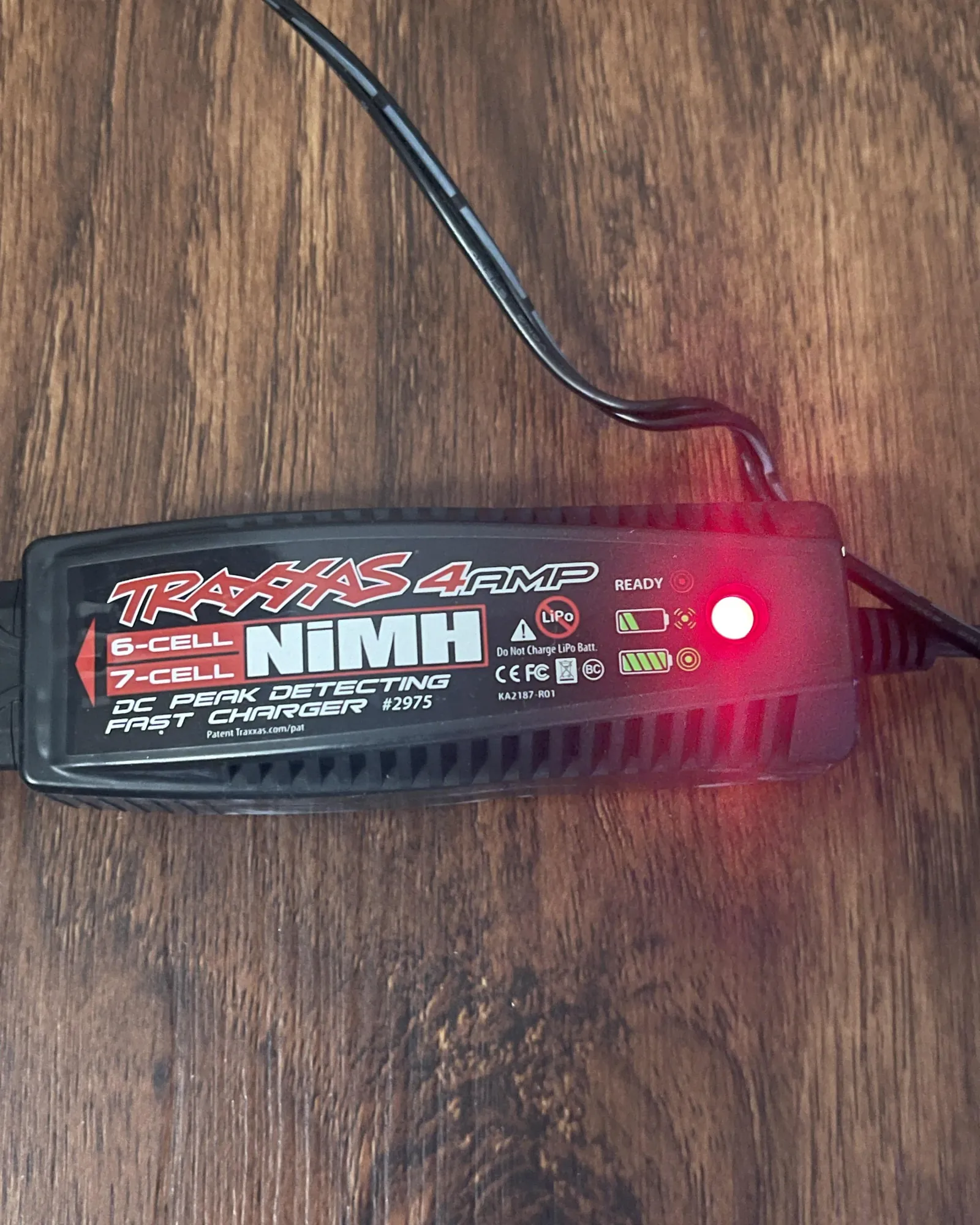
Why does my charger blink red?
A blinking red light on a Traxxas charger typically indicates an error, such as a low-voltage cell or a connection fault. Consult the specific error code chart in your charger’s manual to identify the exact meaning of the light pattern. Most of the time, this signal means the charger can’t safely communicate with the battery, and you should stop the process immediately to avoid further damage.
Conclusion
If your pack still won’t accept a charge, it’s likely time to reach out to Traxxas support or visit your local hobby shop for a professional inspection. Don’t try to force a damaged battery to work, as it isn’t worth the safety risk. You’ll be back on the track soon enough.