
Owning a remote-controlled aircraft can be an exhilarating hobby, but encountering holy stone drone problems often stops the fun in its tracks. Whether you’re dealing with a craft that refuses to lift off, a camera feed that flickers, or a GPS connection that drops without warning, these technical frustrations are common among entry-level and mid-range pilots. Understanding the mechanics of your device is the first step toward reclaiming your flight time and ensuring your investment remains in the air rather than gathering dust on a shelf.
Key Takeaways
- Always perform a compass calibration before takeoff to avoid “fly-away” incidents.
- Ensure your smartphone’s Wi-Fi settings are compatible with the drone’s specific frequency band.
- Keep your firmware updated to resolve known software bugs and connectivity glitches.
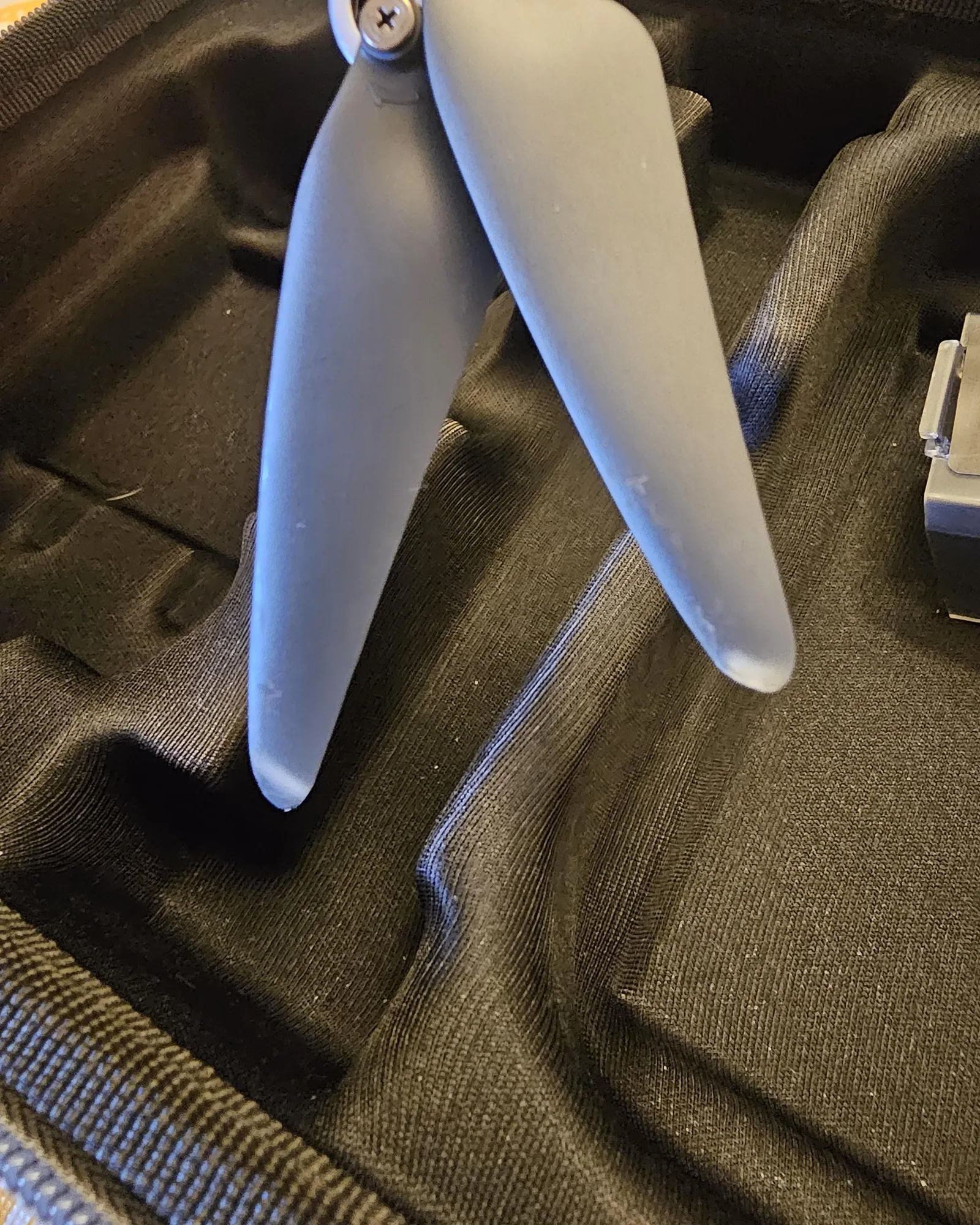
- Check your propeller integrity regularly, as even minor chips can cause unstable hovering.
- Verify that your battery is fully charged and seated correctly in the compartment.
Why Won’t My Drone Take Off?
If your aircraft refuses to spin its motors, the issue often stems from safety protocols or sensor errors. Most drones require a successful GPS lock before they allow the motors to arm. If you’re flying indoors, the lack of satellite data will prevent the drone from initializing.
- Compass Calibration: If the LED lights are flashing rapidly, the drone likely needs a manual spin calibration.
- Arming Sequence: Ensure you’re moving the control sticks to the specific “inner” or “outer” corner positions required by your model.
- Obstacle Avoidance: Some models have sensors that detect proximity to the ground or walls, preventing motor engagement.
| Issue Type | Typical Symptom | Immediate Fix |
|---|---|---|
| Power Failure | No lights on unit | Check battery terminals |
| GPS Error | Constant red flashes | Calibrate in open field |
| Signal Loss | Controller beeps loudly | Re-bind remote frequency |
Addressing Holy Stone Drone Problems
When you experience persistent holy stone drone problems, the most effective approach is a methodical reset. Start by power-cycling the drone and the controller. If the connection remains unstable, check the frequency interference in your area. Drones operating on a 2.4GHz band can suffer from signal degradation near high-voltage power lines or dense residential Wi-Fi networks.
Warning: Never attempt to calibrate your compass near large metal objects, such as cars or iron fences, as they will disrupt the magnetic readings and lead to erratic flight behavior.
How to Fix Connectivity Issues
Connectivity loss between the controller and the drone is frequently caused by outdated firmware or incompatible app settings on your mobile device. If your video feed is lagging or dropping out, check your smartphone’s background apps. Too many open processes can consume the processing power needed to decode the live video stream from your drone.
Troubleshooting Steps for Video Feed
- Close all unnecessary applications on your smartphone.
- Toggle your phone’s “Airplane Mode” on, then turn Wi-Fi back on.
- Ensure the Holy Stone application is updated to the latest version.
- Clear the app cache in your phone’s settings menu.
Resolving Erratic Flight and Drifting
If your drone constantly drifts in one direction during a hover, it likely has an imbalance in its inertial measurement unit. This unit, commonly known as the IMU, tracks the drone’s orientation. You can usually recalibrate this through the official app’s settings menu. Additionally, inspect your propellers for any hair or debris wrapped around the motor shaft, as this creates uneven drag.
- Propeller Damage: Replace any blades that show signs of stress, cracks, or bending.
- Level Surface: Always place the drone on a perfectly flat, level surface during the initial power-on process.
- Wind Conditions: Remember that small drones struggle in winds exceeding 10 miles per hour.
Battery Maintenance and Charging Tips
Battery issues often manifest as sudden power drops or short flight times. Lithium-polymer (LiPo) batteries are delicate and require specific care. If you store your batteries at full charge for extended periods, they will lose capacity and may swell. According to the Federal Aviation Administration, operators must follow specific safety guidelines regarding battery transport and storage to prevent fire hazards during flight operations.
Pro Tip: Always let your batteries cool down for at least 15 minutes after a flight before placing them on a charger to prolong their overall lifespan.
What Causes Sudden Fly-Aways?
A “fly-away” is the most feared scenario for any drone pilot. This usually happens when the drone loses its connection to the GPS or when the Return to Home (RTH) function is triggered improperly. If the drone loses signal, it will attempt to fly back to its recorded “home point.” If that point was set incorrectly or if there are trees in the path, a collision is likely.
- GPS Interference: Avoid flying near tall buildings that block satellite signals.
- Altitude Limits: Ensure your maximum altitude settings are adjusted to clear nearby obstacles.
- Controller Battery: A dying controller battery can trigger an emergency landing or RTH sequence unexpectedly.
Maintaining Your Drone Motors
The motors are the heart of your aircraft. If one motor sounds louder than the others or feels gritty when spun by hand, it may have ingested dust or sand. Use a can of compressed air to gently blow out the motor housings. Avoid using liquid cleaners or lubricants, as these can attract more dust and damage the delicate internal copper windings.
Dealing with Software Glitches
Software-related issues are common when the drone’s internal firmware doesn’t match the app’s version. If you see an error message such as “Firmware Mismatch,” visit the manufacturer’s website to download the latest firmware update. Follow the instructions carefully, as interrupting a firmware update can result in a “bricked” drone that will no longer turn on.
Understanding Light Indicators
The LED light patterns on your drone serve as a diagnostic tool. Understanding these codes is essential for troubleshooting.
| Light Pattern | Meaning | Action Required |
|---|---|---|
| Solid Green | Ready to fly | Clear for takeoff |
| Fast Flashing Red | Calibration needed | Perform compass spin |
| Slow Flashing Yellow | Low battery | Land immediately |
| Alternating Red/Blue | Searching for GPS | Wait for satellite lock |
Common Repair and Replacement Costs
When parts break, you have to decide whether to repair or replace the unit. While some components are inexpensive, labor costs can be high if you send the unit to a service center.
- Propellers: $5 – $15 per set.
- Batteries: $20 – $60 per unit.
- Landing Gear: $10 – $25 per set.
- Motor Assemblies: $15 – $40 per motor.
Frequently Asked Questions
Why does my drone keep losing GPS signal?
GPS signal loss is usually caused by environmental factors like tall buildings, dense tree canopies, or metallic structures that create interference. If you’re flying in a wide-open area and still losing signal, check if your drone’s compass is properly calibrated. Magnetic interference from nearby electronics or even underground pipes can also cause the GPS module to become unstable during flight.
Can I fly my drone in light rain?
No, you should never fly in rain, mist, or high humidity. Most consumer drones aren’t water-resistant, and moisture can easily seep into the electronic speed controllers or the flight controller board. This leads to immediate short-circuiting, which will likely cause your drone to fall from the sky. Even a small amount of internal moisture can cause irreversible corrosion to the delicate circuitry over time.
Why is my video feed jittery or freezing?
Video lag is typically a result of a weak wireless connection between the drone and the controller or the phone. Ensure your mobile device isn’t running other apps in the background. If you’re in an area with many other Wi-Fi networks, the 2.4GHz signal can become congested, leading to packet loss. Try pointing your controller antennas directly toward the drone to improve signal strength.
How often should I calibrate the compass?
You should calibrate your compass before every flight session, especially if you have moved to a new location more than a few miles away from your previous takeoff spot. Changes in the Earth’s magnetic field at different locations can confuse the drone’s sensors. If the drone starts circling or drifting unexpectedly during flight, land immediately and perform a recalibration to reset the internal mapping.
What should I do if my drone crashes?
After a crash, power off the drone and disconnect the battery immediately to prevent further electrical damage. Inspect the frame for cracks and check that the motor arms aren’t bent. Rotate each propeller by hand to ensure the motors spin freely without grinding. If the camera gimbal is tilted or unresponsive, don’t force it; it may require a delicate reset through the flight application settings.
Conclusion
Taking care of your drone requires patience and a systematic approach to maintenance. By following these troubleshooting steps, you can eliminate most common operational errors and keep your device functioning reliably. If you continue to experience hardware failures despite these efforts, contact the manufacturer’s support team directly to discuss warranty options. Your next step should be to perform a full system reset and test flight in a wide-open, clear space.