
Yes, drones make noise because their high-speed propellers cut through the air and create turbulence. Most consumer quadcopters produce a distinct buzzing or whining sound that varies in intensity depending on the motor speed and the size of the blades. You’ll find that drones naturally make noise, as the physics of spinning rotors moving through air generates acoustic energy that radiates outward from the craft.
Understanding the Sounds Drones Make
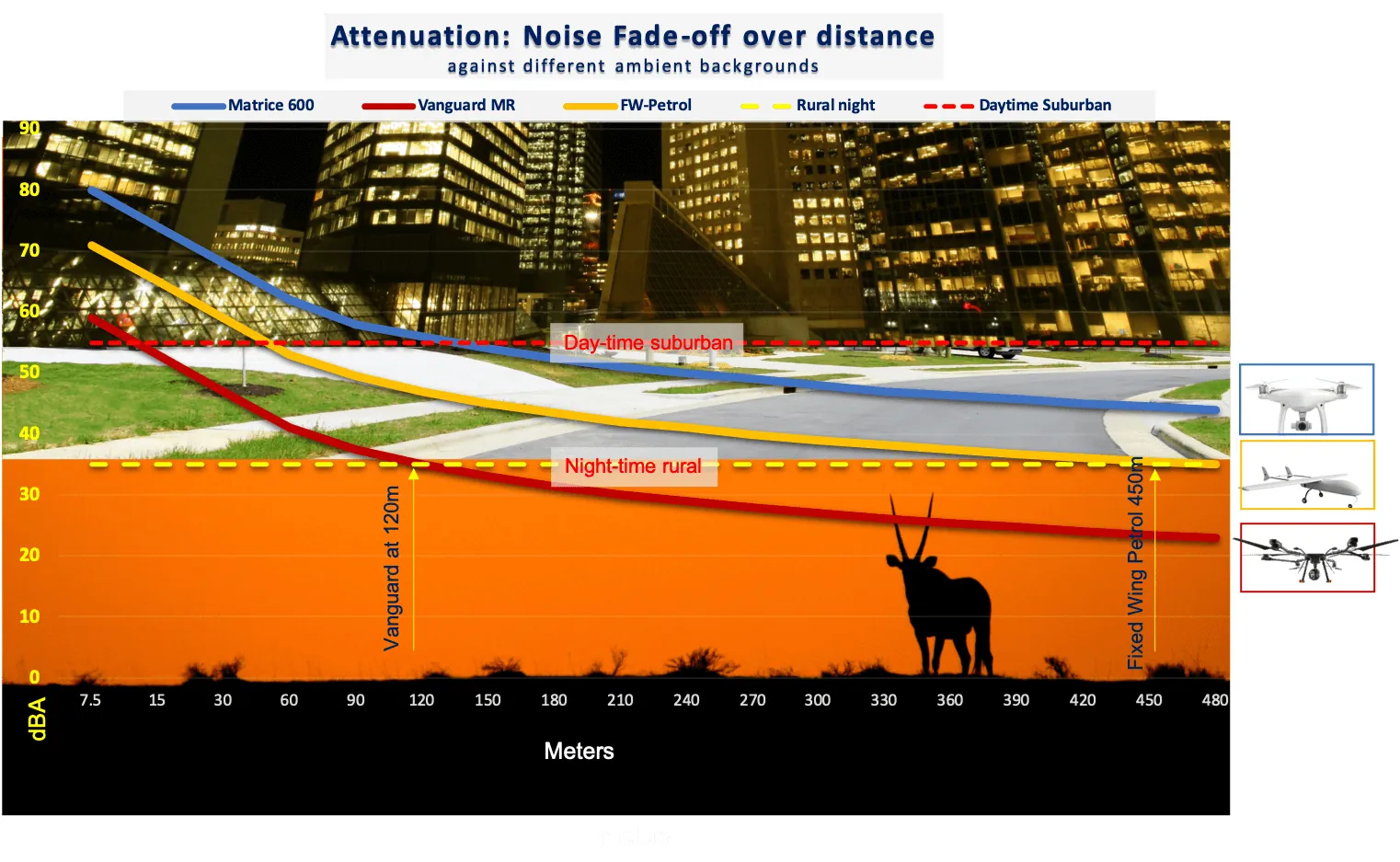
Drones create sound primarily through two mechanical sources. The first is the rapid rotation of the motors, which generate a high-pitched hum. The second, and often more noticeable, source is the interaction between the propeller blades and the air. As each blade tip passes through the air, it creates a small vortex. This constant cycle of pressure changes results in the characteristic buzzing sound that’s audible from a distance.
The volume of this sound depends heavily on the size and weight of the drone. Smaller, lightweight drones with fast-spinning motors often produce a high-pitched, mosquito-like whine. Larger industrial or professional drones move more air, which creates a lower-frequency, deeper sound that carries further across open spaces. You can observe this difference by comparing the acoustic profile of a palm-sized hobby drone to a heavy-lift cinema platform.
If you’re trying to determine how much noise a specific model will generate, look at the propeller tip speed. When the tip speed approaches the speed of sound, the drone produces a jarring, harsh noise. If the blades are shorter or the motor turns at a lower RPM, the sound remains muffled and less intrusive. Use this rule: if the drone is designed for speed, it will always be louder than one designed for stable photography.
Environmental factors also change how you perceive the sound. In an open field with no obstacles, the sound waves travel in a straight line toward your ears. If the drone flies near buildings or trees, the sound reflects off these surfaces, which can make it appear louder or coming from a different direction. Wind can also mask the noise, though it usually makes the drone work harder to maintain stability, which increases the motor speed and noise output.
Many operators make the mistake of assuming a drone is silent once it climbs above 200 feet. While the volume drops, the frequency shifts into a range that cuts through ambient city noise, making it more noticeable to human ears than a louder sound at ground level. If you’re flying in a residential area, expect the drone to be audible even when it’s physically difficult to spot in the sky.
According to the Federal Aviation Administration, the sound levels of small unmanned aircraft typically range from 60 to 75 decibels when measured at a distance of about 50 feet. This is roughly equivalent to the sound of a vacuum cleaner or a loud conversation.
You should keep in mind that this measurement assumes a standard flight path in calm conditions. If the drone performs aggressive maneuvers or faces high winds, the noise output will increase significantly. Always test your drone in a controlled environment to establish its baseline decibel level before flying near sensitive areas.
Factors Affecting Drone Volume
| Situation | What changes | What to do instead |
|---|---|---|
| High altitude | Distance reduces volume | Fly further away |
| Aggressive flight | Motor speed increases | Use smooth movements |
| Cold air | Air density changes | Adjust flight expectations |
| Heavy payload | Motor load increases | Reduce unnecessary weight |
| Enclosed spaces | Echoes amplify sound | Fly in open areas |
Sound perception drops off following the inverse square law. Doubling your distance from a listener reduces the perceived sound pressure level by roughly 6 decibels. If you’re filming near a crowd, maintaining a 50-foot vertical buffer is the most effective way to drop the drone below the ambient noise floor of a typical city street.
Aggressive flight maneuvers force your Electronic Speed Controllers to spike current to the motors. This creates a high-frequency whine as the propellers fight against rapid changes in torque. Instead, use a constant, steady velocity. If you must change direction, execute wide, banking turns rather than sharp, abrupt stops to keep the motor RPM stable.
Cold air is denser than warm air, which forces propellers to work harder to generate the same amount of lift. You’ll notice a distinct increase in motor pitch when flying in temperatures below 40 degrees Fahrenheit. If your battery is cold, the voltage sag will cause the motors to spin faster to compensate for the lost power, further increasing noise. Keep your batteries in an interior pocket until the moment of takeoff.
Weight is the primary driver of acoustic output. Every extra ounce of payload requires a higher baseline RPM to maintain a hover. If you’re carrying a heavy cinema lens, remove the lens hood or protective filters that aren’t essential for the shot. A drone stripped of 100 grams of non-essential weight will operate at a lower, less intrusive frequency.
Enclosed spaces like concrete parking garages or narrow alleys act as acoustic resonators. These surfaces reflect sound waves, effectively doubling the noise footprint. If you must fly near buildings, stay at least 20 feet away from reflective walls to prevent the sound from bouncing back toward your subjects. If the drone sounds louder to you than it did in an open field, it will sound twice as loud to everyone else.
How to Reduce Drone Noise
You can’t silence a drone completely, but you can choose equipment that operates more quietly. Most manufacturers now offer “low-noise” propeller options for popular models. These propellers have a different shape or a softer edge that reduces the turbulence created as they slice through the air. If you need to fly in a sensitive area, changing to these specialized blades is the most effective hardware adjustment you can make.
Frequently Asked Questions
How loud is a standard drone?
A standard consumer drone typically produces between 60 and 75 decibels of sound when measured at a distance of 50 feet. This level is comparable to the noise of a modern household vacuum cleaner or a loud conversation. If you stand closer than 50 feet, the sound will be significantly louder, while moving to 100 feet or more will make the sound blend into the background noise of the environment.
Do larger drones make more noise?
Yes, larger drones generally produce more noise because they require larger propellers to generate lift. These larger blades move a greater volume of air, which creates more acoustic energy than the smaller, high-speed blades found on compact drones. While the pitch may be lower and less irritating to some people than the high-pitched whine of small drones, the total sound pressure level is usually higher for larger, heavier aircraft.
Does flight speed affect noise levels?
Yes, the noise level increases as the drone moves faster because the motors must spin at higher revolutions per minute to overcome air resistance. When a drone hovers, it uses the minimum power required to stay aloft, which results in the lowest noise output. If you fly at full speed, the motors work at maximum capacity, which forces the propellers to create more turbulence and, consequently, more noise.
Is there a silent drone?
No, there’s no such thing as a silent drone because the movement of air by propellers creates unavoidable noise. Even if you use high-end motors that run quietly, the physical act of pushing air to create lift will always generate sound. While some advanced designs are much quieter than others, physics prevents any propeller-based aircraft from operating in total silence during flight.
Does the material of the propeller change the noise?
Yes, the material and the stiffness of the propeller blades affect the sound quality. Rigid carbon fiber propellers can sometimes produce a sharper, more piercing sound compared to softer, flexible plastic blades. However, the shape of the blade is much more important than the material itself. A well-designed blade with a curved tip is almost always quieter than a standard flat blade, regardless of the material used to manufacture it.
What happens if I fly in windy conditions?
If you fly in windy conditions, your drone will produce more noise because the flight controller must constantly adjust motor speeds to keep the aircraft stable. This constant correction forces the motors to work harder than they would in calm air. You’ll hear the pitch of the drone change frequently as the motors fight the gusts, which makes the overall sound more noticeable and louder than a steady hover.
Conclusion
The noise a drone makes is a direct result of its physical design and the effort required to stay airborne. By selecting quiet-propeller designs and flying smoothly, you can minimize the sound footprint of your flights while respecting the environment around you. Always check your local regulations before flying, as many areas have specific rules about where and when you can operate your drone regardless of how much noise it produces.