
You can fix most traxxas ez start problems by checking the battery charge, the glow plug condition, and the wiring connections. The most common cause is a drained battery that lacks the power to turn the motor and heat the glow plug at the same time. If your unit doesn’t spin, the battery is almost always the first place to look.
Troubleshoot your Traxxas start system
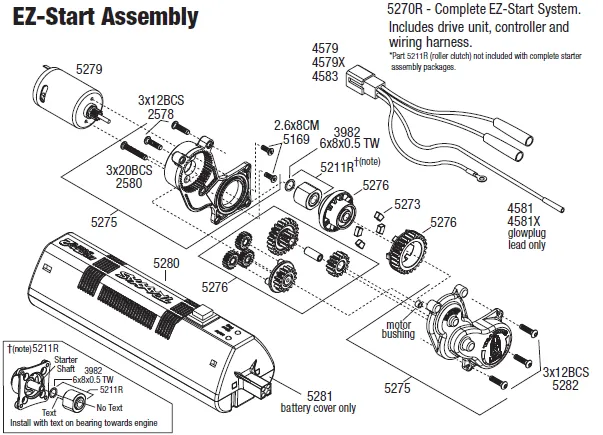
The starting system relies on a precise electrical flow to operate the motor and the glow plug simultaneously. When the battery voltage drops, it can’t provide enough current for both tasks. If the system struggles to engage, have a technician test the battery pack health.
Another frequent cause involves the glow plug itself. This small component acts like a heating element inside the engine. If the filament inside the plug is burnt out or flooded with excess fuel, the system won’t ignite the air-fuel mixture. You can test this by removing the plug and touching it to the wand connector. If the coil doesn’t glow a bright orange color, the plug is faulty and needs a replacement.
Finally, check for frayed wires or loose connectors near the motor. Because these vehicles experience heavy vibrations during use, internal connections can work themselves loose over time. Even a small break in the circuit prevents the signal from reaching the starter motor. You can find the official troubleshooting guide on the manufacturer website to confirm the specific wiring diagrams for your model.
Charge the power source
This step is for users who notice the starter motor is turning slowly or not at all. Start by removing the battery pack from the handheld unit. Connect it to your wall charger and wait for the indicator light to show a full charge. If you’re using a standard NiMH pack, this process usually takes between 4 to 6 hours depending on the charger output.
If the indicator light remains red after eight hours, the charger has likely failed. Check the outlet with a lamp to confirm power, then have a technician test the charger to determine if it’s dead.
Once the battery is full, inspect the metal contacts on both the battery and the wand. If you see white or green corrosion, clean them gently with a small piece of fine-grit sandpaper or a pencil eraser. This ensures a clean path for the electricity to travel.
If the motor still sounds sluggish after a full charge, the internal battery cells might be failing to hold a charge. In this case, you should replace the pack rather than continuing to use it. A weak battery forces the motor to draw higher current, which can overheat and permanently damage the starter windings.
Replace the glow plug
If the motor spins fast but the engine refuses to fire, the glow plug is likely the issue. Use a 5/16-inch or 8mm glow plug wrench to unscrew the plug from the top of the cylinder head. Be careful not to drop any dirt into the open engine hole while the plug is removed. Once it’s out, inspect the small coil at the bottom.
If the coil looks broken, distorted, or is covered in thick, dark oil, it won’t heat up enough to start the engine. If the coil remains intact but the engine still fails to start, test the plug by connecting it to a fresh igniter. If the coil doesn’t glow a bright, consistent orange within two seconds, the plug is internally degraded and must be replaced.
Install a new, high-quality glow plug by hand first to ensure the threads align correctly. Use the wrench to tighten it until it’s snug, but don’t overtighten it. Stripping the delicate threads in the engine head is a common mistake that costs the price of a full cylinder head replacement.
If you feel resistance before the plug is fully seated, back it out immediately to prevent cross-threading. If you’re new to maintenance, visit a hobby shop to watch how they seat the plug.
Inspect the wiring harness
This fix is for cases where the wand lights don’t turn on when you push the button. First, look at the wire that runs from the wand to the motor. If you see any cuts, pinched sections, or exposed copper, the circuit is broken. You should try to solder these connections if you have experience, or replace the entire harness if the damage is severe.
If the wires look fine, inspect the connector that plugs into the engine block. Sometimes, vibration pushes the pins out of their plastic housing. Use a small flathead screwdriver to gently push the pins back into place until you feel a click.
If the pins are seated but the system remains dead, perform a continuity test. If the meter indicates an open circuit while the trigger is depressed, the internal switch is faulty. Many users mistakenly replace the entire motor assembly when only the inexpensive microswitch has failed.
If you have a unit manufactured before 2021, check for corrosion at the terminal pins. A light scrubbing with a fiberglass pen removes oxidation that blocks current. If you aren’t comfortable working with electrical components, a local hobby shop technician can test the switch for you. This saves you from buying unnecessary parts.
Avoid common mistakes
Don’t use a standard car battery to jump-start the system, as the high amperage can cause damage if the system is shorted or improperly connected. If you must use an external power source, have a technician verify that your jump pack provides the correct regulated voltage and amperage.
Don’t force the starter motor to turn for more than 10 seconds at a time. The heat generated will melt the internal plastic gears, turning a simple fix into a total unit replacement. If the engine fails to catch, wait at least 60 seconds to allow the motor housing to dissipate that thermal load.
Don’t ignore a flooded engine by repeatedly pressing the start button. This causes a hydraulic lock that bends the connecting rod, often totaling the engine block. If you smell raw gasoline, hold the throttle wide open while cranking to clear the excess fuel.
Keep the system running
You can prevent these issues by following a simple maintenance routine after each run. The goal is to keep the electrical connections clean and the engine clear of excess fuel.
| If you’re doing this | Do this instead | Why |
|---|---|---|
| Leaving fuel in the tank | Empty the tank after use | Fuel degrades and clogs the lines |
| Storing the battery dead | Charge before putting it away | Deep discharge ruins battery life |
| Using a dirty wand | Wipe contacts with alcohol | Dirt blocks the electrical signal |
| Forcing a stuck motor | Clear the engine manually | Prevents stripped starter gears |
If you plan to store the unit for more than two weeks, add a fuel stabilizer to the tank before the final run. This prevents gum from forming in the carburetor, which is the most common cause of hard starting next season.
Check your electrical contacts for corrosion if you notice intermittent power loss. A light blue or white crust indicates oxidation. If you see this, scrub the terminals with a fine wire brush before applying a thin coat of dielectric grease. This simple step stops moisture from reaching the metal and saves you from replacing the entire wiring harness.
If the motor hums but fails to turn, stop immediately. Attempting to force the start will strip the plastic teeth on the starter gear. Instead, unplug the battery and rotate the flywheel by hand until it spins freely. If it remains seized, the internal piston is likely obstructed by debris.
Related guides
Frequently asked questions
How long does the battery last?
A fully charged battery typically provides enough power for 10 to 15 engine starts. This assumes the engine is tuned correctly and starts within a few seconds of cranking. If your engine requires long cranking times, the battery will drain much faster.
Is it safe to use a higher voltage battery?
No, you should never use a battery with a higher voltage than the one recommended by the manufacturer. Using a higher voltage will cause the starter motor to spin too fast and generate excessive heat, leading to immediate failure. Always check your manual for the specific voltage requirement.
Why do the lights on the wand blink?
The lights on the wand blink when the system detects a short circuit or a connection issue. A red blinking light often means the glow plug isn’t getting power or the battery is too low. Check your glow plug first, as this is the most common reason for the warning light.
Can I fix the starter motor if it’s stripped?
No, you can’t repair the internal gears of the starter motor once they’re stripped. The gears are made of plastic and are designed to be replaced as a complete assembly if they fail. You’ll need to purchase a replacement starter gear set and install it.
What happens if I get fuel on the electronics?
Fuel can degrade the plastic casing and corrode the electrical contacts if it isn’t cleaned off quickly. If you spill fuel on the wand or the motor, wipe it away immediately with a clean, dry cloth. Never use water or household cleaners, as these can cause permanent damage.
Conclusion
If these quick checks don’t get your engine roaring, don’t get discouraged. Sometimes the internal gears just need a little cleaning or a fresh start. Reach out to a local hobby shop or browse online forums to see if others have faced similar quirks. You’ll be back on the track soon enough.