
An rc car turns off while driving most often because the battery voltage drops below the safety threshold of the speed controller. When the power level dips, the electronic speed controller (ESC) automatically shuts down to protect the cells from permanent damage. You should stop using the vehicle immediately if you notice the steering still works but the throttle does not. Continuing to push a dying battery can cause it to swell or fail entirely. If the car stops suddenly, check the battery connectors and the voltage level before attempting to run it again.
Preventing your car from turning off while driving
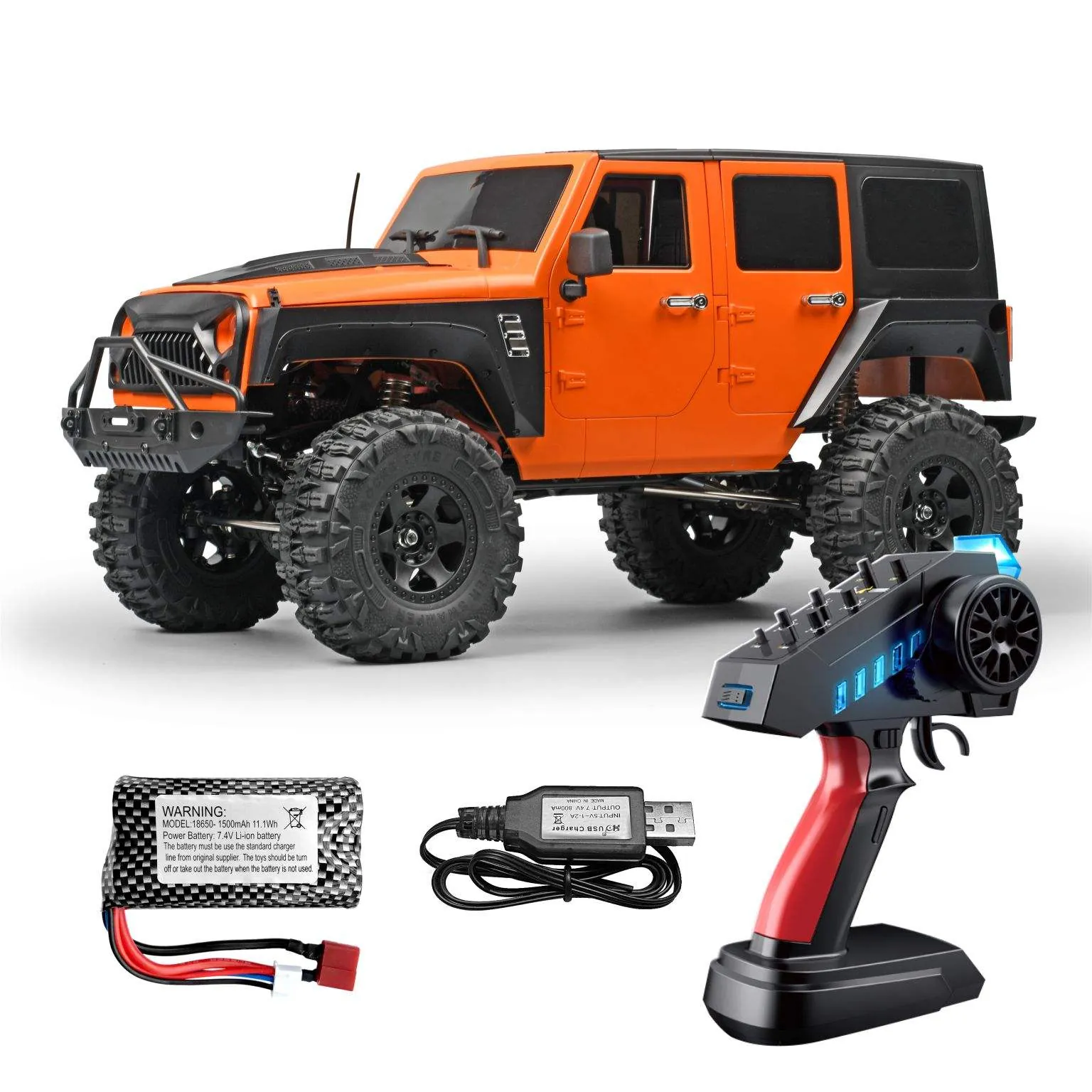
If you notice your vehicle losing power, take these steps immediately to prevent permanent damage to the electronics or the battery pack.
Bring the vehicle to a complete stop on a flat, dry surface away from any water or traffic. Turn off the power switch on the car itself to stop the battery from draining further. Disconnect the battery pack from the ESC by pulling the plastic connectors apart firmly. Never pull by the wires themselves, as this can damage the internal connections or pull the wires out of the connector housing.
Inspect the battery for any signs of physical damage, such as swelling, punctures, or a burnt smell. If the battery casing feels warm to the touch, leave it in place for at least fifteen minutes before attempting to move it.
Move the battery to a cool, non-flammable area away from curtains or carpets while it cools down. If you detect a sweet, chemical odor, place the battery inside a metal bucket or on a concrete floor until you can safely dispose of it.
Understanding why the power cuts out
The main reason for a sudden power loss is the low-voltage cutoff (LVC) setting on your electronic speed controller. Modern lithium-polymer (LiPo) batteries are sensitive to voltage; if they drop below roughly 3.0V to 3.2V per cell, the chemical structure inside the battery can become unstable.
The Consumer Product Safety Commission notes that improper handling or over-discharging of lithium batteries can lead to fire risks. To prevent this, manufacturers program the ESC to cut power to the motor once the voltage hits a specific low point, leaving just enough energy to keep the steering servo active so you can still control the car’s direction.
If your car stops while the battery still shows a high voltage on a meter, the issue is likely a high-resistance connection rather than a depleted cell. Check the bullet connectors between the ESC and the motor for signs of discoloration or heat damage. A dark, charred plastic housing indicates the connection is arcing, which creates enough resistance to trigger a false LVC shutdown. Replace these connectors immediately to restore consistent power flow.
Another common cause is loose or corroded wiring. High-vibration environments, like off-road tracks, can cause internal wires to fray or connectors to loosen. If a connection is loose, the resistance increases, causing the ESC to sense a voltage drop even if the battery is fully charged.
This creates a “brownout” effect where the system resets itself. You can test this by gently wiggling the battery wires while the car is turned on; if the lights flicker or the motor cuts out, you have a bad connection.
Finally, heat plays a massive role. If the motor or the ESC gets too hot, the built-in thermal protection will shut the system down to prevent the components from melting. This often happens if you’re driving in tall grass, using a gear ratio that’s too high, or running the car in very hot weather.
If the car works again after sitting for 15 minutes, overheating is the likely culprit. If the thermal cutoff triggers repeatedly, drop your pinion gear size by two teeth to reduce the load on the motor.
Checking for faults in order
Start with the simplest checks to save time and money, moving from basic connections to component testing.
Inspect the battery plug
Look at the plastic housing of the battery connector. If the pins inside are loose or the plastic looks melted, the connection is poor. A loose plug creates high resistance, which triggers a false low-voltage shutdown.
Check for frayed wires
Trace the wires from the battery to the ESC. Look for areas where the insulation is rubbed thin or the wire is pinched by the chassis. A short circuit here will cut power instantly.
Measure battery voltage
Use a digital multi-meter or a dedicated LiPo checker. A healthy 2S battery should read above 7.4V when charged. If your reading is below 6.0V, the battery is likely dead or has a bad cell.
Test the motor temperature
Touch the motor casing carefully after a short run. If you can’t keep your finger on it for more than two seconds, it’s overheating. You may need a smaller pinion gear to reduce the strain.
Inspect the ESC fan
Check if the small cooling fan on top of the ESC is spinning. If it’s blocked by dirt or debris, the ESC will hit its thermal limit quickly. Clean the fan with compressed air.
Fixing the power loss
The most frequent fix involves replacing a damaged battery connector or adjusting the ESC settings. If the connectors are loose, cut them off and solder on new, high-quality plugs like XT60 or Deans connectors. Ensure you use heat-shrink tubing to cover the solder joints completely. A cold solder joint—one that looks dull or grainy—will create resistance and cause the power to drop under heavy load.
If the problem is the LVC setting, use a programming card specific to your ESC brand. Some ESCs have “soft” or “hard” cutoff modes; setting it to “soft” allows the car to lose speed gradually rather than stopping instantly. If you lack a card, check the manual for the throttle-stick calibration sequence.
If the issue is heat, ensure the motor has enough airflow. You can mount a small cooling fan directly onto the motor heat sink if your chassis has the space. For those running in tall grass or heavy sand, switch to a smaller pinion gear. Dropping two teeth on the pinion reduces the load on the motor and lowers the current draw significantly.
If you have two identical batteries, swap them to see if the issue follows the battery or stays with the car. If the car runs fine with a different battery, the first battery has a weak cell that can’t handle the current. A single cell dropping below the required voltage under load is a job for a technician to test.
Check the internal resistance of your batteries using a smart charger. A healthy LiPo cell typically shows under 10 milliohms of resistance. If a cell measures above 30 milliohms, it’s nearing the end of its life and will cause consistent power loss regardless of your settings. A successful fix is confirmed when the car completes a full run without cutting out. If the problem returns after troubleshooting, the battery is likely permanently damaged.
When to seek expert help
If you have verified that the battery is fully charged and the connections are tight, but the car still shuts down, the internal circuitry of the ESC or the motor might be faulty.
You should stop attempting DIY repairs if you notice smoke, a sweet chemical smell, or if the ESC casing is cracked. These are signs of internal component failure that require professional diagnostic tools. Don’t attempt to open the ESC case or solder directly onto the circuit board unless you have specific training in electronics repair.
Most hobbyists make the mistake of assuming a motor failure is always electrical. If the car stutters during acceleration but runs smoothly at low speeds, the issue is often a mechanical bind in the drivetrain rather than a fried ESC. Check your gear mesh for debris before heading to the shop. If the gears turn freely by hand, then the failure is likely electronic.
Take your vehicle to a local hobby shop that specializes in radio-controlled cars. They can use a “bench tester” to check the current draw of the motor and verify if the ESC is sending the correct signals.
When you arrive, tell the technician exactly what you have checked: mention that the battery voltage is correct, the wires are secure, and the motor isn’t physically obstructed. This saves them time and helps them pinpoint whether the issue is a faulty sensor or a burnt-out capacitor.
Frequently asked questions
Can a bad battery cause an rc car to turn off?
Yes, a bad battery is the most common cause of sudden power loss. If one cell in a multi-cell pack has high internal resistance, the voltage will drop instantly under load, triggering the electronic speed controller’s safety cutoff.
How long should an rc car battery last?
A standard LiPo battery typically lasts between 15 and 25 minutes depending on your driving style and the battery’s capacity. You can calculate the expected time by dividing the battery’s milliamp-hour (mAh) rating by the motor’s average current draw in milliamps.
Is it safe to keep driving when the car slows down?
No, you should never keep driving once the car loses power or slows down unexpectedly. If you continue, the voltage may drop into a range that makes the battery chemically unstable, which can lead to permanent damage or fire.
What happens if I ignore the low voltage cutoff?
If you ignore the cutoff, you risk “over-discharging” the battery cells, which causes them to puff up or lose the ability to hold a charge. Once a LiPo cell drops below its chemical safety limit, it’s usually permanently ruined and must be recycled safely.
Does the weather affect how long the car runs?
Yes, cold weather significantly reduces battery performance and runtime. Batteries rely on chemical reactions that slow down in freezing temperatures, causing the voltage to drop faster than it would on a warm day.
How do I know if my ESC is broken?
Your ESC is likely broken if the car has no response even with a fully charged battery and secure connections. If the LED status light on the ESC doesn’t turn on or flashes an error code when you pull the throttle, the internal board has failed.
Does changing the gear ratio fix power cuts?
Yes, changing to a smaller pinion gear reduces the load on the motor and lowers the current demand. If your car cuts out only when driving on high-resistance surfaces like grass or carpet, a smaller gear will usually prevent the ESC from overheating.
Conclusion
If you have tried these steps and the car still shuts down, check your radio transmitter’s battery level as well. A dying transmitter battery can cause signal interference that mimics a power failure, even if the car’s main battery is perfectly healthy.