
Finding your gear dead when you’re ready to fly or drive is frustrating, especially when you realize your lipo battery wont charge as expected. Lithium-polymer batteries are sensitive power sources that require specific voltage thresholds to trigger the charging cycle. When a cell drops below a certain level, the internal protection logic of your smart charger may refuse to recognize the pack, leading to the dreaded “low voltage” or “connection break” error messages. Understanding the chemistry and safety protocols of these cells is the first step toward determining if your battery is salvageable or if it has reached the end of its functional life.
Key Takeaways
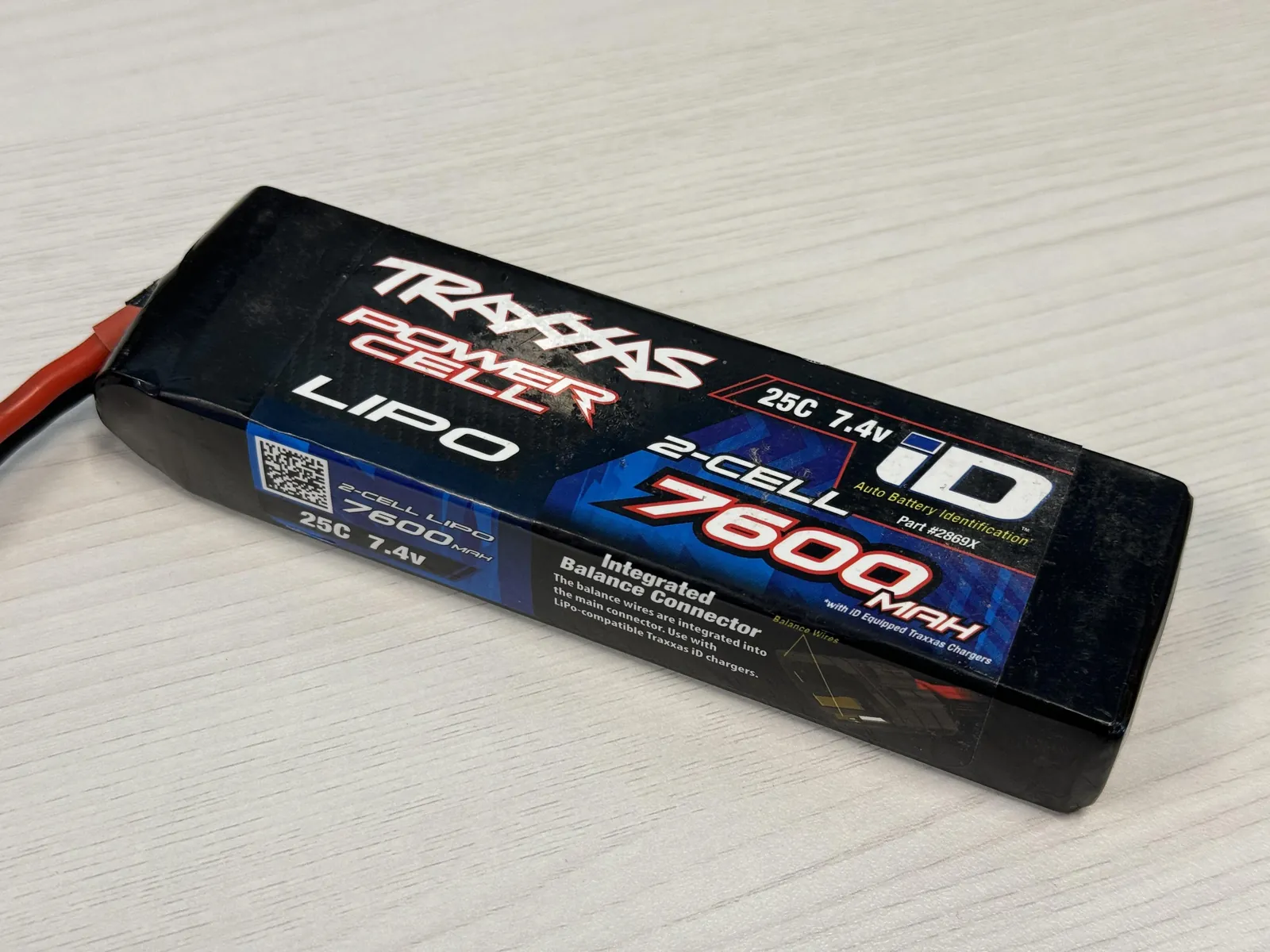
- Check your balance leads for loose wires or oxidized pins before assuming the battery is dead.
- Never attempt to charge a battery that shows signs of physical swelling, puffing, or punctures.
- Smart chargers often reject cells that have dropped below 3.0V per cell for safety reasons.
- Voltage recovery methods carry inherent fire risks and should only be performed in fireproof bags.
- Always dispose of damaged lithium batteries at a certified hazardous waste collection facility near you.
Why Won’t My Battery Charge?
The most common reason for a charging failure is the low voltage lockout. Most modern micro-processor chargers are programmed to detect the cell count of a battery automatically. If the voltage is too low, the charger can’t accurately determine the cell count and will stop the process to prevent a fire hazard.
Another frequent culprit is a broken balance lead. Because the charger monitors each cell individually through the balance connector, a single broken wire or a corroded pin will cause the charger to report a connection error, effectively halting the charge cycle entirely.
Common Failure Points
| Failure Type | Symptom | Likely Cause |
|---|---|---|
| Connection Error | “Check Battery” message | Broken balance wire or pin |
| Voltage Error | “Low Voltage” alarm | Deep discharge below 3.0V |
| Internal Failure | Charger stops abruptly | High internal resistance |
| Physical Damage | Puffy or soft casing | Cell gas buildup or puncture |
Inspecting Your Charging Equipment
Before blaming the battery, verify that your charging hardware is functioning correctly. Chargers can fail, power supplies can fluctuate, and cables can develop internal breaks that aren’t visible to the naked eye. Try plugging a different battery of the same chemistry and cell count into your charger.
If the secondary battery charges normally, the issue is isolated to your original pack. If the second battery also fails to charge, you likely have a faulty charger, a loose power lead, or an incorrect setting in the user interface. Always ensure your input power source is stable and providing the correct wattage for the charger being used.
Troubleshooting Why Your Lipo Battery Wont Charge
- Power Supply: Ensure the AC/DC adapter is firmly seated in the wall and the charger input port.
- Banana Plugs: Check for loose or frayed connections where the battery meets the charging leads.
- Balance Board: Inspect the pins on the balance board for bending, oxidation, or debris.
- Firmware: Check if your charger requires a firmware update to recognize newer battery chemistries.
When Is A Battery Unsafe?
Safety must remain your primary concern when dealing with lithium-polymer cells. If a battery is physically damaged, it should never be placed back on a charger. Look for signs of physical deformation, such as a bloated or “puffy” appearance.
A battery that has been punctured or crushed is a significant fire hazard and should be retired immediately. If your battery feels warm to the touch without having been charged, or if it emits a sweet, chemical odor, place it in a non-flammable container and keep it away from structures.
Can You Save A Deeply Discharged Battery?
If a battery has been left sitting for months and the voltage has sagged below the safety threshold, some advanced users attempt to “wake up” the battery. This involves setting the charger to a NiMH (Nickel-Metal Hydride) mode for a very short duration—often just a few seconds—to push a tiny amount of current into the cells until they reach the minimum voltage required for the charger to recognize them as a LiPo.
Warning: This technique bypasses the safety checks of your charger and is extremely dangerous. If you choose to attempt this, you must monitor the battery temperature constantly. If the battery begins to heat up, stop immediately. Never leave the battery unattended during this recovery process, and always perform this procedure inside a fire-retardant lipo bag to contain any potential sparks or flames.
Understanding Internal Resistance
Internal resistance (IR) is a measure of how efficiently your battery can deliver power. As a battery ages, its internal resistance increases. If the IR is too high, the charger may view the battery as faulty and refuse to charge it. You can check the IR levels on most modern chargers. If the values are consistently high across all cells, the battery is likely worn out.
If only one cell shows abnormally high resistance compared to the others, that specific cell has likely failed, making the entire pack unreliable for high-drain applications like drones or RC cars. Replacing a battery with degraded internal chemistry is the only safe path forward once the IR values exceed the manufacturer’s recommendations.
Proper Storage And Maintenance
To prevent future charging issues, you must manage your batteries correctly when they aren’t in use. Never store a LiPo battery fully charged or completely empty for an extended period. The ideal storage voltage is approximately 3.80V to 3.85V per cell.
This state of charge minimizes the chemical stress on the internal plates and prevents the voltage from dropping into the “danger zone” where the charger will eventually reject the pack. Use the storage mode feature on your charger after every session to ensure your batteries stay within this healthy range.
Essential Battery Maintenance Rules
- Storage Charge: Always bring your batteries to 3.80V per cell if you aren’t using them within 48 hours.
- Temperature Control: Store batteries in a cool, dry place, away from direct sunlight or extreme heat.
- Regular Checks: Inspect your batteries for physical signs of damage before and after every charge cycle.
- Balance Charging: Always use the balance port to ensure each cell remains equal in voltage.
- Quality Cables: Invest in high-quality charging leads to prevent voltage drops during the charging process.
How To Dispose Of Damaged Batteries
Once you have determined that a battery is truly dead or damaged, you must dispose of it properly. Never throw lithium batteries in your household trash, as they can cause fires in garbage trucks or processing facilities. Instead, locate a local hazardous waste collection center or an electronics recycling facility that accepts lithium-polymer batteries.
Many hobby shops also provide battery recycling bins for their customers. Before dropping off the battery, it’s common practice to fully discharge it by placing it in a container of saltwater for several days. This process neutralizes the electrolyte, making the battery safer to transport and process for recycling.
Frequently Asked Questions
Why does my charger show a connection error?
A connection error usually indicates that the charger can’t detect the voltage of one or more individual cells. This is almost always caused by a broken or loose wire within the balance lead connector. Inspect the pins inside the white plastic plug and the wires leading to the battery. If a wire is snapped, the charger won’t be able to read the cell voltages correctly.
Can I charge a battery that’s slightly puffy?
No, you shouldn’t charge a puffy battery. Puffing is caused by the buildup of gas inside the cell, which is a symptom of chemical decomposition or over-discharge. Charging a damaged cell can lead to thermal runaway and fire. It’s safer to treat a puffy battery as a hazardous waste item and recycle it immediately rather than risking your equipment and safety.
What is the minimum voltage for a LiPo cell?
The absolute minimum voltage for a lithium-polymer cell is generally considered to be 3.0V. If a cell drops below this level, the internal chemistry begins to break down, and the cell is permanently damaged. Most chargers will refuse to start a charge if the voltage is below 3.0V per cell because the battery is no longer capable of holding a stable charge safely.
Is it safe to leave a LiPo battery on the charger overnight?
No, you should never leave a lithium-polymer battery charging unattended, especially not overnight. While modern chargers have automatic shutoff features, electronic components can fail. If the charger fails to stop the cycle, the battery can overcharge, swell, and potentially catch fire. Always charge your batteries in a location where you can monitor them and keep them in a fireproof bag while the process is active.
Conclusion
Taking the time to properly diagnose your battery will save you money and ensure your equipment remains safe. If you have confirmed that the battery is physically intact but simply dropped below the voltage threshold, you may attempt a slow recovery, but always prioritize safety over saving the pack. If the battery is damaged, swollen, or refuses to take a charge after multiple attempts, stop using it immediately and find a local recycling center to dispose of it securely.