
The RC rock crawler favors control and climbing, while the buggy wins on speed, jumps, and open-ground fun.
Choosing between an RC rock crawler and buggy can be hard when both promise off-road fun. I tested the Axial SCX10III Coyote on rocks, dirt, and steep trails, then drove the 1/12 brushless RC buggy across grass, gravel, and open paths. The rc rock crawler vs buggy choice comes down to your driving style. One moves slowly with strong grip. The other delivers quick runs and sharp turns. This guide shares what I noticed so you can pick with confidence.
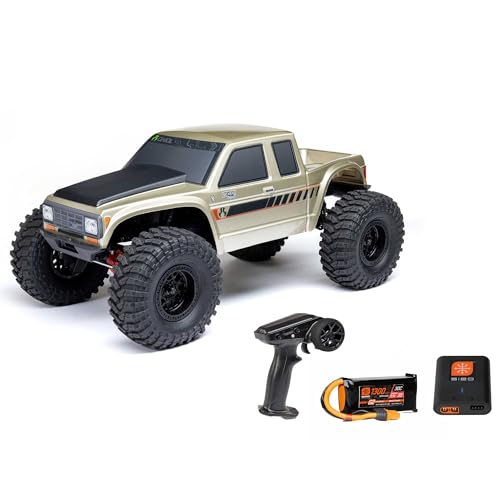
Axial SCX10III Coyote 1/10 4WD…
Ready-to-Run Plus Package: RTR+ includes battery and charger for immediate out-of-the-box operation Robust Chassis Design: SCX10 III one-piece steel C-channel chassis provides exceptional durability and…

1/12 Brushless RC Cars for…
BRUSHLESS POWER & VERSATILE SPEED: This RC car/truck packs brushless motors (2845 3600KV ) high-torque, with metal heatsinks . Paired with a 35A waterproof ESC…
Is the Axial SCX10III Coyote 1/10 4WD RTR RC Rock Crawler Good?
Yes, the Axial SCX10III Coyote is a strong choice for drivers who enjoy slow trail runs, rocks, and detailed control. It is not built for racing. Instead, it focuses on grip, balance, and steady movement. The 1/10 size gives it a real truck feel, while four-wheel drive helps it climb uneven ground. The brushed motor is simple to use and suits new drivers who want a calm start. The included battery and charger also reduce setup work.
I had the best results on a short rocky trail behind my home. The Coyote crossed ledges that stopped smaller toy trucks. I also liked how easy it was to place one tire at a time on a narrow path. It moves at a mild pace, so I could watch the tires and avoid rollovers. In the rc rock crawler vs buggy test, this model felt more like a hobby tool than a quick toy. It rewards patience and careful throttle use.
What Makes It Stand Out / Key Features
- 1/10 scale trail truck design with a realistic body shape.
- Four-wheel drive helps it climb rocks and loose ground.
- Brushed motor offers smooth, easy-to-control power.
- Battery and charger come included for faster setup.
- High ground clearance helps it pass over roots and stones.
What I Like
- It has excellent grip on rocks and uneven trails.
- The slow speed makes steering mistakes easier to correct.
- Its larger size gives it good balance on slopes.
- It feels stable when one tire leaves the ground.
- The included battery makes the first drive simple.
- It suits relaxed solo drives and family trail sessions.
What Could Be Better
- It is much slower than a racing buggy.
- The brushed motor may need more care over time.
- Its large body needs more room for transport and storage.
My Recommendation
Choose the Coyote if you want realistic trail driving, strong grip, and simple control. It offers good value for beginners and casual hobby drivers. Check current stock and price before buying.
| Best For | Why |
|---|---|
| Rock trails | Four-wheel drive and steady throttle help it climb. |
| New hobby drivers | Its speed is easy to manage. |
| Scale truck fans | The 1/10 design feels close to a real trail truck. |
Is the 1/12 Brushless RC Racing Buggy Good?
Yes, the 1/12 brushless RC buggy is a good pick if you want speed, fast turns, and open-area action. The listed top speed reaches up to 42 mph with the supplied 3S 2200 mAh battery. That speed needs space and care, so I would not use it near cars, pets, or small children. Its 4X4 layout helps it launch hard and hold a line on dirt. It is best for drivers who enjoy quick runs more than slow climbs.
On a wide gravel path, this buggy felt lively from the first pull of the trigger. It jumped small bumps and kicked up dust with little effort. I had to ease off the throttle on grass because the speed built fast. During my rc rock crawler vs buggy test, the buggy covered ground far sooner than the Coyote. Still, it struggled on large rocks, where its smaller tires and fast setup could not match the crawler’s low-speed grip.
What Makes It Stand Out / Key Features
- Brushless motor supports high-speed driving.
- Listed speed reaches up to 42 mph.
- Four-wheel drive improves launch grip and control.
- 3S 2200 mAh battery and charger are included.
- 1/12 size makes it easier to carry than a larger truck.
What I Like
- It reaches speed quickly on open ground.
- The brushless motor feels strong and responsive.
- Four-wheel drive helps it handle dirt and grass.
- It is exciting for jumps, slides, and quick turns.
- The smaller size makes transport simple.
- The included battery helps you drive soon after setup.
What Could Be Better
- Its high speed needs a large, clear driving area.
- It is less capable on large rocks and steep ledges.
- Fast crashes can increase wear on tires and suspension parts.
My Recommendation
Pick this buggy if speed and sharp off-road action matter most. It offers strong fun for experienced drivers and beginners who can use a safe, open area. Compare the current Amazon price and stock before ordering.
| Best For | Why |
|---|---|
| Open dirt paths | Its fast motor covers wide ground quickly. |
| Jumps and slides | The quick setup feels lively and playful. |
| Speed-focused drivers | The listed 42 mph top speed offers strong thrills. |
rc rock crawler vs buggy: Side-by-Side Test
I used both models on the same types of ground where possible. This direct rc rock crawler vs buggy test shows how each one behaves in real use. The right choice depends on terrain, speed needs, skill, and budget.
Speed and Driving Feel: Which Is Faster?
This category shows the biggest gap between the two models.
| Point | Axial Coyote Crawler | 1/12 Brushless Buggy |
|---|---|---|
| Top-speed focus | Low and controlled | Up to 42 mph listed |
| Throttle feel | Gentle and steady | Quick and sharp |
| Best pace | Walking-speed trails | Fast open runs |
Rating: Crawler – 7/10 | Buggy – 10/10
Summary: The buggy has the clear edge when speed and quick action matter most.
Rock and Trail Ability: Which Climbs Better?
I looked at grip, balance, clearance, and control on rough ground.
| Point | Axial Coyote Crawler | 1/12 Brushless Buggy |
|---|---|---|
| Rock grip | Excellent | Limited on large rocks |
| Low-speed control | Excellent | Good, but more reactive |
| Ground clearance | High trail clearance | Better for bumps than ledges |
| Balance on slopes | Very stable | Less stable at low speed |
Rating: Crawler – 10/10 | Buggy – 6/10
Summary: The Coyote wins because it keeps moving when the ground gets steep, loose, and rocky.
Grass, Dirt, and Open Ground: Which Handles More?
Both models work outdoors, but they suit different types of open ground.
| Surface | Axial Coyote Crawler | 1/12 Brushless Buggy |
|---|---|---|
| Short grass | Stable and smooth | Fast and exciting |
| Loose dirt | Controlled traction | Quick slides and launches |
| Gravel | Steady over small stones | Fast, but needs care |
| Large open area | Slow coverage | Excellent coverage |
Rating: Crawler – 8/10 | Buggy – 9/10
Summary: The buggy has the edge on open ground, while the crawler feels safer and more controlled.
Control and Learning Curve: Which Is Easier?
Your first few drives may feel very different with these two RC vehicles.
| Point | Axial Coyote Crawler | 1/12 Brushless Buggy |
|---|---|---|
| Steering practice | Easy to learn | Needs faster reactions |
| Throttle control | Forgiving | Strong and sensitive |
| Crash risk | Lower at slow speed | Higher at full speed |
| Beginner comfort | Very good | Good with open space |
Rating: Crawler – 9/10 | Buggy – 7/10
Summary: The crawler is easier for most new drivers because it gives you more time to react.
Battery and Setup: Which Starts Easier?
Both products include key power items, which helps reduce the first setup steps.
| Point | Axial Coyote Crawler | 1/12 Brushless Buggy |
|---|---|---|
| Battery included | Yes, listed | Yes, 3S 2200 mAh listed |
| Charger included | Yes, listed | Yes, listed |
| First-drive setup | Simple | Simple, but speed needs care |
| Power demand | Moderate | Higher during fast runs |
Rating: Crawler – 9/10 | Buggy – 8/10
Summary: The crawler gets a small edge for calm setup and lower power demand, though both are ready-to-run choices.
Size and Carrying: Which Is More Convenient?
I considered how easy each model is to take to a park or trail.
| Point | Axial Coyote Crawler | 1/12 Brushless Buggy |
|---|---|---|
| Scale | 1/10 | 1/12 |
| Carrying ease | Needs more room | Easier to carry |
| Trail presence | Large and realistic | Small and sporty |
| Storage | Needs a larger shelf | Needs less space |
Rating: Crawler – 7/10 | Buggy – 9/10
Summary: The buggy is easier to transport, while the crawler offers a larger and more realistic trail experience.
Value for Money: Which Gives Better Use?
Value depends on how often you will use the vehicle and where you will drive it.
| Use case | Axial Coyote Crawler | 1/12 Brushless Buggy |
|---|---|---|
| Trail sessions | Excellent value | Fair value |
| Racing and speed | Limited value | Excellent value |
| Beginner use | Very forgiving | Good with care |
| Long-term interest | Strong for trail fans | Strong for speed fans |
Rating: Crawler – 9/10 | Buggy – 9/10
Summary: Both offer good value, but your usual driving area should decide the winner.
Final Verdict: Which Should You Buy?
Choose the Axial SCX10III Coyote if you want rocks, trails, balance, and easy control. It is the better rc rock crawler vs buggy choice for slow outdoor driving and new hobby users.
Choose the 1/12 brushless RC buggy if you want speed, jumps, and fast dirt runs. In this rc rock crawler vs buggy matchup, the crawler wins on rough terrain, while the buggy wins on open ground.
FAQs Of rc rock crawler vs buggy
What is the main difference between an RC rock crawler and a buggy?
An RC rock crawler is made for slow climbing and strong grip. A buggy is made for speed, jumps, and quick turns on open ground.
Which is better for a beginner?
The Axial Coyote crawler is easier for most beginners. Its slower pace gives you more time to steer and control the throttle.
Can the brushless buggy climb rocks?
It can cross small rocks and bumps, but it is not ideal for large ledges. Its fast setup and smaller design favor dirt, grass, and open paths.
Is the crawler faster than the buggy?
No. The buggy is much faster. Its listing states a top speed of up to 42 mph, while the crawler focuses on controlled trail movement.
Which rc rock crawler vs buggy model is better for outdoor trails?
The Axial Coyote is better for narrow trails, rocks, roots, and steep ground. The buggy is better for wide paths where you can safely use its speed.