
Liquid formula vs powder: liquid wins for speed, while powder saves money and space.
When my baby needed formula, I wanted a safe option that fit busy days. I tried ready-to-feed liquid formula and powdered formula at home and on the go. Both worked well, but the choice was not simple. This liquid formula vs powder guide shares what I noticed about mixing, storage, cost, travel, and daily use so you can choose with confidence.

Similac 360 Total Care Gentle…
EASY TO DIGEST: Partially hydrolyzed whey protein to help with easy digestion DESIGNED FOR FUSSINESS AND GAS: Similac 360 Total Care Gentle Comfort is an…
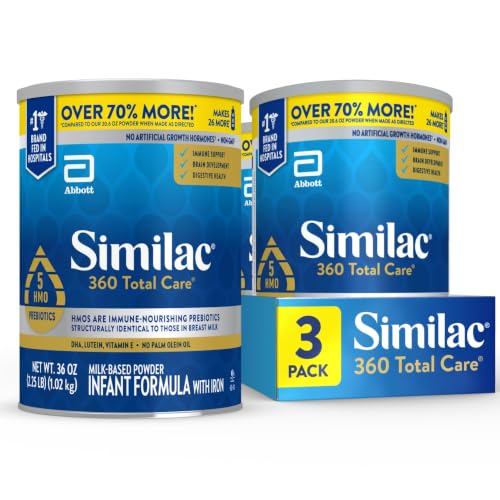
Similac 360 Total Care Baby…
HAS AN EXCLUSIVE BLEND OF 5 PREBIOTICS: Similac 360 Total Care has an added blend of 5 HMO prebiotics structurally identical to 5 of those…
Is Liquid Formula Good?
Yes, liquid formula is a good choice for parents who want fast, simple feeds. Ready-to-feed formula needs no mixing or measuring. I found that useful during late-night feeds, road trips, and rushed mornings. The Similac 360 Total Care Gentle Comfort liquid formula comes ready to pour. That helped me avoid spills and uneven scoops. It also felt gentle during feeds, though every baby can react in a different way.
I used small bottles when I was away from home. I only needed to open one when my baby was hungry. At night, I kept a bottle ready in the refrigerator and followed the label directions. The main trade-off was cost. Liquid formula usually costs more per prepared ounce than powder. It also takes more room in a bag and needs careful storage after opening. Still, for simple feeding, liquid formula was the least stressful option.
What Makes It Stand Out / Key Features
- It is ready to feed and needs no water or scoop.
- It comes in handy bottles for quick serving.
- It uses five HMO prebiotics, according to the product label.
- It is made for simple use at home or while traveling.
- It removes the need to measure powder during each feed.
What I Like
- It saves time during night feeds.
- It lowers the chance of mixing errors.
- It works well when clean water is hard to find.
- The single-use bottles are easy to pack.
- It gives a smooth, even feed without shaking.
- It suits parents who want a simple routine.
What Could Be Better
- It often costs more than powder for the same amount of food.
- The bottles take more space in a diaper bag.
- Once opened, it needs prompt use and proper chilling.
My Recommendation
I recommend liquid formula for travel, night feeds, and parents who value speed. It is widely sold online and in many stores, but powder may offer better long-term value.
| Best For | Why |
|---|---|
| Travel | No water, scoop, or mixing is needed. |
| Night feeds | It pours fast and creates less mess. |
| New formula users | The serving process is easy to follow. |
Is Powder Formula Good?
Yes, powder formula is a strong choice for families who want lower cost and easy storage. Similac 360 Total Care powder gave me more prepared feeds from one large container. I used it most often at home, where I had clean water, a bottle, and time to measure. It took a few extra steps, but the process soon felt simple. I liked that I could prepare only the amount I needed.
On one busy week, the powder can lasted far longer than a pack of ready-to-feed bottles. That helped our budget. I also found the can easier to store in a kitchen cabinet. The main challenge was preparation. I had to wash my hands, use safe water, measure each scoop, and follow the label closely. Powder also needs more care when you travel. For home use and regular feeds, though, powder formula offered the best balance of price and supply.
What Makes It Stand Out / Key Features
- It comes as a dry powder in a large value-size can.
- It uses five HMO prebiotics, based on the product label.
- It lets parents prepare the amount needed for each feed.
- It stores well in a cool, dry cupboard.
- It can lower the cost per prepared ounce.
What I Like
- It offers better value for regular home use.
- The can lasts through many feeds.
- It takes less storage space than many liquid bottles.
- I can prepare a small or large bottle as needed.
- The scoop makes repeat feeds easy after practice.
- It works well with a steady feeding routine.
What Could Be Better
- It needs clean water and careful measuring.
- Mixing takes more time than pouring ready-to-feed formula.
- It is less convenient when you are away from home.
My Recommendation
I recommend powder formula for families who feed often at home and want to control costs. It offers strong value, but safe preparation and exact label directions matter.
| Best For | Why |
|---|---|
| Daily home feeds | A large can can supply many bottles. |
| Budget-minded families | It often costs less per prepared ounce. |
| Flexible serving sizes | You can mix the amount your baby needs. |
liquid formula vs powder: Side-by-Side Test
I used both options in normal home and travel settings. This direct liquid formula vs powder test looks at the details that affect daily feeding, not just the package.
Preparation: Which One Takes Less Work?
Both products need care, but one skips the mixing step.
| Task | Liquid Formula | Powder Formula |
|---|---|---|
| Measure powder | Not needed | Needed for each bottle |
| Add water | Not needed | Needed as directed |
| Shake or mix | Not needed | Needed before feeding |
| Ready to serve | Yes, after opening | No |
Rating: Liquid formula – 10/10 | Powder – 7/10
Liquid formula has the edge because it removes measuring and mixing.
Speed: Which One Is Faster?
Speed matters when a baby is hungry or you are short on sleep.
| Situation | Liquid Formula | Powder Formula |
|---|---|---|
| Late-night feed | Open and pour | Measure, add water, and mix |
| Unexpected feed | Very quick | Needs a clean setup |
| Several bottles | Fast but bulky | Slower but easy to batch prep |
| Travel stop | Simple | Needs water and supplies |
Rating: Liquid formula – 10/10 | Powder – 7/10
Liquid formula wins for speed, while powder can save time when you prepare bottles in advance.
Travel: Which One Packs Better?
I noticed a clear difference when I packed bottles for a long day away from home.
| Travel Need | Liquid Formula | Powder Formula |
|---|---|---|
| Need for water | No mixing water needed | Safe water is needed |
| Items to pack | Bottles and a cooler if needed | Powder, bottles, water, and scoop |
| Use in a car | Easy | Harder to prepare neatly |
| Bag space | Bottles take more room | Powder takes less room |
Rating: Liquid formula – 9/10 | Powder – 7/10
Liquid formula has the edge for simple travel, even though powder is lighter and more compact.
Storage: Which One Is Easier to Keep?
Storage needs change after you open the package or bottle.
| Storage Point | Liquid Formula | Powder Formula |
|---|---|---|
| Unopened storage | Follow the package directions | Store in a cool, dry place |
| Opened product | Needs prompt use and chilling as directed | Close the can and keep it dry |
| Risk of spills | Higher with bottles | Lower when the lid stays closed |
| Long-term cupboard use | Less convenient | Very convenient |
Rating: Liquid formula – 7/10 | Powder – 9/10
Powder formula wins for cupboard storage, while liquid formula needs more space and closer timing.
Cost: Which One Gives Better Value?
Price can make a large difference when formula is part of every day.
| Cost Factor | Liquid Formula | Powder Formula |
|---|---|---|
| Price per feed | Often higher | Often lower |
| Large-size value | Less common | Common in large cans |
| Waste from mistakes | Low mixing waste | Possible if measured poorly |
| Best for regular use | Convenient but costly | Usually more affordable |
Rating: Liquid formula – 7/10 | Powder – 9/10
Powder formula has the clear value edge for families who use it every day.
Daily Ease: Which One Feels Simpler?
Ease depends on whether you value fewer steps or lower cost.
| Daily Task | Liquid Formula | Powder Formula |
|---|---|---|
| Starting a feed | Open and serve | Set up and mix |
| Cleaning tools | Fewer mixing tools | Scoop and bottle need cleaning |
| Portion control | Simple with bottle sizes | Flexible with measured scoops |
| Routine at home | Very easy | Easy after practice |
Rating: Liquid formula – 9/10 | Powder – 8/10
Liquid formula feels easier at first, but powder becomes simple once your routine is steady.
Final Verdict: Which Should You Buy?
Liquid formula is best when speed, travel, and easy feeds matter most. It needs no mixing and creates less work. Powder formula is better for regular home use, storage, and lower cost.
In this liquid formula vs powder comparison, I would choose liquid for busy trips and powder for most daily feeds. Always follow the label, use safe preparation steps, and ask your child’s health professional before changing formula.
FAQs Of liquid formula vs powder
What is the main difference between liquid formula and powder?
Liquid formula comes ready to serve. Powder formula must be measured and mixed with water. Liquid is faster, while powder often costs less.
Is liquid formula safer than powder?
Both can be used safely when you follow the label. Liquid formula skips mixing errors. Powder needs clean hands, safe water, exact measurements, and careful storage.
Which costs less, liquid formula or powder?
Powder usually costs less per prepared ounce. The exact price depends on the brand, package size, and store.
Which is better for travel?
Liquid formula is often easier for travel because it needs no mixing water. Powder can pack lightly, but you must bring safe water and a clean way to prepare it.
Can I switch between liquid formula and powder?
Many families use both, but you should follow the product directions. Ask your pediatrician before switching if your baby has feeding problems, allergies, or special medical needs.