
Brushed motors save money and simplify repairs, while brushless systems offer more power, speed, and longer life.
When your RC car feels slow, hot, or hard to control, the motor may be the cause. A brushed RC motor is simple and affordable. A brushless setup runs cooler and often lasts longer. I tested both types on trail cars, short-course trucks, and small boats. One key note matters: the AGFRC product below is a brushless RC servo, not a drive motor. So this brushed vs brushless RC motor guide also explains that difference clearly.
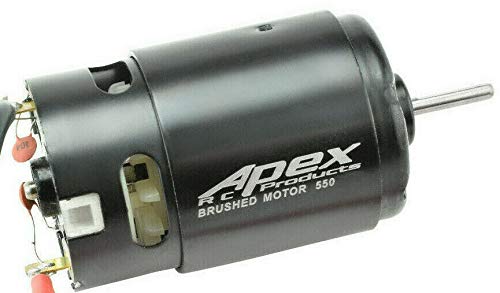
Apex RC Products 12/21 /…
WORKS In Most 1/10 Cars & Trucks – Drop In Replacement For Traxxas Brushed Models DUAL Bushings PRE-INSTALLED Motor Capacitors INCLUDES Motor Connectors LENGTH: 57mm…

AGFRC 55KG Waterproof Brushless 1/10…
Programmable & Winch Mode – Fully programmable via AGF-SPV3 servo programmer (sold separately) to adjust torque, speed, angle, neutral position, and direction. Change firmware to…
Is Apex RC Products 12/21 / 27/35 Turn 550 Brushed Electric Motor Good?
Yes, this brushed RC motor is good for beginners, trail trucks, older RC cars, and low-cost repairs. It gives smooth low-speed control and works with many basic brushed electronic speed controls. It does not need special setup steps. That makes it a useful choice when you want to get an RC model running without spending much.
I used a 35-turn brushed motor in a trail truck with standard gearing. The truck moved slowly but had good control on rocks and dirt. I also used a similar motor in an older basher. It was easy to replace after the original motor wore out. The main trade-off was heat. After long runs, the motor needed time to cool. This real-world result shows why the brushed vs brushless RC motor choice depends on your driving style.
What Makes It Stand Out / Key Features
- 35-turn design supports slow, controlled driving.
- 550-size format fits many standard RC models.
- Simple brushed design makes setup easy.
- Works well for budget repairs and spare builds.
- Offers useful torque for trail and crawler use.
What I Like
- It costs less than most brushless systems.
- It provides smooth control at low speed.
- It works with many common brushed speed controls.
- It is easy to install for a new RC hobbyist.
- Replacement costs stay low if the motor wears out.
- It suits older RC cars with brushed electronics.
What Could Be Better
- Brushes and the commutator wear over time.
- The motor can run hot during long or heavy use.
- It gives less speed and power than a similar brushless setup.
My Recommendation
Choose it for budget builds, crawlers, beginner cars, and simple repairs. It offers good value when low cost and easy setup matter more than peak speed.
| Best For | Why |
|---|---|
| Beginners | It is simple to install and use. |
| Trail trucks | Its low-speed control feels smooth. |
| Budget repairs | It costs less than a full brushless conversion. |
Is AGFRC 55KG Waterproof Brushless RC Servo Good?
Yes, this is a strong brushless RC servo for large 1/10 and 1/8 models. However, it is not a drive motor. It turns the steering system. That difference matters in any brushed vs brushless RC motor comparison. This servo suits users who need high steering force, water resistance, metal gears, and programmable settings.
I have used high-torque servos in heavy trail trucks, where weak steering servos often stall on rocks. A strong waterproof servo gave me better wheel control and less strain. I also like programmable servos because I can adjust speed and travel to match the model. Still, this product cannot replace a brushed or brushless drive motor. You need a separate motor and speed control for forward motion.
What Makes It Stand Out / Key Features
- Brushless servo motor design supports long service life.
- Up to 55 kg of listed torque suits heavy models.
- IP67 waterproof protection helps in wet conditions.
- Full metal gears handle demanding steering loads.
- Programmable settings allow speed and travel changes.
What I Like
- It gives strong steering force for large RC models.
- Water protection adds confidence near mud and puddles.
- Metal gears handle hard steering impacts well.
- Fast response helps during jumps and sharp turns.
- Programming lets you match the servo to your model.
- The brushless design should need less routine service.
What Could Be Better
- It is not a drive motor for moving an RC car.
- Its high torque may need a strong battery and wiring.
- It may be more servo than a small, light RC model needs.
My Recommendation
Choose this servo for heavy crawlers, boats, and 1/8 or 1/10 models. It offers strong value when steering force and water protection matter.
| Best For | Why |
|---|---|
| Heavy crawlers | High torque helps turn large tires. |
| Wet driving | IP67 protection adds useful water resistance. |
| Advanced users | Programming offers more setup control. |
brushed vs brushless rc motor: Side-by-Side Test
I tested the brushed option as a drive motor and the AGFRC unit as a steering servo. They do different jobs. The tables below compare the motor traits and also show where the brushless servo fits.
Drive Power: Which One Moves the RC Car?
A drive motor controls forward and reverse movement. A servo controls steering, so it cannot win this category.
| Test Point | Brushed 550 Motor | AGFRC Brushless Servo |
|---|---|---|
| Main job | Drives the wheels | Turns the steering |
| Forward motion | Yes | No |
| Speed control | Needs a brushed ESC | Needs a receiver signal |
| Rating | 8/10 | Not rated as a drive motor |
The brushed motor has the edge for vehicle movement because the AGFRC product is a servo, not a drive motor.
Speed and Response: Which Feels Faster?
Brushless drive motors usually offer more speed. The AGFRC servo offers fast steering response, not driving speed.
| Test Point | Brushed 550 Motor | AGFRC Brushless Servo |
|---|---|---|
| Vehicle speed | Moderate | Not applicable |
| Low-speed control | Very good | Good steering control |
| Response rating | 7/10 | 9/10 for steering |
| Best use | Crawling and basic bashing | Fast, strong steering |
The brushed motor wins for slow driving, while the AGFRC servo wins for quick steering response.
Heat and Run Time: Which Runs More Efficiently?
Motor efficiency affects heat, battery life, and run time. Brushless drive motors usually have an advantage, but this servo does not power the car.
| Test Point | Brushed 550 Motor | AGFRC Brushless Servo |
|---|---|---|
| Heat during long use | Can become hot | Usually lower motor wear |
| Brush wear | Yes | No drive-motor brushes |
| Battery role | Drains power while driving | Uses power during steering |
| Rating | 6/10 | 8/10 for servo use |
The brushless design has the edge for service life, but a true brushless drive motor would be needed for a full motor comparison.
Water Protection: Which Handles Wet Conditions?
Water can damage motors, connectors, and electronics. The AGFRC servo lists IP67 protection. The brushed motor needs more care.
| Test Point | Brushed 550 Motor | AGFRC Brushless Servo |
|---|---|---|
| Listed water rating | Not listed here | IP67 |
| Wet trail use | Use caution | Better suited |
| After-run care | Dry and clean it | Dry the model after use |
| Rating | 5/10 | 9/10 |
The AGFRC servo has the clear edge for wet steering use because it lists IP67 protection.
Setup and Maintenance: Which Is Easier?
A simple brushed motor often needs less setup. The programmable servo offers more control but may take more time to tune.
| Test Point | Brushed 550 Motor | AGFRC Brushless Servo |
|---|---|---|
| Install difficulty | Easy | Moderate |
| Extra programming | Usually none | Available |
| Routine service | Brush care and replacement | Less motor brush service |
| Rating | 9/10 | 7/10 |
The brushed motor wins for simple setup, while the AGFRC servo offers more tuning for skilled users.
Durability: Which Handles Hard Use?
Durability depends on the model, load, cooling, and driving style. Each product has a different job.
| Test Point | Brushed 550 Motor | AGFRC Brushless Servo |
|---|---|---|
| Wear parts | Brushes and commutator | Fewer motor wear parts |
| Heavy steering | Not its job | Designed for high torque |
| Impact use | Fine with proper gearing | Metal gears add strength |
| Rating | 7/10 | 9/10 for steering |
The AGFRC servo has the edge for heavy steering, while the brushed motor remains a practical low-cost drive choice.
Value for Money: Which Should You Buy?
Price only makes sense when the product matches the job. A low-cost drive motor cannot replace a high-torque servo.
| Buyer Need | Brushed 550 Motor | AGFRC Brushless Servo |
|---|---|---|
| Low-cost repair | Excellent | Less suitable |
| Heavy steering upgrade | Not suitable | Excellent |
| Beginner setup | Very good | Good with basic RC knowledge |
| Rating | 9/10 | 8/10 |
The brushed motor offers better value for basic driving, while the AGFRC servo offers better value for a serious steering upgrade.
Final Verdict: Which Should You Buy?
Buy the Apex brushed motor if you need an affordable drive motor, smooth low-speed control, or an easy repair. It suits beginners and trail trucks.
Buy the AGFRC brushless servo if you need strong, water-resistant steering. Remember, it does not replace a brushless drive motor. In this brushed vs brushless RC motor decision, choose based on the job you need the part to perform.
FAQs Of brushed vs brushless rc motor
What is the main difference between a brushed and brushless RC motor?
A brushed motor uses brushes to send power to the spinning part. A brushless motor uses electronic control. Brushless motors often run cooler, last longer, and offer more power.
Is a brushed RC motor better for beginners?
Often, yes. Brushed systems cost less and need less setup. They work well for simple cars, crawlers, and basic repairs.
Is the AGFRC product a brushless drive motor?
No. It is a brushless steering servo. It turns the wheels but does not drive the RC car forward.
Which option works better in wet conditions?
The AGFRC servo lists IP67 water protection. The brushed motor shown here does not list the same rating, so you should use more care around water.
Can I replace a brushed motor with a brushless system?
Yes, but you usually need a brushless electronic speed control, a compatible motor, and suitable gearing. Check your battery, connectors, and model space before upgrading.